The Hidden Hero of Your Roof: Why Underlayment Matters More Than Shingles
When you think about your roof, you probably picture the shingles, those neatly layered pieces that you can see from the street. But there’s more to your roof than meets the eye. Beneath those shingles is the underlayment—a thin yet crucial layer that does a lot of the heavy lifting in protecting your home. Let's dive into why this often-overlooked part of your roof might be more important than the shingles themselves. By the end, you’ll know how the right underlayment can prevent leaks, cut energy costs, and help your roof last longer.
What Is Roof Underlayment?
Definition and Basic Purpose
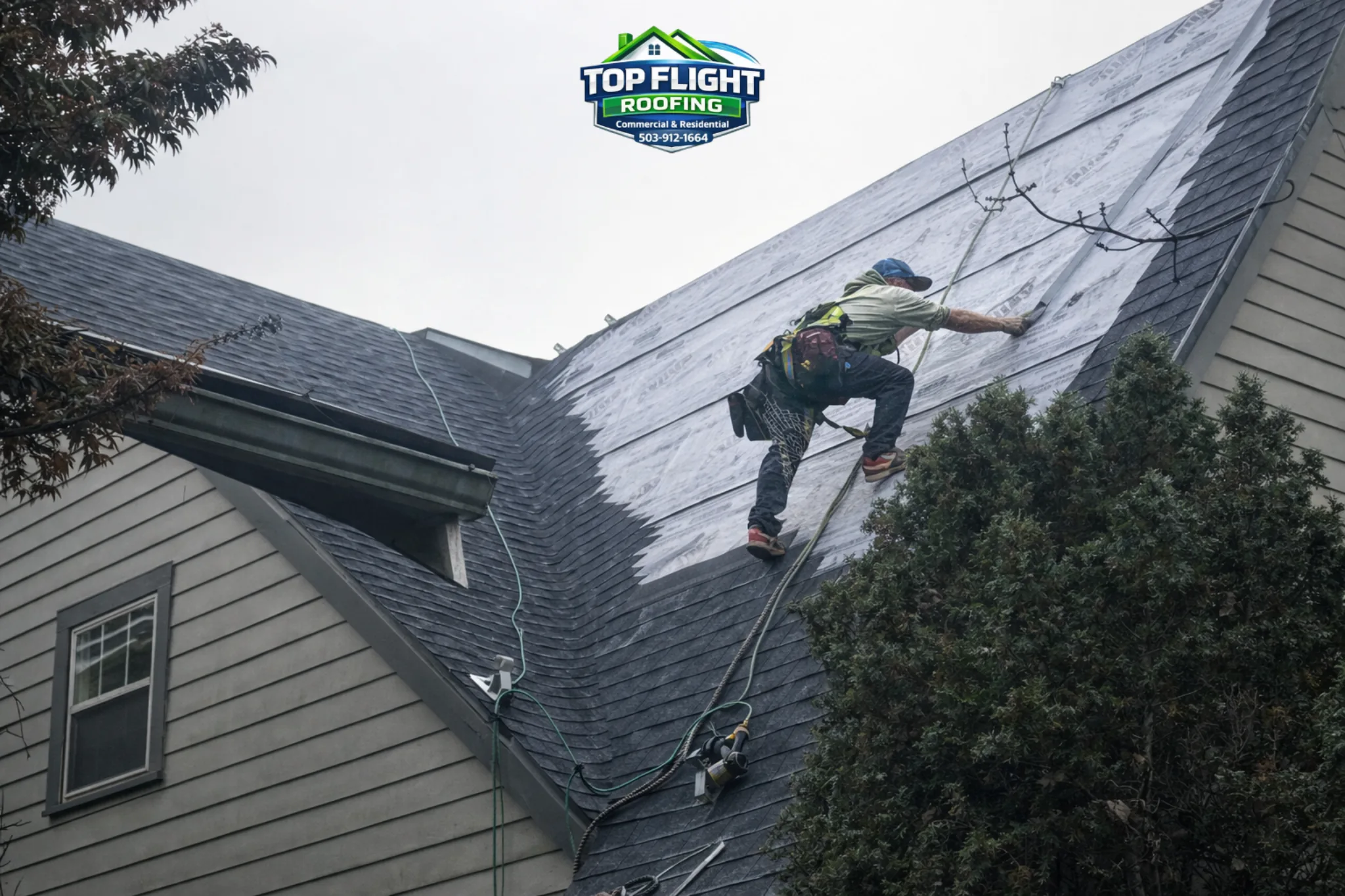
Roof underlayment is the protective layer placed directly on your roof deck before shingles, tiles, or metal roofing. Think of it as your roof’s backup system, offering extra defense against water, wind-driven rain, and other elements that your shingles might not fully block. During severe weather, if shingles get lifted or damaged, the underlayment helps keep water out until repairs are done.
Traditional Materials: Felt and Roofing Paper
For a long time, asphalt-saturated felt, also known as roofing felt or tar paper, was the go-to underlayment. It's cheap and offers a decent moisture barrier when installed correctly. But felt has its downsides—it can tear easily, wear out over time, and retain moisture if left exposed too long. That's why many folks now see felt as just the basic option.
Modern Alternatives and Material Variety
Today, there are all sorts of underlayment materials, from improved felt to high-tech synthetic sheets and self-adhering membranes. Each type has its perks like being tear-resistant, waterproof, breathable, or UV stable. Picking the right one depends on your local climate, roof slope, and how long you plan to stay in your home. Knowing your options helps you pick the best fit for your roof and weather challenges.
How Underlayment Protects Your Home
Primary Moisture Defense
Shingles are made to shed water, but they’re not completely waterproof. That's where underlayment comes in, catching any water that sneaks past the outer layer and directing it safely away. This is crucial around roof penetrations, valleys, and transitions where leaks often start. When installed right, underlayment cuts down on risks like rot, mold, and damage to the roof deck and ceilings.
Ice Dam Prevention and Cold-Climate Benefits
If you live in a colder area, underlayment can help with ice dam issues. When warm air in the attic melts snow on your roof, it can refreeze at the eaves, causing water to back up under the shingles. Self-adhering underlayments and ice-and-water barriers form a waterproof seal to stop this backflow. If you’re in a place with lots of freeze-thaw cycles, go for a membrane rated for ice dam protection.
Wind Resistance and Extreme Weather Protection
High-quality underlayment boosts your roof’s ability to withstand wind-driven rain and wind uplift. Synthetic underlayments are especially good at resisting tears and holding their shape in high winds, which reduces the risk of failure during storms. This extra resilience keeps shingles in place and blocks wind-driven water from getting into your roof system, protecting your home’s interior.
Latest Trends and Innovations in Underlayment
Synthetic Underlayments Take Center Stage
Synthetic underlayments are gaining popularity because they’re light yet durable and tear-resistant. Unlike traditional felt, many synthetic options resist soaking up moisture, stay strong when wet, and last longer. Manufacturers keep making improvements, like better UV resistance and traction for installers. Many contractors now recommend synthetics for long-lasting roof performance.
Self-Adhering Membranes and Ice-and-Water Barriers
Self-adhering membranes have changed how contractors handle tricky spots like eaves and valleys. These sticky membranes bond to the roof deck, creating a waterproof seal even when shingles get lifted. For homes in areas prone to ice dams or heavy rains, these products drastically lower the risk of leaks and damage.
Reflective Underlayments and Energy-Focused Solutions
Reflective or radiant barrier underlayments are getting attention because they can boost attic energy efficiency by bouncing radiant heat away. The U.S. Department of Energy and other experts suggest reflective roofs to cut cooling costs in warm areas, which can save on energy bills and make your home more comfortable. Pairing energy-efficient underlayment with good insulation enhances your home’s thermal performance.
Why Underlayment Is Often More Important Than Shingles
Hidden Protection vs. Visible Aesthetics
Shingles offer the visible protection and curb appeal, but underlayment does the hidden work of keeping your home dry and sound. While you can replace shingles for looks, underlayment failure usually leads to hidden damage like rot and mold, which are costly to fix. Spending on quality underlayment decreases the chance of major leaks that can damage the deck beneath.
Longevity and Lifecycle Economics
The lifespan of underlayment materials affects the overall cost of a roof. Felt might last 10–15 years, while synthetic underlayments can go 20–30 years or more. A longer-lasting underlayment extends the life of your roofing system by preventing moisture-related damage, delaying deck repairs, and protecting insulation and finishes.
Performance During Installation and Temporary Exposure
Roofs can be exposed to the elements during repairs. Synthetic underlayments perform better when temporarily exposed, offering protection while work is in progress. Felt can break down if left exposed too long, increasing the risk of deck damage. Contractors using high-grade underlayments minimize risk during installation.
Choosing the Right Underlayment: Climate, Code, and Cost
Match Material to Climate and Local Risks
Choosing underlayment starts with understanding local climate risks—rain patterns, wind, snow load, and freeze-thaw cycles. In rainy places like Portland, OR, focus on waterproofing and tear resistance. In hot, sunny spots, UV resistance and reflectivity matter. Pick a product that suits your environment to get the most protection.
Building Codes, Manufacturer Requirements, and Warranties
Building codes and shingle makers often specify underlayment choices or require ice-and-water barriers in certain areas. Using underlayment that doesn’t meet these rules can void warranties or fail inspections. Work with contractors who know local codes and can suggest compliant options that protect your investment.
Balancing Upfront Cost with Long-Term Savings
Choosing underlayment involves balancing upfront costs and long-term savings. Premium synthetic or self-adhering membranes cost more initially but can save money by preventing leaks, reducing repairs, and extending roof life. Look at lifecycle costs, not just the initial price, and see how different underlayments affect long-term maintenance and replacement timelines.
Installation Best Practices and Contractor Considerations
Proper Installation Techniques Matter
Even the best underlayment fails if not installed properly. Correct overlapping, nailing, or adhesive use, and attention to flashings and penetrations are key. Underlayment should be installed with recommended fasteners and overlap distances to keep its waterproofing properties. Skilled installers focus on valleys, chimneys, vents, and roof edges where leaks often start.
Inspection, Ventilation, and Attic Considerations
Underlayment works with ventilation and insulation to protect your roof. Good attic ventilation prevents moisture buildup and reduces ice dam risks. Inspectors and contractors should check attic airflow, insulation levels, and roof deck condition before picking underlayment. Addressing these issues together ensures a long-lasting roof system.
Hiring Reputable Contractors and Service Options
Picking an experienced contractor is crucial. Ask for references, proof of insurance, and past work examples. For professional roofing installation and repair, choose local companies with good reputations and clear warranties. Top Flight Roofing LLC, with 30 years in the Portland area, offers detailed installations focusing on underlayment quality and correct practices.
Real-World Examples, Case Studies, and Data
Portland Example: Upgrading to Synthetic Underlayment
In Portland’s rainy climate, homeowners who switched to synthetic underlayment reported fewer leaks and longer-lasting roofs. Case studies from the area show less water intrusion and fewer deck repairs when synthetic membranes replaced felt. These results match industry views that modern underlayments handle wet conditions better than older materials.
Ice Dam Reduction Using Self-Adhering Membranes
Areas prone to ice dams have seen fewer leaks after using self-adhering ice-and-water barriers at eaves and valleys. These membranes create a sealed defense against meltwater seeping under shingles. Local experts often recommend this where freeze-thaw cycles are common to prevent costly damage.
Market Trends and Industry Data
The global roofing underlayment market is growing as older homes and extreme weather boost demand for tough roofing systems. Reports show more use of synthetic and self-adhering products, with ongoing innovations in durability and sustainability. Staying updated with these trends helps contractors meet performance expectations and regulations.
Common Questions and Troubleshooting Guide (FAQ)
Is Underlayment Really Necessary?
Yes, underlayment is a crucial part of a properly installed roof. It adds a second barrier against leaks, protects the deck during installation, and helps prevent ice dam and wind-driven rain damage. Skipping it or using poor-quality products increases the risk of interior damage and shortens the roof's life.
How Long Does Underlayment Last?
Lifespan varies by material. Felt typically lasts 10–15 years, while synthetic underlayment can last 20–30 years or more. Self-adhering membranes in key areas often outlast felt. Regular checks will spot early wear signs before big problems arise.
What Should I Do if I Suspect Underlayment Failure?
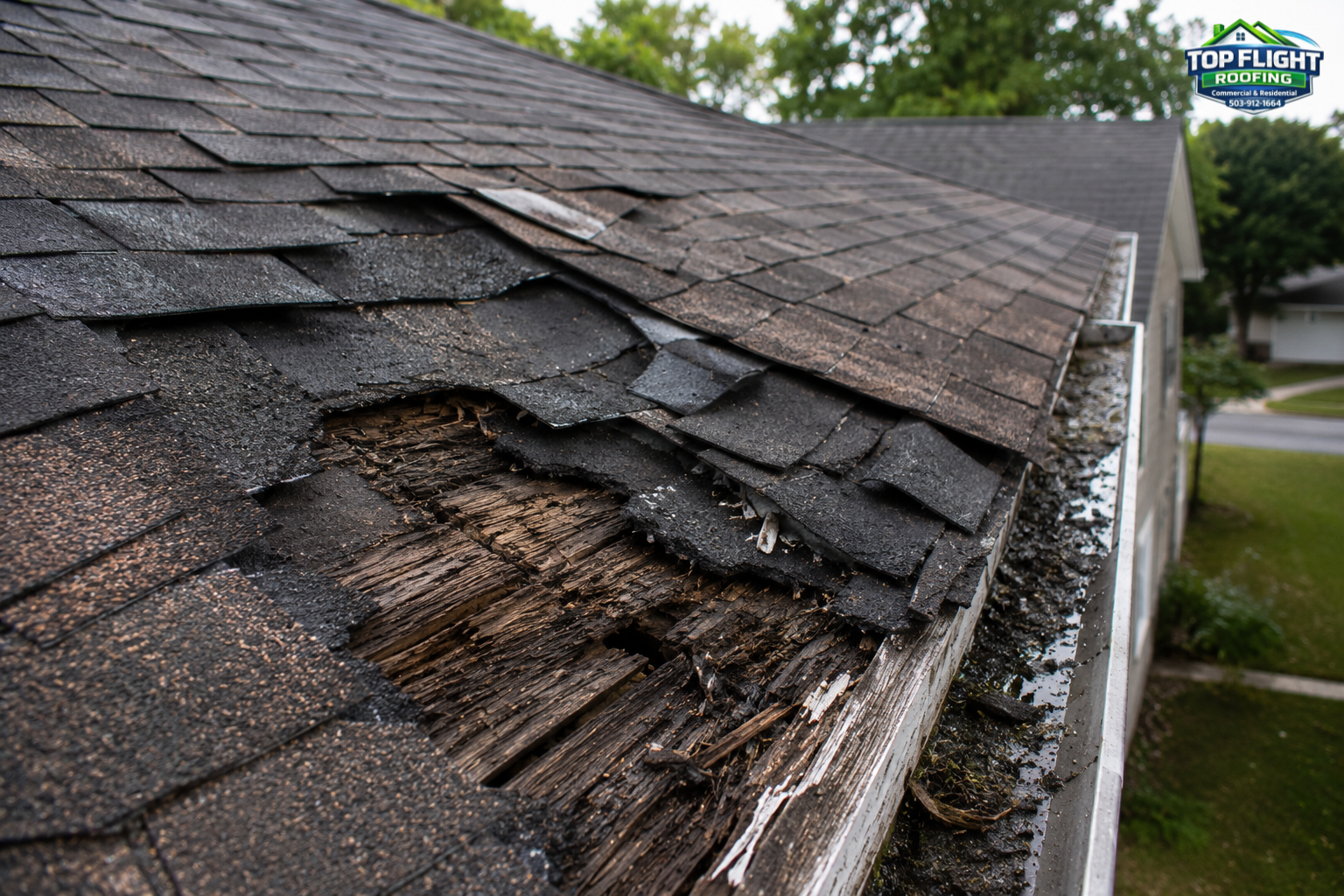
If you see water stains, mold, or sagging ceilings, call a roofing contractor for an inspection. Early action can stop small leaks from causing major damage. Review reports to decide on repairs, underlayment replacement, or a full roof replacement. For a step-by-step look at reroofing, check out our guide What Really Happens During a Roof Replacement: Step-by-Step Guide.
Practical Next Steps: How Homeowners Should Proceed
Assess Your Current Roof System
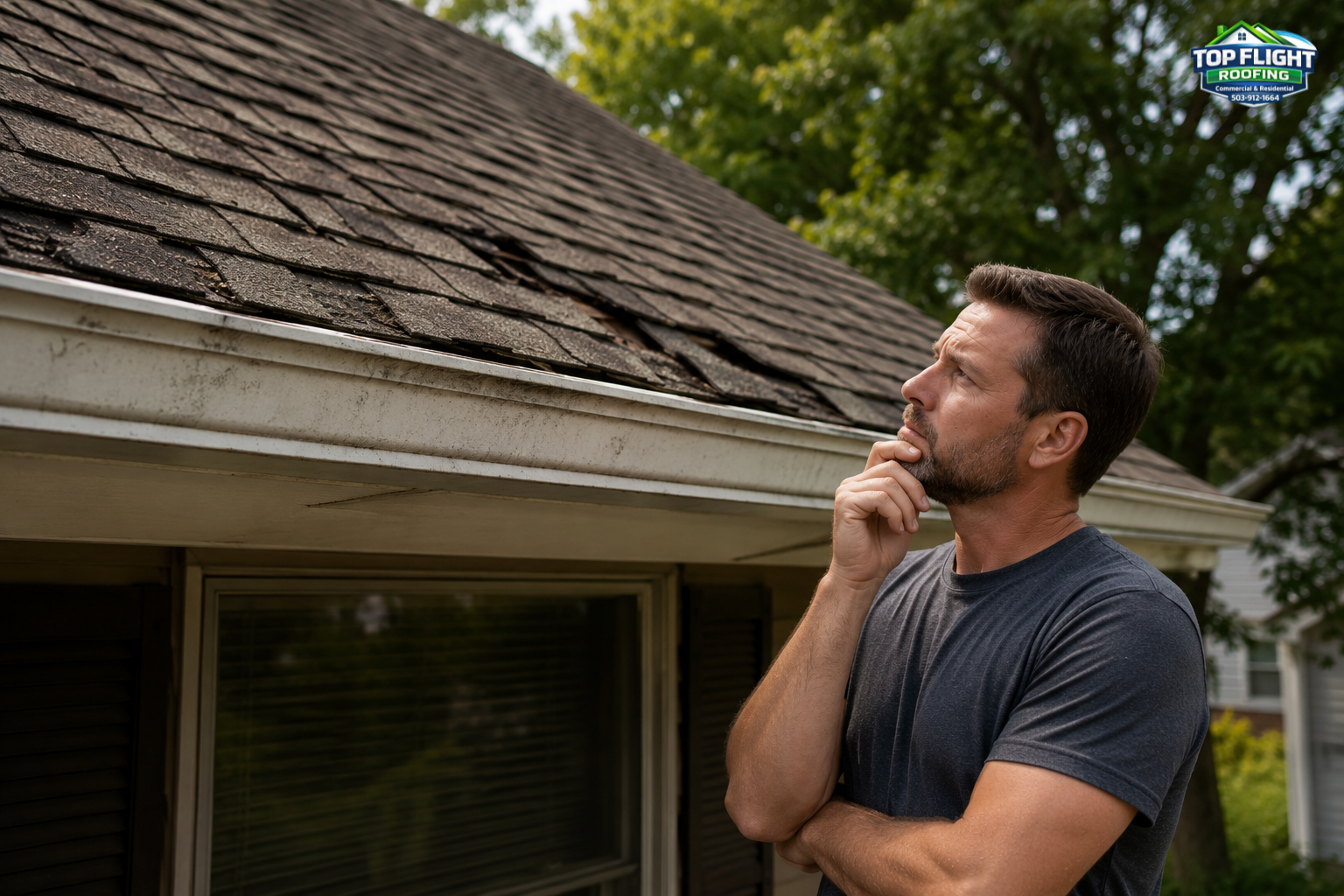
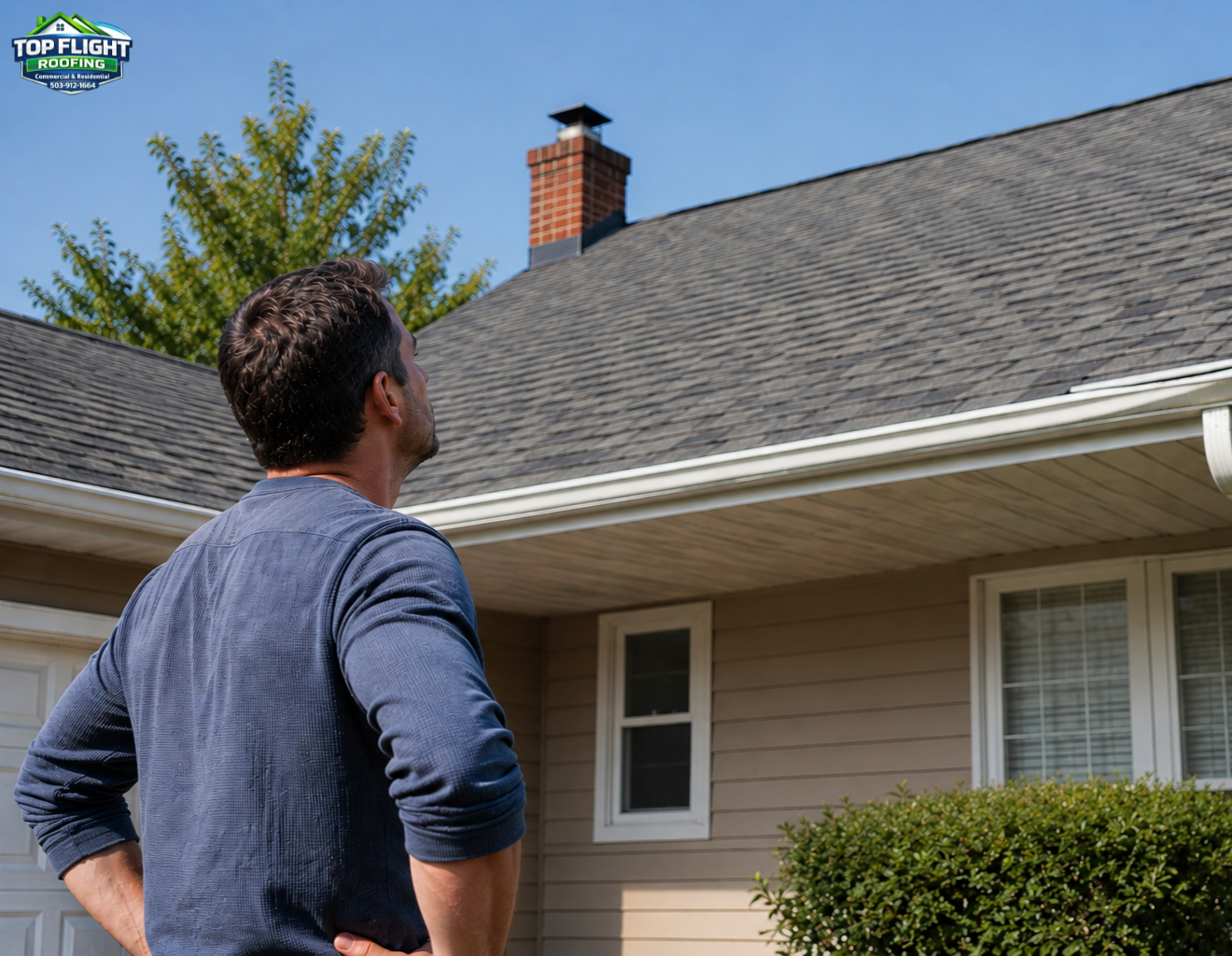
Start with a visual check from the ground and an attic inspection for moisture signs. Look for missing shingles, water stains, and mold or rot in the attic. A professional inspection offers a thorough diagnosis, including the underlayment and roof deck condition, so you can decide on repairs or upgrades.
Request Underlayment Options with Quotes
When getting quotes, ask contractors to specify the underlayment type, brand, and warranty. Compare costs and understand how different options perform in your climate. A reliable contractor will explain their recommendations and how underlayment works with insulation and ventilation to protect your home.
Coordinate with Related Services for Full Protection
Underlayment is part of a system that includes flashing, shingles, gutters, and attic insulation. Coordinate roofing work with services like gutter screening installation and roofing insulation to ensure water is directed away from your home and thermal performance is optimized. Doing the work right the first time reduces callbacks and delivers better value.
Conclusion and Call to Action
Key Takeaways
Underlayment is the unsung hero of your roof. While shingles offer curb appeal and initial defense, underlayment is key for waterproofing, ice-dam protection, wind resistance, and long-term roof performance. Advances in synthetic materials, self-adhering membranes, and reflective products offer more durable, energy-efficient options than old felt products. Choosing the right underlayment and ensuring proper installation are important steps for a long-lasting, low-maintenance roof.
Contact Top Flight Roofing LLC for Expert Assessment
If you're in the Portland area and want a professional roof evaluation, Top Flight Roofing LLC offers thorough inspections and tailored recommendations. Our team has over 30 years of local experience and provides clear quotes listing underlayment and material choices. For expert shingle installation and repair or larger roofing projects, contact us to schedule a free consultation and estimate.
Final Action Steps
Don’t wait until a small leak becomes a big problem. Schedule an inspection, compare underlayment options, and plan necessary improvements for ventilation and gutters. Learn more about related maintenance and prevention in our guide Preparing Your Roof for Portland’s Rainy Season, and reach out to Top Flight Roofing LLC at (503) 912-1664 or info@topflightroofingllc.com to get started. Protect your home by making underlayment a priority—because what’s beneath your shingles matters most.
External resources and further reading: Roofing felt (Wikipedia), U.S. Department of Energy: Roof reflective options, and the National Roofing Contractors Association for industry standards and guidance.