Spotting Roof Damage: A Simple Guide to Save Money on Repairs
Keeping an eye on your roof for damage can save you a lot of money and hassle down the line. Catch issues early, and you can avoid emergency fixes, damage to your home's interior, and insurance headaches. Here, we'll cover what to look for, how often to check your roof, and the latest tools to help you out. Plus, we'll give you some next steps to keep your home safe.
Why It's Smart to Catch Problems Early
How Putting Off Repairs Can Cost You
If you delay fixing your roof, small issues can become big problems. A missing shingle or a tiny leak can lead to structural rot, mold, and damaged insulation if ignored. Industry research shows roof-related damage often leads to significant insured losses, especially during major weather events. These costs can include not just roof replacement, but also interior repairs and even temporary housing if things get really bad.
Keeping Your Home Safe and Healthy
Beyond the dollars, a solid roof keeps your indoor air quality healthy and your home's structure safe. Water leaks can lead to mold and mildew, which might cause respiratory issues and make your home unpleasant. If your roof sags or rots, it could even pose a risk to your home's structural integrity. Staying proactive keeps your family safe and your property value intact.
Insurance and Keeping Good Records
Spotting damage early makes insurance claims smoother. With digital documentation and precise measurement tools, you can provide your insurer with clear evidence for quicker settlements. Getting professional help with this can prevent disputes and speed up your repair timeline.
How Often Should You Check Your Roof?
A Regular Check-Up Schedule
Experts suggest checking your roof at least twice a year: once in the spring and once in the fall. This routine helps you spot damage from winter storms or summer heat, and gets your roof ready for the rainy season or cold months. Regular checks stop small issues from becoming big headaches and help you plan for maintenance costs.
After the Storms
Always take a look at your roof after severe weather, like strong winds, hail, or heavy snow. Storms can knock shingles loose, damage flashing, and cause punctures that aren't easy to see. A quick check after a storm can reveal minor issues that, if fixed quickly, prevent bigger water damage inside your home.
DIY vs. Professional Inspections
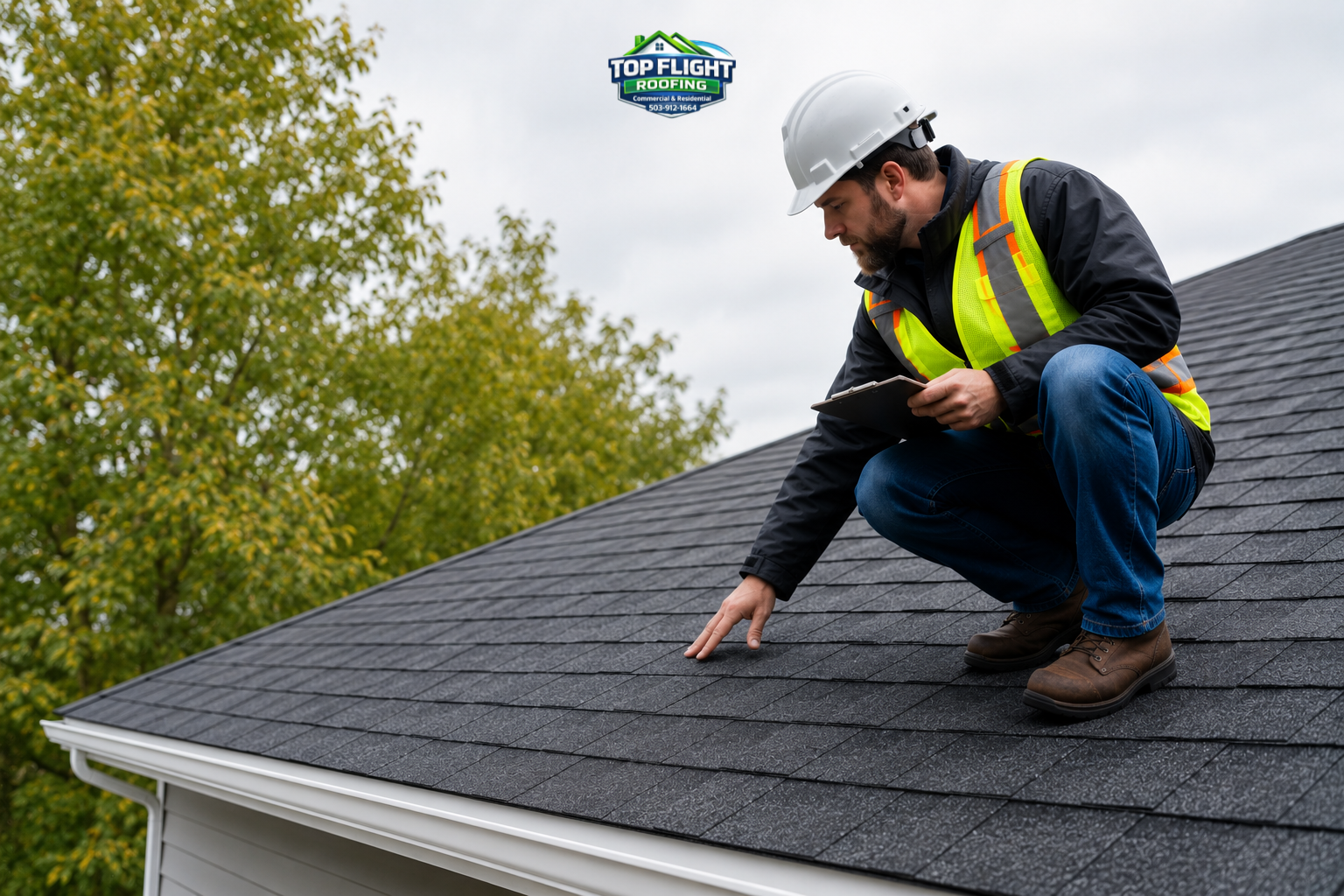
You can do basic checks from the ground or attic, but professionals can offer a more detailed look. Certified roofing pros have the tools and know-how to spot hidden issues, like trapped moisture or damaged flashing. For the most reliable check-up, hiring a pro is your best bet.
If you need a full inspection or repair, consider reaching out for roofing installation and repair services that provide detailed assessments and recommendations.
Signs of Roof Damage You Can See
Shingle Problems and Granule Loss
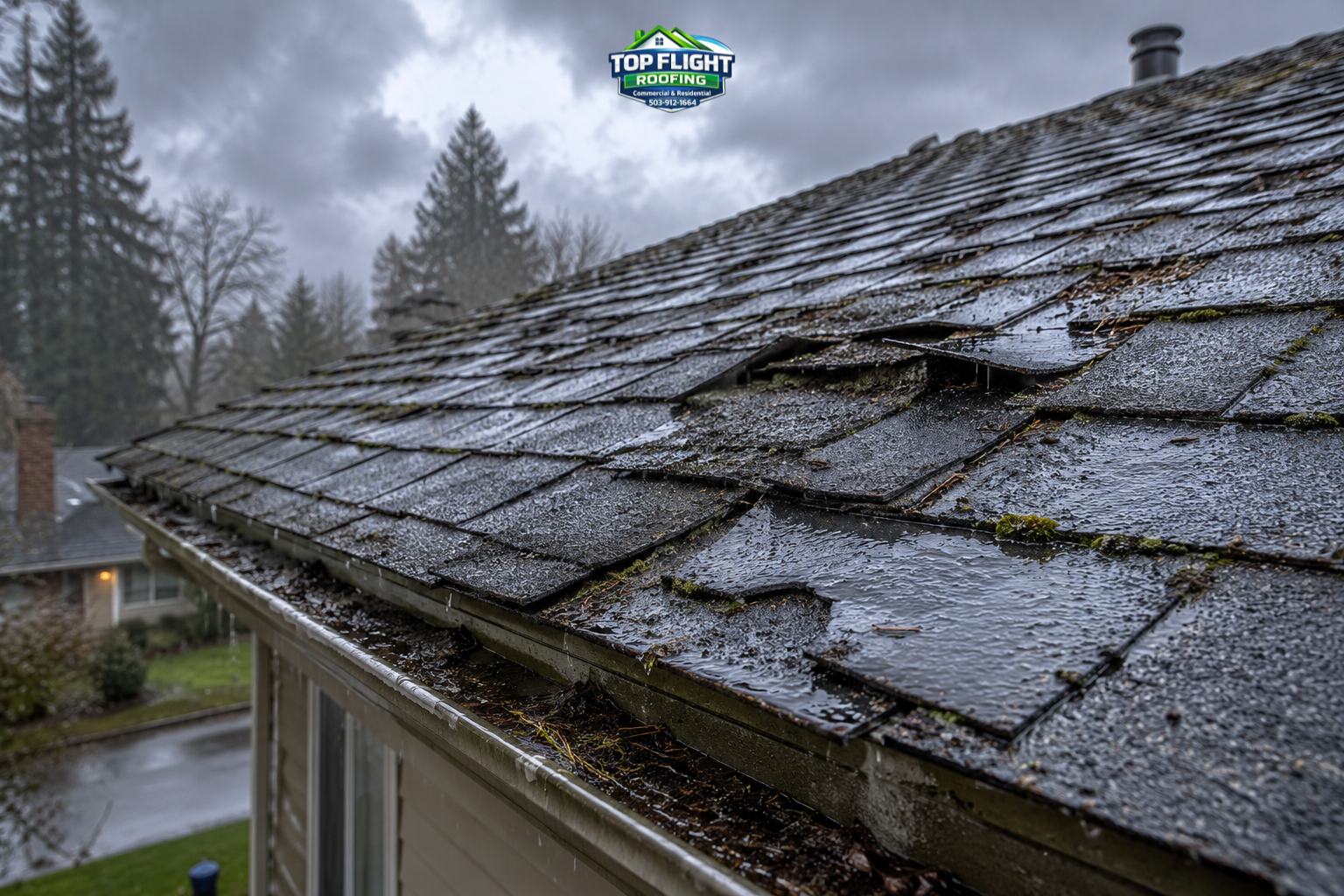
Keep an eye out for missing, cracked, or curled shingles—they're clear signs of roof trouble. Granule loss from asphalt shingles shows up as bald spots or granules in gutters. Over time, this can reduce shingle life and make your roof more vulnerable to damage.
Water Stains and Ceiling Problems
Spots or bubbling paint on your ceilings and walls usually mean leaks. Water can travel before it shows up, so a stain in one room might come from a leak somewhere else on the roof. Check your attic for damp insulation or darkened wood to catch leaks early.
Flashing, Vents, and Chimney Seals
The flashing around chimneys, skylights, and vents is a common weak spot. If it's cracked or missing, water can get in. Look for rusted or loose flashing and gaps in seals. Fixing these issues early can prevent significant interior damage.
Unseen Problems: Tech to the Rescue
Using Infrared for Moisture Detection
Infrared cameras can spot temperature differences that suggest moisture trapped under shingles or in decking. An IR scan can detect problems you can't see with the naked eye. Many contractors use this tech to find leaks early and confirm repairs.
Satellite Imagery and Machine Learning
Machine learning and satellite imagery are increasingly used for large-area assessments. They can flag roofs at risk from wind or hail and predict damage patterns. While they can't replace a physical inspection, they help prioritize which roofs need attention first.
Digital Tools for Documentation
Tools that measure roof dimensions and keep inspection records make claims and estimates more accurate. They speed up the claims process by automating calculations, giving homeowners clear records for faster settlements.
If you're interested in modern techniques, ask whether your contractor offers infrared scans or digital reports as part of their service package.
Your DIY Roof Inspection Checklist
Start From the Ground
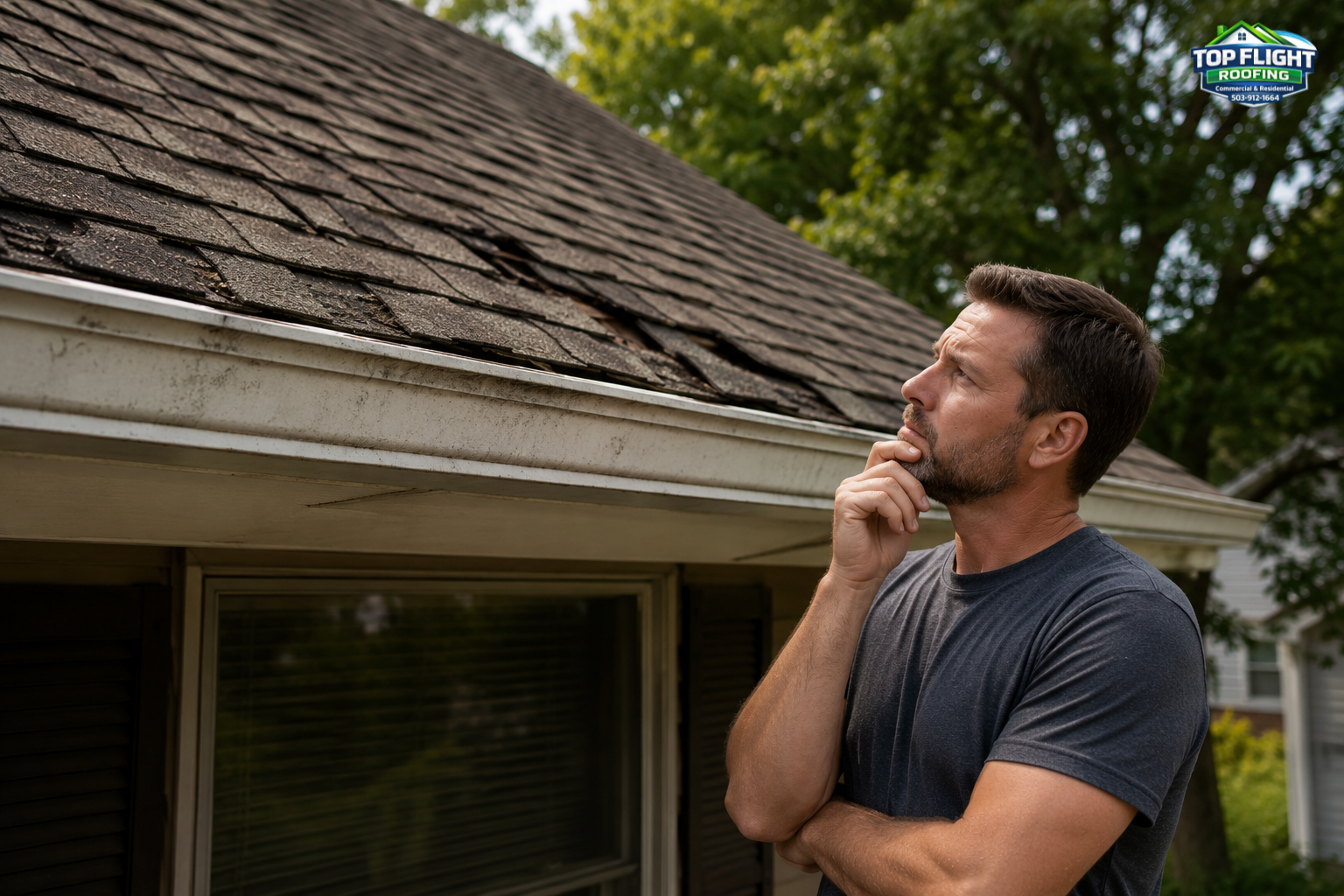
Begin with a ground-level look using binoculars. Check for missing shingles, damaged flashing, or debris. Look in gutters for unexpected granule deposits and check for any sagging areas. This safe step helps you decide if you need a closer look.
Peek Into the Attic
Checking the attic is a great way to spot leaks early. Look for daylight shining through, water stains on rafters, or damp insulation. These inspections can show leaks before they become visible on ceilings.
Check the Edges and Penetrations
Look at chimneys, skylights, vents, and roof edges for seal cracks or loose flashing. These spots often leak because they direct water. Removing debris and resealing flashing can prevent water from getting in.
Handling Common Roof Problems
Fixing Leaks and Water Issues
If you spot a leak, try to stop the water and take pictures. Temporary fixes like tarps or roofing cement can help until a professional can take a look. Knowing where the leak starts—whether it's flashing, shingles, or vents—helps prevent repeat issues.
Tackling Moss and Algae
In rainy spots like Portland, moss and algae can speed up shingle wear by holding moisture. Gentle cleaning and using zinc or copper strips can help without harming the roof. Serious infestations might need professional cleaning or shingle replacement.
Dealing with Hail and Wind Damage
Hail can dent shingles, and wind can lift them. After storms, document any damage for insurance and get a contractor to check it out. Many homes in hail-prone areas have undetected damage, so early checks are key.
Knowing When to Call a Pro
When to Bring in the Experts
If you see water stains inside, lots of missing shingles, a sagging roofline, or a lot of moisture in the attic, it's time for a pro. These signs mean you need more than a quick fix. Pros can diagnose the issue and offer a plan to fix it for good.
What to Expect from a Pro Inspection
A certified inspector will check shingles, flashing, gutters, and more. They might use infrared or drones to see hard-to-reach areas. You'll get a detailed report with recommendations and costs. Good contractors also help with insurance documentation.
Picking the Right Contractor
Choose a contractor with local experience and proper credentials. Look for someone who knows about local weather and building codes. For specific repairs or roof replacements, find companies that offer warranties and clear documentation.
If you're in need of repairs or a full check-up, our team at Top Flight Roofing can help—check out our shingle installation and repair options to keep your roof in top shape.
Real-Life Examples
Quick Action After a Storm
After a big storm, a Portland homeowner noticed a few missing shingles and got an inspection within a week. The contractor found more issues that were quickly fixed, saving the homeowner from bigger problems. This shows how quick action can save money.
Infrared Success Story
Using infrared during an inspection, a duplex owner found hidden moisture under shingles. The contractor fixed the problem before mold set in. This tech turned a hidden issue into a quick, affordable fix.
Smooth Insurance Claims with Digital Tools
After hail hit a neighborhood, a homeowner's contractor provided a digital report with photos. The insurer quickly processed the claim, and repairs happened fast. This shows how modern tools can make life easier.
Tips for Keeping Your Roof in Good Shape
Seasonal To-Do List
Regular maintenance includes cleaning gutters, trimming branches, and checking seals. Doing this in spring and fall keeps your roof in good shape and ready for weather changes. It helps shingles last longer, too.
Upgrades for Longer Roof Life
Investing in quality materials like better underlayment or impact-resistant shingles can pay off. Proper ventilation and insulation also help. Consider these upgrades, especially for older roofs or if you plan to stay put for a while.
Extra Services to Protect Your Roof
Gutter screens and good insulation help keep water away and protect structural parts. Well-maintained gutters direct water away from your home, reducing risks. For less gutter hassle, consider professional gutter screening installation to keep things clear.
Common Questions About Roof Issues
Is a Ceiling Stain a Roof Leak?
Ceiling stains usually mean water is getting in, especially if they get worse after rain. Check the attic for wet spots to find the source. If stains show up with storms, get a pro to check it out before mold or damage gets worse.
Can I Wait to Fix a Winter Leak?
Waiting can lead to more damage and bigger costs. Use a bucket to catch drips and tarp the area if safe, but get a pro in soon. Temporary fixes help but aren't solutions.
How Much Does Roof Repair Cost?
Costs vary, from a few shingles needing replacement to more extensive repairs. Shingle fixes might be a few hundred dollars, while bigger issues can run into thousands. A professional inspection and estimate give you a good idea of costs.
Portland-Specific Roof Tips
Managing Rain and Moisture
Portland's rain can lead to moss and trapped moisture if you skip maintenance. Remove moss, ensure good ventilation, and keep gutters clear to avoid pooling water and damage. Tailored maintenance for Portland's climate helps avoid costly repairs.
Dealing with Wind and Storms
Strong winds can lift shingles and damage flashing. After storms, check for missing or damaged parts. Repairing quickly stops small issues from growing into big failures.
Local Help and Resources
Local contractors know Portland's weather and codes, so they can suggest durable repairs. They also provide timely inspections after storms. If you need local help, our team at Top Flight Roofing has the experience you need.
For regional weather information, check out the National Weather Service for alerts and forecasts to help plan your maintenance schedule.
Final Actions
Prioritize Repairs
Make a list of issues you find during inspections: urgent problems, water intrusion, and upgrades. Fix leaks and structural concerns first, then plan other improvements based on your budget. This approach spreads costs and keeps your home safe.
Keep Inspection Records
Save reports, invoices, and photos in a folder or digital archive. These records help with warranties and insurance claims. Contractors using digital tools make this easy and helpful during claims.
Ready for a Pro Check?
If you've spotted damage or want peace of mind, schedule a professional inspection. Certified roofers offer diagnoses, solutions, and clear pricing. Whether it's a repair or a full replacement, professional advice ensures the job's done right.
Top Flight Roofing provides thorough inspections and reliable service in Portland. Contact us for a free consultation and see how our roofing insulation solutions can improve your home.
More Resources and Reliable Info
Research and Facts
Studies highlight how roof failures can lead to major losses in extreme weather. For data and strategies, check out the Insurance Institute for Business & Home Safety. They offer research-backed tips for roof resilience and insurance talks.
Government Storm Prep Guidance
Government sites offer advice on storm readiness, including roof prep and safety tips. Use these resources to plan inspections and understand local risks. These reliable sources help create a safe response plan.
Useful references include the Insurance Institute for Business & Home Safety for roof resilience and the Cape Analytics for hail risk insights.
Wrapping Up
Spotting roof damage early can save you money and prevent bigger issues. Regular checks, modern tools, and professional help mean you can stay ahead of problems and extend your roof's life. Keep up with seasonal checks, document findings, and fix issues quickly to avoid rising costs.
If you're in Portland and need an inspection or repairs, reach out to Top Flight Roofing. We offer thorough assessments and repair work to keep your home safe year-round. Schedule a free consultation today.
Want to secure your roof? Call Top Flight Roofing at (503) 912-1664 or email info@topflightroofingllc.com to schedule an inspection. Explore our services: roofing installation & repair, shingle repair, gutter protection, and roofing insulation for a secure and efficient home.