Easy Guide to Choosing Roof Colors for a Cozy Home in Portland
Picking a roof color isn't just about style; it can also impact how much heat your home absorbs, how comfy your rooms are, and how hard your HVAC system has to work. The right color choice can boost energy efficiency, make your home more comfortable year-round, and even help your roof last longer when paired with the right materials and care. If you're thinking beyond just curb appeal, give the roof of color some attention, especially when planning a new installation or replacement with roofing installation or upgrading parts through shingle installation and repair.
This guide breaks down how roof color affects heat absorption, which colors are best for different climates, and how to balance looks with performance. You'll see why roofing choices should consider more than just color, including roof material, attic insulation, ventilation, and local weather patterns. If you're looking into a bigger upgrade, check out our article on roofing materials in Portland to get the full picture.
Why Roof Color Matters for Home Comfort
How sunlight affects your roof
When sunlight hits your roof, some energy gets reflected, and some gets absorbed. Darker roof colors usually absorb more solar energy, raising surface temperatures and transferring more heat into your attic and living spaces. Lighter colors tend to reflect more sunlight and can cut down on heat gain. The U.S. Department of Energy mentions that cool roofs are designed to bounce more sunlight off and absorb less heat, helping to keep roof temperatures lower and boost efficiency in warm conditions; check out their overview of cool roofs.
This isn't just theoretical. Roof temperatures can vary dramatically between dark and light materials during peak daylight hours. For homeowners, this can affect attic heat buildup, indoor comfort, and how long your air conditioner needs to run to keep things comfy. That's why roof color is often seen as part of a home's thermal plan, not just its look.
The heat absorption chain reaction
Roof color affects more than just the top layer. Once heat is absorbed by the roof surface, it can travel downward into the roofing assembly, attic, insulation, and ceiling. If your attic is poorly ventilated or under-insulated, the heat transfer becomes even more noticeable indoors, creating warm upstairs rooms, uneven temperatures, and higher cooling needs during sunny periods.
For this reason, homeowners often see the best results when roof color is paired with complete system improvements like roofing insulation and attic ventilation planning. The color may start the process, but insulation and airflow determine how much of that heat actually reaches the living space. A smart roof color can help, but it works best when the rest of the system supports it.
Latest Trends in Energy-Efficient Roofing Colors
Lighter roofs are trending.
Recently, folks have shown more interest in energy-efficient roofing, with lighter-colored roofs becoming popular. White, pale gray, beige, and other reflective shades are increasingly used because they can reduce heat absorption and support lower cooling loads. This trend matches up with broader sustainable building practices and the desire for homes that stay comfy without relying heavily on air conditioning.
The rise of lighter roofing is also thanks to modern materials that make it easier to achieve both performance and style. Today’s light-colored roofing options are available in metal, shingles, and coated systems that look polished instead of just practical. Homeowners no longer have to choose between a stylish roof and a practical one.
Sustainable building and cool roof options
Cool roofing has become a normal part of sustainable construction because it helps cut energy use and can lessen the urban heat island effect. For more on how reflective surfaces affect building performance, the Lawrence Berkeley National Laboratory has research on cool roofs and surface technologies. These findings back what many roofing professionals see: when roofs reflect more sunlight, homes stay cooler during hot weather.
Homeowners also like that these choices can support long-term goals. Energy-conscious upgrades often pair roof replacement with better drainage, updated flashing, improved underlayment, and more durable exterior materials. If you're considering a larger exterior update, look at siding installation and repair since roof and wall systems work together to control temperature and protect the structure.
Best Roof Colors for Different Climates
Warm climates: lighter is better
In warmer places, lighter roofs are generally recommended because they reflect more sunlight and reduce heat buildup. This can lower attic temperatures and make a home feel cooler during the day, reducing strain on air conditioning systems and creating more stable indoor comfort, especially in homes with lots of roof exposure.
While color is important, it should be matched with the right roofing material and installation quality. A reflective roof with poor underlayment or weak ventilation may still underperform. That's why a complete roof assessment is often more valuable than focusing on color alone, especially when planning a replacement or major upgrade through roofing installation.
Cooler climates: darker roofs can help
In colder areas, darker roofs can be beneficial because they absorb more heat from the sun, which may help reduce winter heating demands. This can be a smart strategy when the climate spends more time below comfortable indoor temperatures than above them. Homeowners in those regions often value thermal gain as part of their energy plan.
But the benefits of darker colors aren't universal. A very dark roof in a mixed climate may create too much heat gain in summer, especially on south- or west-facing slopes. That's why experts recommend making roof color decisions based on local weather patterns, roof pitch, home orientation, and insulation levels rather than relying on a one-size-fits-all rule.
Mixed climates: balance is key
In places with mild summers and cool, wet winters, homeowners often need a balanced approach. Portland is a good example because the local climate includes rainy seasons, moderate summer heat, and moisture that can encourage algae or moss growth on some roof surfaces. Oregon State University Extension offers guidance on managing moisture and building durability in wet climates; you can explore OSU Extension resources.
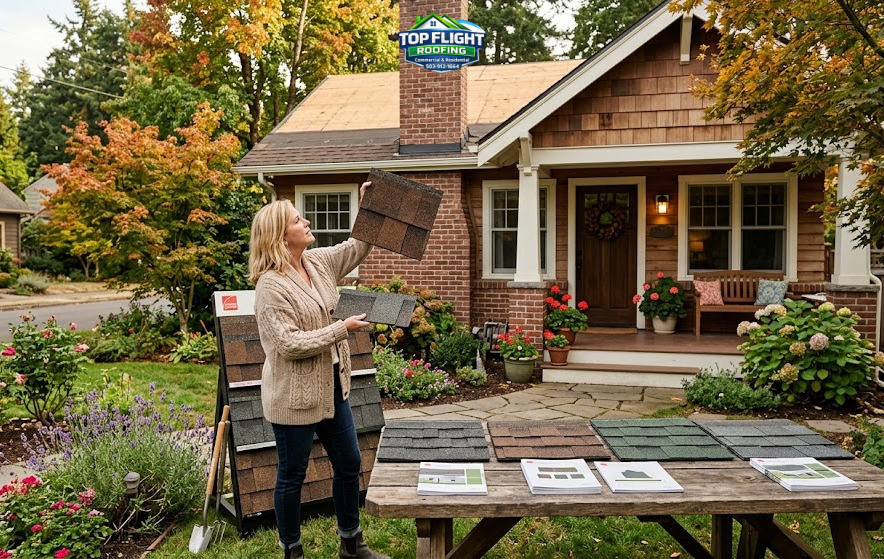
In a mixed climate, a medium-tone roof or reflective material in a neutral color can be a strong compromise. It can reduce unwanted summer heat gain while still fitting the home's visual character. This is also where an experienced contractor can help homeowners compare aesthetics, durability, and maintenance requirements before choosing the final product.
What Research Says About Roof Color and Temperature
Temperature differences can be big.
Studies and field reports consistently show that roof color affects surface temperature and indoor comfort. Research cited in industry sources suggests light-colored roofs can lower midday interior surface temperatures by up to 28°C compared with darker roofs, potentially reducing cooling costs during hot periods. Even when the exact numbers vary based on location and roof system, the pattern remains the same: reflective roofs tend to stay cooler.
These temperature differences matter because attic spaces can act like heat reservoirs. When roofing materials absorb less heat, less thermal energy enters the attic, which can reduce ceiling heat gain and improve comfort on upper floors. If you're noticing hot bedrooms or uneven room temperatures, roof color can be a meaningful part of the solution.
Energy bills and HVAC performance
A roof that absorbs less heat may help reduce cooling demand, especially during the hottest part of the day. While roof color alone won't transform an inefficient home into a high-performance one, it can make a noticeable difference when combined with insulation, air sealing, and proper ventilation. Those improvements work together to reduce the workload on your HVAC system.
If you're concerned about energy efficiency, it makes sense to evaluate the roof as part of a broader performance plan. That may include regular roof inspections, attic checks, and maintenance that prevents small issues from becoming costly repairs. If you want to understand how heat movement affects comfort, you may also find our article on how quality roofing safeguards your home year-round helpful.
Roof Color, Moisture, and Portland's Climate
Why wet weather changes the conversation
In climates with lots of moisture, roof color isn't the only factor that matters. Persistent rain, shade, and damp conditions can encourage moss, algae, and debris buildup, which may affect roof appearance and performance. Portland, for example, averages around 36 inches of rain and more than 150 wet days each year, which makes moisture management a constant concern for homeowners.
That's why some roofing decisions should balance thermal performance with moisture resistance and ease of maintenance. A lighter roof might improve summer comfort, but the material still needs to handle wet weather well. Pairing the right color with suitable roofing materials, drainage details, and maintenance habits creates a much stronger long-term result than color alone.
Moss and algae considerations
Some darker or more shaded roofs can hide moss growth early on, allowing it to spread before homeowners notice the problem. Moss can trap moisture, lift shingles, and accelerate wear over time. Algae staining can also affect curb appeal and signal that the roof is holding onto moisture more than it should.
If your home often deals with moisture, gutter performance matters too. Well-maintained drainage helps prevent water from lingering near roof edges and valleys, and that can reduce conditions that support organic growth. Homeowners often benefit from gutter screening installation because it keeps debris out of the drainage system and helps water move away from the roof more efficiently.
Choosing the Right Roof Color for Your Home
Start with climate and orientation.
The best roof color usually depends on climate, sunlight exposure, and the home’s orientation. A south-facing roof may receive more direct sun and benefit more from reflectivity, while a shaded property may not experience the same heat load. Homes with complex rooflines may also have different slopes exposed to different sunlight levels, making the decision more nuanced.
Think of roof color as part of a performance equation. Start by asking how hot the home gets in summer, how much heating is needed in winter, and whether the attic is already insulated and ventilated properly. Once those basics are clear, color choices become easier to narrow down.
Match color to material.
Not every roofing material behaves the same way. Metal roofs, reflective shingles, and coated systems can all perform differently even when they appear similar at first glance. A light-colored metal roof may provide excellent reflectivity, while a light-colored shingle may perform well but with different thermal characteristics depending on its design.
Material choice matters for durability, too. In climates with rainfall and temperature swings, a color that looks great on paper still needs to perform under real conditions. If you're evaluating materials along with style, our guide on flat roof vs. pitched roof can help you think through how form and function come together.
Don’t forget aesthetics and neighborhood fit.
Performance is important, but roof color also needs to complement siding, trim, and the home's architectural style. A roof that reflects less heat but clashes with the exterior design may hurt curb appeal and reduce satisfaction over time. The best choices usually strike a balance between energy goals and visual harmony.
Neighborhood character can matter as well. Some communities favor classic, darker tones, while others embrace modern, lighter palettes. Choosing a color that suits both your home and your surroundings helps the project feel intentional, polished, and lasting.
How Roofing Contractors Help Homeowners Choose
Professional evaluation goes beyond color samples.
An experienced roofing contractor does more than show you color charts. A good evaluation includes attic conditions, roof slope, sun exposure, existing insulation, ventilation status, and drainage. This information helps determine whether a light, medium, or darker roof will actually improve comfort and energy performance in your specific home.
For homeowners who want a roof that performs well in the long run, this is where expert guidance pays off. A contractor can explain which materials reflect heat better, which colors hold up well in your climate, and how to protect the roof with details like flashing, underlayment, and ventilation. If you're planning a replacement, our article on how to get ready for your roof replacement is a useful next step.
When to ask for a roof consultation
Consider a roof consultation if your upper floors run hot, your energy bills are rising, or your current roof is nearing the end of its service life. It's also wise to seek advice if you're comparing multiple materials or want to improve the home’s efficiency without changing its overall style too much. A consultation can clarify whether the problem is color, insulation, ventilation, or a combination of all three.
At Top Flight Roofing LLC, our team brings more than 30 years of experience helping Portland homeowners and businesses choose roofing solutions that fit local conditions. That includes guidance on color, material, durability, and moisture resistance. The right advice upfront can save money, reduce stress, and improve the finished result.
Tips for Better Comfort and Energy Efficiency
Combine roof color with insulation upgrades.
If your goal is better comfort, color should be part of a wider energy-efficiency plan. Adding or improving attic insulation can reduce heat transfer dramatically, making the roof color choice more effective. This is especially important in homes where the attic is currently under-insulated or has air leaks around fixtures, vents, and framing openings.
Many homeowners are surprised by how much comfort improves after a combined upgrade. A reflective roof alone may help, but pairing it with roofing insulation often provides a much more noticeable and consistent indoor result. This is one of the best examples of how building science and practical roofing work together.
Plan maintenance around your climate
Even a high-performing roof needs maintenance to stay efficient. Debris, algae, clogged gutters, and damaged shingles can reduce reflectivity and invite moisture issues. Regular inspections help identify these problems early and keep the roof performing the way it should.
For added protection, homeowners should also understand how small issues spread. Our post on how small roof leaks turn into major damage explains why fast action matters. Routine care can preserve both comfort and energy savings while reducing the risk of expensive repairs later.
Frequently Asked Questions About Roof Color and Heat Absorption
Does roof color affect energy bills?
Yes. Lighter roof colors typically reflect more sunlight and absorb less heat, which can lower cooling demand in warm weather. The savings depend on climate, roof material, attic insulation, and overall home design, but the color choice can absolutely influence energy performance. Think of it as one part of a larger efficiency strategy.
Is a dark roof always bad?
No. Dark roofs can be beneficial in cooler climates because they absorb more heat from sunlight. The issue is not that dark roofs are inherently bad; it is that they may be less ideal in warm or mixed climates where excess heat gain becomes a problem. The best choice depends on where you live and what your home needs.
What matters more: color or material?
Both matter. Color influences how much sunlight the roof absorbs, while the material determines durability, reflectivity options, and how well the roof handles local weather. A well-chosen material installed correctly usually delivers better results than choosing color alone. This is why homeowners should evaluate both aesthetics and performance together.
Should I replace my whole roof just to change color?
Not necessarily. If the roof is still in good condition, other upgrades may offer better value. However, if the roof is aging, damaged, or no longer meeting your comfort needs, replacement may be the right time to choose a more efficient color and material. A professional inspection can help you decide whether repair or replacement makes the most sense.
Conclusion: Make Roof Color Work for Comfort, Efficiency, and Style
Roof color is more than a design detail. It influences heat absorption, indoor comfort, cooling demand, and even how your roof handles local weather. Lighter colors often perform better in sunny or warmer conditions, while darker colors can be useful in cooler climates. The best decision usually comes from balancing energy performance, maintenance needs, and curb appeal.
If you are planning an upgrade, start by looking at your climate, attic insulation, and existing roof condition. Then talk with a contractor who understands how color, material, and installation quality work together. For trusted advice, durable workmanship, and a roof system tailored to your home, contact Top Flight Roofing LLC to schedule a consultation and learn which roofing solution will support your comfort for years to come.
Ready to improve comfort and efficiency? Explore your roofing options today, compare colors with a professional eye, and take the next step toward a cooler, smarter, better-performing home.