Flat Roof vs. Pitched Roof: What's Best for Your Property?
Picking the right roof for your place is a big deal. It affects not just the cost, but also how long it will last, how much energy it saves, how much work it needs, and how it handles the local weather. In this guide, we'll break down flat roofs and pitched roofs, looking at factors like cost, lifespan, materials, upkeep, sustainability, and how they fit with Portland’s rainy weather. You'll also see examples, expert tips, and a clear way to decide which roof is best for your goals and budget.
With over 30 years of roofing know-how in Portland, Top Flight Roofing LLC gets the unique challenges local properties face. If you're thinking about a new roof, we offer personalized advice and free consultations. Dive into the basics below to see how each roof type measures up to common homeowner needs.
Need a quick primer on roof types and terms? Check out this Wikipedia page for a good background that goes along with the practical tips in this article.
Understanding Roof Types: The Basics
What Is a Flat Roof?
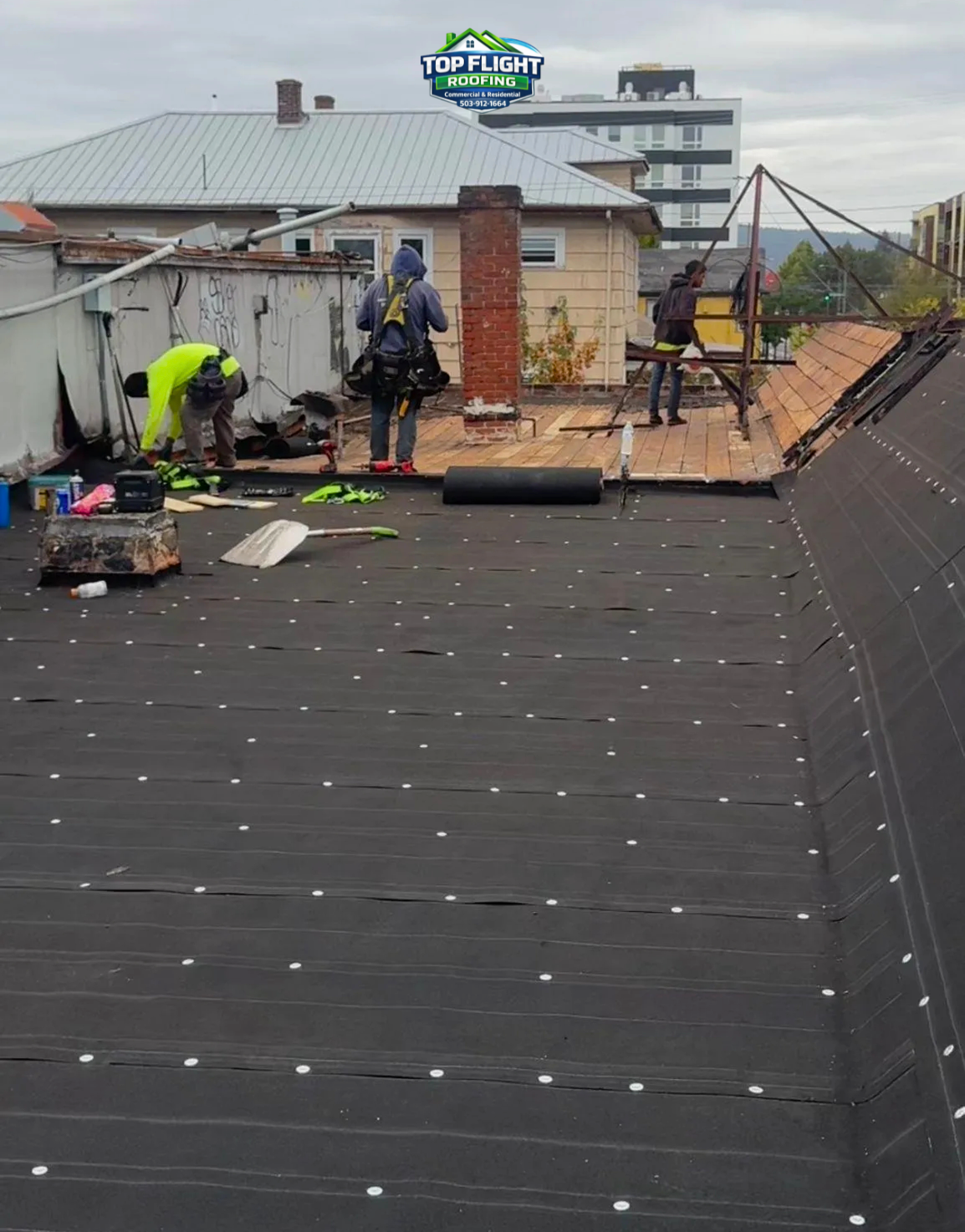
Flat roofs are, well, pretty flat! They might have a slight slope (usually less than 10 degrees). You’ll find them on lots of commercial buildings and some modern homes, where they’re handy for stuff like HVAC units, rooftop gardens, or solar panels. They usually consist of membranes like TPO, EPDM, or modified bitumen, and they handle water through drains, scuppers, and small slopes.
What Is a Pitched Roof?
Pitched roofs have a noticeable slope and come in styles like gable, hip, mansard, and shed roofs. They use shingles, metal panels, or tiles, and their angle helps rain and debris slide off easily. This makes them last longer in many climates, which is why they’re popular in areas with a lot of rain.
Shared Features
Both flat and pitched roofs include important parts like underlayment, insulation, flashing, and ventilation. These parts affect how the roof performs more than just the shape. Investing in good underlayment and the right ventilation can really boost energy efficiency and lifespan. Want to know more about underlayment? Check out our article on why underlayment matters.
Cost Comparison: Installation and Long-Term Costs
Initial Installation Costs
Flat roofs usually cost between $8 to $14 per square foot, depending on the membrane type and how complex the job is. Pitched roofs range from $10 to $20 per square foot, with costs influenced by materials composition; shingles are cheaper, while slate or metal are pricier. These are industry estimates and can vary with local labor rates, roof complexity, and chosen materials.
Long-Term Costs: Repairs and Replacement
Flat roofs might cost less to install initially, but they can rack up more maintenance costs over time due to drainage and membrane repairs. Pitched roofs might have a higher upfront cost, but can save you money in the long run with fewer repairs if maintained well. When looking at lifetime costs, consider maintenance frequency, warranty coverage, and potential energy savings from better insulation or reflective materials.
Budgeting Tips
To keep costs down, get several quotes that detail labor, materials, underlayment, and ventilation. Consider financing options or phased upgrades—adding better insulation or a higher-grade underlayment during a roof replacement can save on energy costs. For more tips, check out our checklist on getting ready for a roof replacement.
Lifespan and Durability
Flat Roof Lifespan
Flat roofing membranes typically last 10 to 20 years, depending on the material and maintenance. EPDM systems can last toward the upper end if maintained well, while cheaper materials or poor drainage can shorten their life. Regular inspections, quick repairs, and resealing every 2–5 years can greatly extend their lifespan.
Pitched Roof Lifespan
Pitched roofs often last 30 to 50 years or more, especially with durable materials like metal, slate, or high-grade asphalt shingles. Good ventilation and attic insulation are key to longevity because they prevent moisture buildup and temperature extremes that wear down materials over time.
Material Durability
The material you choose matters a lot. Composite or polymer shingles offer good durability and less weight, while metal panels can last 40-70 years, depending on upkeep. On flat roofs, high-performance membranes like modified bitumen or reinforced TPO usually outlast basic single-ply options. Picking the right material for your area and getting it professionally installed boosts performance and cuts lifecycle costs.
Energy Efficiency and Sustainable Roofing
Insulation and Energy Performance
Energy performance hinges more on insulation and ventilation than on slope. A well-insulated pitched roof with good attic ventilation can cut heating costs in winter, while reflective membranes and cool coatings on flat roofs can lower cooling needs in summer. For more on energy-saving roofing, see resources from the U.S. Department of Energy.
Sustainable Materials
Sustainable roofing is catching on. Composite shingles and polymer-based materials mimic traditional looks while being recyclable and long-lasting. Green roofs, or vegetated systems on flat or low-slope roofs, help with stormwater retention, habitat, and better insulation. Check out the EPA’s green infrastructure resources for more on the benefits of green roofs.
Smart Roofing
New technology is making roof maintenance smarter. Moisture sensors in roofs, thermal imaging for insulation gaps, and drone inspections for regular checks all help prevent small issues from turning into big problems. These tools work well with both flat and pitched roofs, and contractors using smart diagnostics can offer better maintenance schedules and warranty support.
Maintenance and Troubleshooting
Flat Roof Maintenance
Flat roofs need routine checks of drains, scuppers, and membrane seams. Remove debris and make sure slopes towards drains stay clear to avoid standing water. Regular resealing every 2–5 years, quick patching of punctures, and seasonal inspections can greatly lower leak risk. Set up a maintenance calendar with professional inspections and DIY checks between seasons.
Pitched Roof Maintenance
Pitched roofs are generally easier to keep dry but need attention to flashing, gutters, and shingles. Check valleys, chimney flashing, and roof-to-wall transitions for wear. Clean gutters and downspouts to keep water away from the fascia and eaves; blocked gutters can cause local damage if left unchecked.
Common Problems
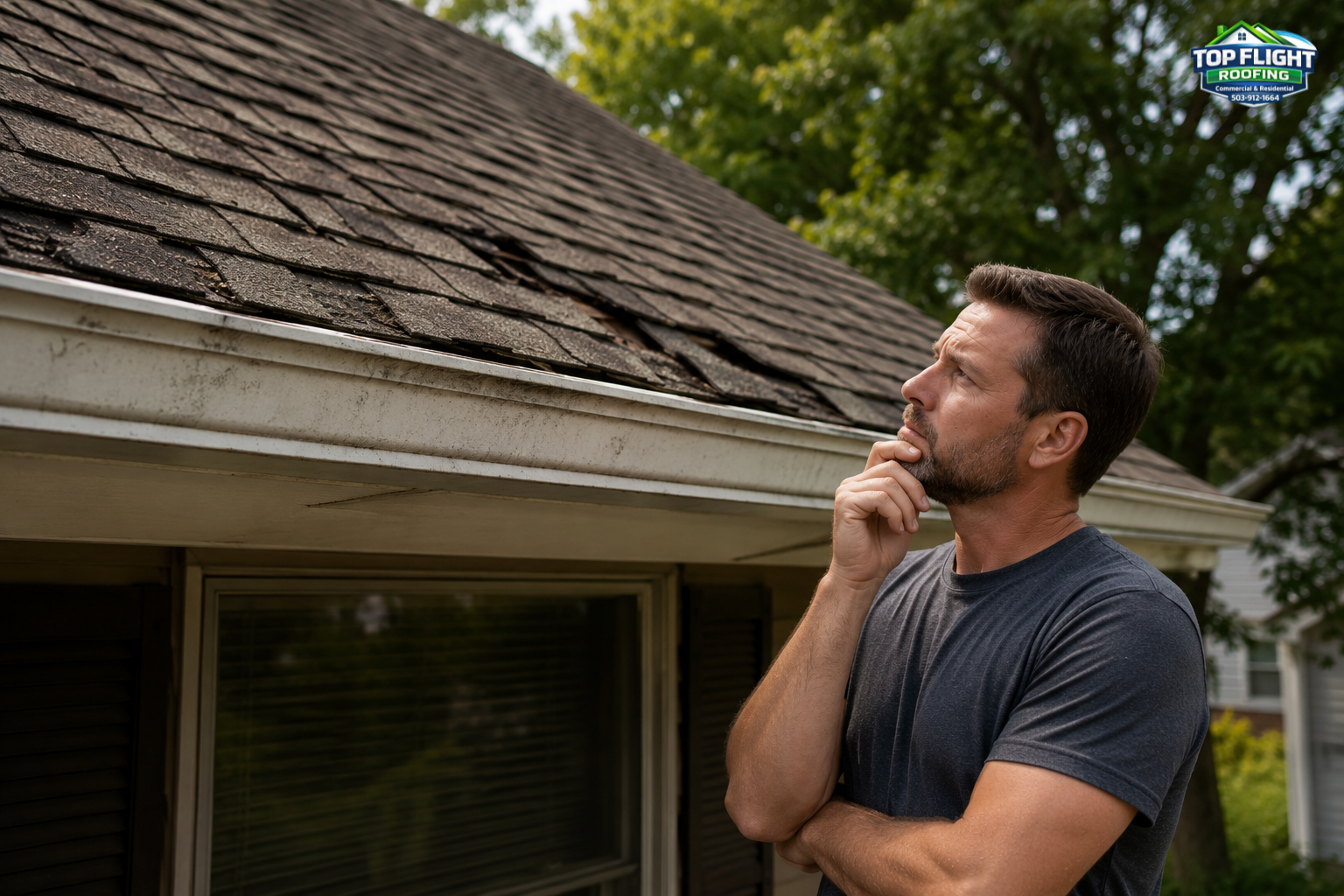
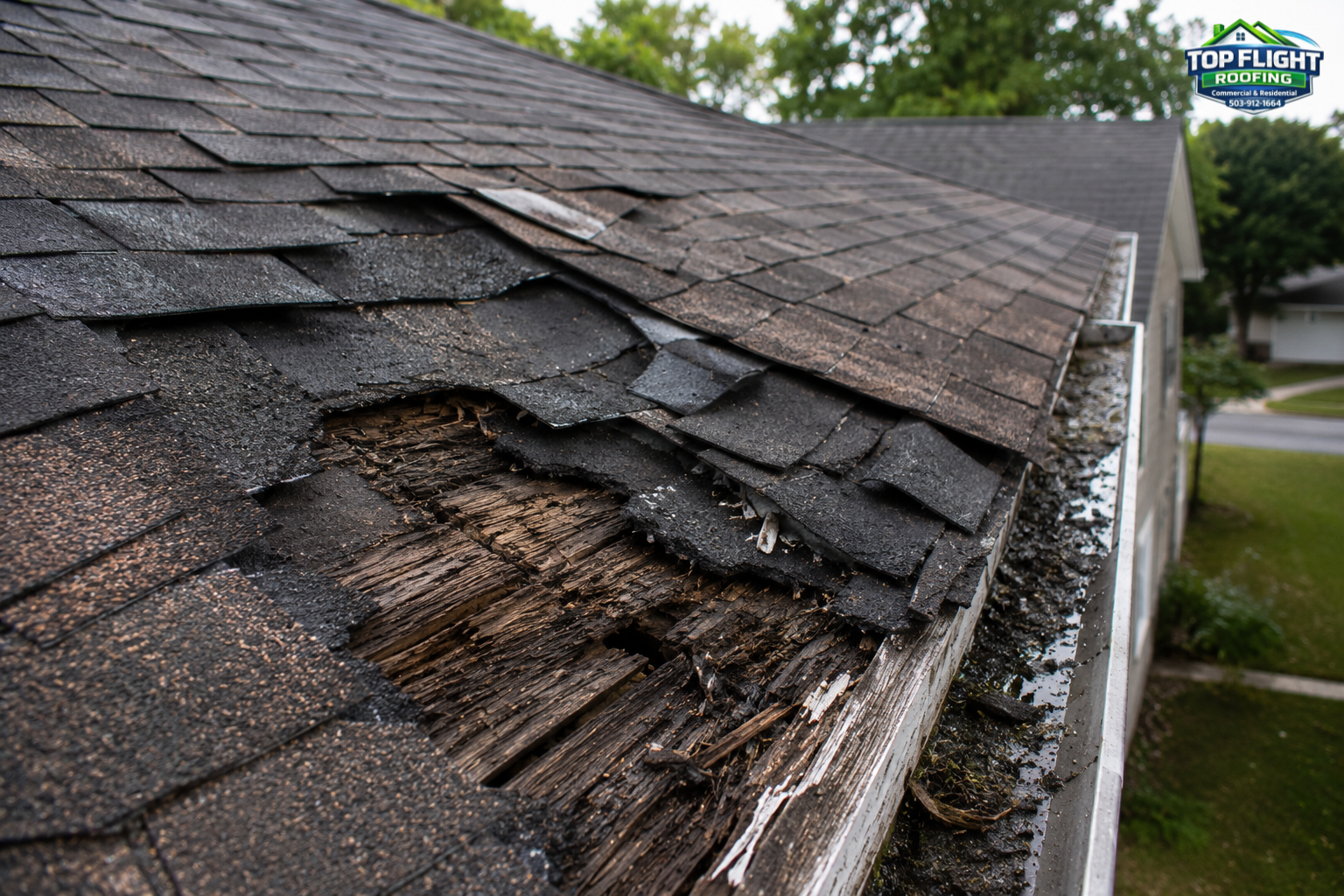
Issues like membrane splits on flat roofs or loose shingles on pitched roofs are common. Spotting problems early can save money. If you're unsure about a leak, a roofer can trace it and recommend fixes. For tips on spotting damage early, see our guide on spotting roof damage.
Portland, OR: Local Weather Tips and Case Studies
Why Climate Matters
Portland sees a lot of rain, cool, wet winters, and mild summers. So, drainage is a big deal. Pitched roofs shed rainwater faster, reducing leak risks. However, with the right design and care, flat roofs can also do well in Portland, especially with top-notch membranes and drainage systems.
Case Study: Spring Home & Garden Show
The Portland Spring Home and Garden Show featured roofing materials suited for the Pacific Northwest, like durable metal roofing and energy-efficient systems for heavy rain and winds. Exhibitors highlighted corrosion-resistant metals and good flashing solutions to prevent common leaks in older systems. These examples reflect a trend towards materials tailored for local weather.
Local Resources
Local building codes and permits can influence roof choices. Check with the City of Portland’s building resources and local codes for roof replacements and structural details. For official guidance, visit the City of Portland's website for permit procedures and codes.
Design and Property Value
Roof Type and Curb Appeal
Pitched roofs often add traditional curb appeal that many buyers like, while flat roofs suit modern and industrial looks. Picking a roof that matches your home’s design can increase resale value. Architectural shingles and metal profiles offer a range of finishes and colors to fit neighborhood expectations.
Functional Design
Flat roofs provide usable space for decks, gardens, or solar panels, offering benefits beyond protection. Pitched roofs often allow attic storage or vaulted ceilings, adding appeal and living space. Consider how you'll use the roof space. Flat roofs offer usable space, while pitched designs often favor storage and attic use.
Adding Solar and More
Both roof types can support solar panels, but orientation and pitch affect efficiency. Flat roofs make panel placement easy with mounting racks for optimal sun exposure. Pitched roofs may need designs that follow the roof slope and orientation. If solar is a priority, plan early with your contractor for structural loading, wiring, and maintenance access.
Choosing the Right Roof
Step 1 — Set Your Goals
Start by clarifying your goals: budget, lifespan, looks, or rooftop usability? For commercial buildings or modern homes where rooftop use matters, a flat roof is a plus. For homes in rainy areas where durability is key, a pitched roof might be better. Write down your priorities and constraints to guide your choice and share them with your contractor.
Step 2 — Check Your Structure
Not every building can support every roof type without changes. Check structural load capacity, attic space, and drainage paths. Flat roofs might need more structural waterproofing and support for added features, while pitched roofs might need reinforcement for heavier materials. A professional inspection can tell you what upgrades, if any, are needed.
Step 3 — Compare Options
Get detailed quotes with material specs, underlayment, ventilation, leak prevention, warranty terms, and maintenance schedules. Compare not just price but long-term value—ask for life-cycle estimates and maintenance costs. Top Flight Roofing LLC offers clear, itemized estimates and can guide you through materials for both flat and pitched systems. Schedule a free consultation to explore options.
FAQs: Common Homeowner Questions
Which Roof Saves Energy?
Energy savings depend mainly on insulation, ventilation, and reflective finishes, not just slope. Well-insulated pitched roofs work well in colder places, but flat roofs with reflective coatings or vegetative covers can be efficient in temperate areas. For technical advice, see resources from the U.S. Department of Energy.
How Often to Check and Maintain?
Check roofs at least twice a year, spring and fall, and after big storms. Flat roofs need more frequent checks for drainage, while pitched roofs need inspections for loose shingles and gutter maintenance. Regular upkeep prevents small issues from becoming costly repairs.
Can I Put Solar on a Flat Roof?
Yes, flat roofs are great for solar because they allow flexible panel orientation. Make sure your roof structure can handle the extra load and leave access for maintenance. Consulting with both roofing and solar pros during planning ensures proper attachment and waterproofing.
Maintenance Checklist and Troubleshooting
Seasonal Maintenance
Create a seasonal checklist to protect your investment. In spring, clear debris from drains and check for winter damage. In fall, clean gutters and remove leaves to prevent water backups. Year-round, watch for ponding water on flat roofs and check for missing shingles on pitched roofs. Keep a maintenance log with dates, inspections, and repairs to maintain warranty coverage and track the roof’s condition.
Fixing Leaks
Noticed water stains? Start by checking attic spaces, roof penetrations, and nearby flashings. For flat roofs, inspect seams and drains for blockages. For pitched roofs, check valleys, vents, and chimney flashings. When in doubt, call a pro for leak tracing. Incorrect DIY repairs can make things worse and void warranties.
Repair or Replace?
Repair if the damage is local, the roof has life left, and repairs will extend its life. Replace when repairs are frequent, the roof is near its lifespan, or when a new roof would improve energy performance and structure. Our guide on repair vs. replacement can help you decide.
Conclusion: Making a Choice
Choosing between a flat roof and a pitched roof depends on your budget, style preferences, maintenance willingness, and local climate. Pitched roofs offer great drainage and long lifespans, making them a good fit for Portland’s rainy weather. Flat roofs can be cost-effective and offer usable space but need careful drainage design and regular maintenance. Advances in sustainable materials and smart roofing tech are boosting performance for both, so material choice and professional installation are just as important as roof shape.
If you're weighing your options, the next step is a site-specific inspection. Top Flight Roofing LLC offers experienced assessments and clear, detailed quotes. We also provide services like roofing installation & repair and roofing insulation, which can improve long-term performance and energy efficiency. For gutter protection, consider our gutter screening installation.
Ready for expert advice? Contact Top Flight Roofing LLC at (503) 912-1664 or email info@topflightroofingllc.com to schedule a free consultation. Our team will assess your property, explain the pros and cons for your goals, and give you a clear recommendation backed by decades of Portland roofing experience.
To learn more about roof replacements or how underlayment protects your home, check out our guides: what happens during a roof replacement and why underlayment matters. For tips on getting your roof ready for Portland’s rainy season, see our post on preparing your roof for Portland’s rainy season.
We used external references and resources to ensure accuracy and best-practice advice. For broader climate and energy guidance, consult the National Oceanic and Atmospheric Administration and the U.S. Department of Energy for data and advice on roofing, insulation, and storm preparedness.
Trust Top Flight Roofing LLC to help you choose the right roof for lasting protection and value. Call (503) 912-1664 today to schedule your free, no-obligation roofing consultation and take the first step toward a smarter, more resilient roof.