How to Get Ready for Your Roof Replacement
Introduction: Why Getting Ready for a Roof Replacement Matters
What you’ll learn from this guide
Getting your home ready for a roof replacement can save you a lot of stress down the road. In this guide, we'll walk you through everything you need to know, from picking the right materials and finding a reliable contractor to protecting your garden and dealing with insurance. We’ll give you handy checklists, timing tips, and real examples to make the process as smooth as possible.
How good prep saves time, money, and headaches
When you prepare well, you cut down on delays and unexpected costs by spotting issues like worn-out decking or ventilation problems early on. Good communication and planning let the crew focus on installing your new roof instead of dealing with obstacles. In the end, homeowners who prepare well can finish on time and avoid costly follow-ups.
Quick checklist to get started
Before diving into the details, start with a quick checklist: get a professional inspection, check contractor bids and warranties, move cars and outdoor items away from the work area, let your neighbors know, and confirm permits. You might want to look into our roofing installation services to see what a full-service contractor can do for you. These early steps set clear expectations and reduce surprises on day one.
Section 1 — Trends and Picking Materials
Cool roofs and energy-efficient options
Energy-efficient roofs are all the rage these days. Cool roof systems, which reflect more sunlight and absorb less heat, are becoming popular. Choosing reflective shingles, metal with high solar reflectance, or special coatings can help lower attic temperatures and cut cooling costs in the summer. For more on cool roofs and how they can save energy, check out the U.S. Department of Energy: Energy.gov on cool roofs.
Sustainable materials and recycling
Many contractors now recycle old roofing materials and offer recycled-content shingles or sustainably made metal panels. This reduces landfill waste and can make your project more eco-friendly. Ask potential contractors about their recycling practices and whether they offer eco-friendly options for your roof.
Comparing common roofing materials: pros and cons
Asphalt shingles are popular because they're affordable, while metal and tile last longer and can handle different weather conditions better. Each has its trade-offs: asphalt is budget-friendly but doesn't last as long, metal is tough and reflective but can cost more, and tile is long-lasting and looks great but needs strong roof framing. Think about long-term value, not just the initial cost, when deciding what's best for you.
Technology in assessments: drones and imaging
Advanced tools like drones and thermal imaging help roofers find hidden damage, such as moisture or poorly sealed areas. These technologies speed up inspections and improve accuracy by reducing the need for manual checks. When hiring a contractor, ask if they use imaging tools to back up their inspection findings.
Section 2 — Pre-Inspection and Finding the Right Contractor
Why a professional inspection is a must
A licensed roofer's inspection can catch problems most homeowners miss, like damaged decking or ventilation issues. Professional inspections also give you the documentation you need for accurate quotes and insurance claims. Many good contractors include a detailed inspection report with photos and next steps.
How to vet contractors effectively
Check for licensing, insurance, references, and detailed written estimates. Look for contractors who provide clear timelines, materials lists, and warranty terms. Confirm they have liability and workers’ compensation insurance to protect you from any accidents or damage during the project.
Questions to ask before signing a contract
Ask about project timelines, crew size, debris removal plans, permit responsibilities, and payment schedules. Find out if the crew will handle flashing, underlayment upgrades, ventilation improvements, and deck repairs. Ask how they'll protect your landscaping and gutters during the project.
Sample inspection findings and how they change scope
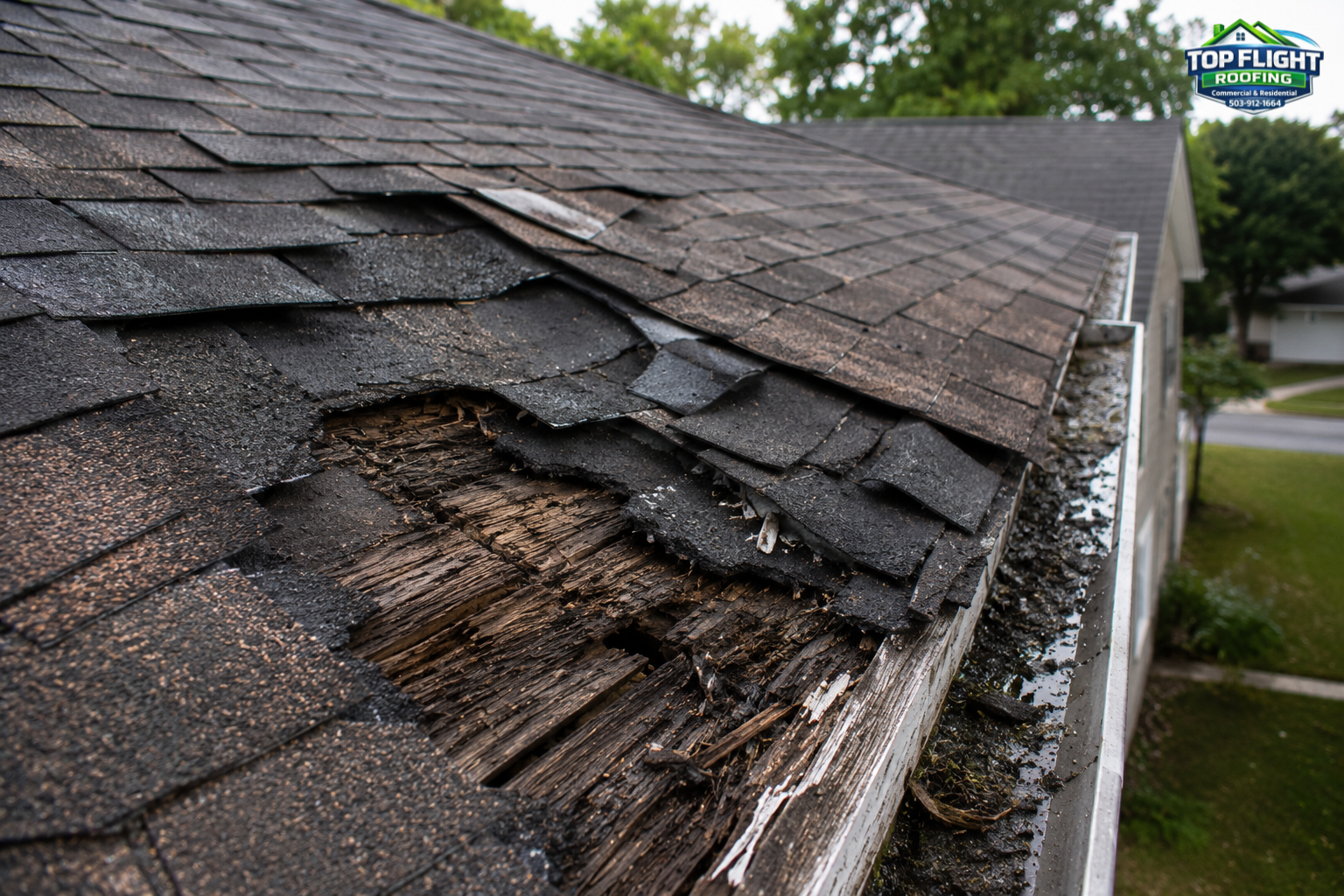
An inspection might uncover issues that expand the project, like rotten roof decking or inadequate ventilation. Understanding these possibilities helps you budget wisely and avoids last-minute surprises. Make sure your contract includes a documented scope of work.
Section 3 — Budgeting and Insurance Tips
Understanding costs and budgeting
The cost of a roof replacement can vary a lot depending on materials, roof complexity, and labor. Recently, the average cost in the U.S. has been mid-range, but you might spend more or less based on your choices and local labor rates. Set aside an extra 10-15% above the quote to cover unexpected repairs or fees.
Insurance: what’s usually covered and what’s not
Insurance coverage typically depends on the cause of damage and the policy. Storm damage, hail, and falling objects are often covered, but wear-and-tear might not be. Document damage carefully and file claims quickly. For more on homeowner insurance and claims, see the National Association of Insurance Commissioners: NAIC consumer insurance resources.
Getting multiple bids and making comparisons
Always get at least three detailed estimates that list materials, labor hours, tear-off needs, and warranty terms. Compare the details, not just the final numbers—different crews might include or leave out important tasks like underlayment replacement. Detailed estimates reduce the risk of disputes once work begins.
Financing and tax incentives
If upfront cost is a concern, many contractors offer financing or payment plans. Some energy-efficient upgrades might qualify for rebates or tax incentives; check federal and local programs. Consider long-term energy savings to get the full picture.
Section 4 — Getting Your Property Ready
Protecting landscaping and exterior features
Trim tree branches over the roof and protect shrubs and patio furniture with tarps. Talk to your contractor about nail and debris control, as flying nails can damage your lawn and plants. Protecting these areas prevents damage and reduces cleanup after the project.
Preparing interior spaces
Remove fragile items from walls and ceilings in rooms directly under the roof to prevent damage. Close windows and doors, and consider moving delicate electronics or artwork during the work. Communicate with the crew about sensitive areas to ensure extra care.
Clearing vehicles and access routes
Move cars and recreational vehicles away from the work area for easy setup of ladders and dumpsters. Keep pathways clear to prevent delays and safety hazards.
Protecting gutters, HVAC units, and solar panels
Discuss removal or protection of gutters and HVAC units with your contractor. If you have solar panels, let your roofer and solar provider know in advance to coordinate safe removal and reinstallation. Proper coordination saves time and avoids damage to expensive equipment.
Section 5 — Choosing Materials and Energy-Saving Options
Matching materials to your roof and climate
Consider your local climate when picking materials: areas with heavy rain need good drainage, while hot climates benefit from reflective materials. Talk to your contractor about attic ventilation and insulation upgrades. The right mix extends roof life and improves comfort.
Underlayment and ventilation considerations
Upgrading to modern underlayment can prevent leaks and increase durability. Proper ventilation helps control attic moisture and limits heat buildup. Learn more about underlayment in our article: Why underlayment matters.
Insulation and roof system efficiency
Improving attic insulation and sealing air leaks can enhance energy-efficient roofs. A well-insulated attic reduces heating and cooling costs. Consider combining roofing upgrades with insulation services for maximum savings; check out our roofing insulation services for options.
Paints, coatings, and reflective finishes
Reflective coatings and specialty paints can boost solar reflectivity and extend roof life. These products work best on low-slope roofs and certain metals. Discuss the pros and cons of a full replacement versus a coating with your contractor to find the right solution.
Section 6 — Logistics, Permits, and Managing the Timeline
Typical project timeline and possible delays
Most residential roof replacements take 7 to 14 days, but hidden damage or weather delays can extend the schedule. Plan for some flexibility, and talk with your contractor about possible extra days for repairs. A realistic timeline reduces stress and allows for thorough work.
Permits and local requirements
Roof replacements often need permits and inspections. If you’re in Portland, your contractor should know local rules and can usually get permits for you. For Portland-specific permit info, check out the Portland Bureau of Development Services.
Scheduling around weather and seasons
Weather plays a big role; roofers plan around forecasts to avoid working in wet conditions. In Portland’s rainy season, good crews build in contingency days and use tarps as needed. Ask your contractor how they handle weather-related disruptions.
Neighbor relations and advance notices
Let your neighbors know about start dates and duration to keep things friendly. Post temporary signs if parking will be affected. Many contractors also give a brief notice to nearby homes about noise and rooftop activity. Good communication keeps relationships positive.
Section 7 — On-Site Safety, Clean-Up, and Crew Expectations
Safety protocols the crew should follow
Professional crews follow strict safety standards, including fall protection and proper ladder setup. OSHA has guidelines for safe roofing work; reputable contractors will follow these: OSHA roofing safety. Confirm safety measures with your contractor before work starts.
Debris management and cleanup processes
Ask how the crew plans to collect nails and shingles during and after the job, and if they use magnetic sweepers and dumpsters. A thorough cleanup includes a final sweep to ensure your yard and gutters are free of debris. Clarify disposal responsibilities and costs in the contract.
Signs of a professional crew in action
Professional crews arrive with labeled vehicles, full protective gear, and clear staging areas. They protect HVAC units, vents, and landscaping and keep the site tidy each evening. These are signs of an experienced crew who respects your property.
Communication plan for changes and discoveries
Agree on how the contractor will communicate any added time or costs, like rotten decking or structural issues. Whether by phone, text, or email, quick and clear communication prevents misunderstandings. Request daily updates if you’ll be away during the project.
Section 8 — After Replacement: Inspections, Maintenance, and Warranties
Final inspection and punch list
Do a final walkthrough with the contractor to check shingle alignment and flashing. A list of minor corrections should be noted and scheduled. Keep all inspection reports and invoices for warranty purposes.
Maintenance schedule to extend roof life
Regular upkeep like gutter cleaning and moss removal protects your roof. Schedule professional inspections every few years and after major storms to catch early issues. A maintenance log helps you track service dates and actions.
Understanding warranties and manufacturer requirements
Read both the contractor and manufacturer warranties carefully. Some manufacturers require certified installers for full coverage, so check certifications before starting. Keep all warranty paperwork safe and note any required maintenance to keep the warranty valid.
When to call for follow-up service
If you notice leaks or missing shingles soon after installation, contact your contractor right away. Good roofers will respond promptly to warranty claims. Quick reporting increases the chance of easy fixes and long-lasting performance.
Section 9 — Common Questions and Troubleshooting
How long will my roof replacement take?
Most standard replacements take one to two weeks, but complex roofs or bad weather can add time. Homeowners who clear access, secure pets, and plan for surprises tend to have less downtime. Discuss the schedule with your contractor so you can plan accordingly.
Will insurance cover the repair or replacement?
Coverage depends on your policy and damage cause; storm damage is usually covered while wear-and-tear might not be. When filing a claim, document damage and provide inspection reports. For more guidance on disaster assistance, FEMA has resources: FEMA.
Real-world examples and case studies
Case study: A Portland homeowner chose a reflective metal system and saw cooling savings the next summer. Another homeowner in a hail-prone area quickly replaced the roof with their insurer and contractor after an inspection found failure. These examples highlight the importance of timely inspections and material choices.
Troubleshooting common post-installation issues
Common issues include loose flashing and minor leaks. Document problems and contact your contractor; most will address these under warranty. Keep all documentation and consider a third-party inspection if needed.
Section 10 — Next Steps and Call to Action
Summary of the most important preparation steps
In short: get a professional inspection, gather detailed bids, protect your property, confirm permits, plan a realistic timeline, and set aside extra funds. Prioritize communication and safety to reduce surprises and ensure quality. A prepared homeowner is a confident homeowner.
How Top Flight Roofing LLC can help you
With over 30 years of experience in the Portland area, Top Flight Roofing LLC offers expert guidance from inspection to cleanup. We provide services like shingle installation and repair and energy-efficiency upgrades tailored to your home. Our team focuses on clear documentation, safe practices, and a clean job site for every customer.
Get a free consultation and practical next steps
If you’re planning a roof replacement, schedule a free consultation for an inspection and a clear work plan. We’ll guide you through material options, timelines, and insurance documents. For energy upgrades, consider pairing your replacement with our roofing insulation services to maximize savings and comfort.
Contact information and encouragement
Ready to prepare for your roof replacement? Contact Top Flight Roofing LLC at (503) 912-1664 or email info@topflightroofingllc.com to schedule your inspection. Explore services like gutter screening installation and carpentry repairs to ensure your exterior performs well after your new roof is installed. Preparing well protects your investment and gives peace of mind for years.
Frequently Asked Questions (Quick Reference)
Do I need to be home during the replacement?
Being home is helpful for walkthroughs and sign-off, but many are away during the day. Provide a contact number and confirm security instructions if you’ll be absent. Ensure valuables are secure and pets are safe.
What should I do with my attic during the job?
Remove or cover items in attic rooms near the roofline if dust is a concern, and avoid the attic during tear-off. Check with the contractor about attic access for ventilation or assessments and keep hatch areas clear.
How do I verify final cleanup and job completion?
Do a joint walkthrough and request final invoice and warranty documents. Look for complete debris removal and proper installation. Request photos and keep all documents for future resale or warranty purposes.
When should I schedule the next roof inspection?
Schedule inspections every 3-5 years and after major storms to catch early signs of wear. Regular checks prevent costly repairs and help protect your warranty.
Final note: Careful preparation for a roof replacement protects your home and reduces stress. If you’d like expert help through every step, contact Top Flight Roofing LLC for a free consultation and guidance tailored to your home.
Top Flight Roofing LLC — dependable roofing for confident homeowners.