Understanding how long your roof will last is a smart way to protect your home, manage your budget, and keep your stress levels down. Roofs don't just suddenly give out; they usually show warning signs before major problems arise. Recognizing these clues helps you plan rather than scrambling in a crisis. Whether you're weighing repair options, checking your home's condition after a tough winter, or figuring out when to think about replacement, this guide covers the key factors that influence how long your roof will last and when to consider replacing it.
Roofing has come a long way recently. New synthetic materials, better repair methods, and advanced inspection tools give homeowners more choices than ever before. If you're thinking about professional roofing installation and repair or considering targeted fixes before a full replacement, the right plan can save you money and extend your roof's life. For more general homeowner advice, the National Association of Home Builders offers helpful insights on construction trends and durability.
What Affects Roof Longevity?
Material Matters
The type of roofing material you choose plays a big role in how long your roof will last. Asphalt shingles are popular because they're affordable and easy to install, but they typically last about 15 to 25 years. Metal roofs often last 40 to 70 years, and tile roofs can last 50 to 100 years or more. Slate is the durability champ, with some lasting 75 to 150 years if properly installed and maintained. These are general ranges and not guarantees, especially in areas with lots of rain, moss growth, and temperature changes.
When picking a material, consider your home's design and how much maintenance you're willing to do. Synthetic options like composite shingles and polymer-based systems are gaining popularity because they're lightweight, weather-resistant, and mimic the look of wood or slate. If you're comparing roofing systems for long-term value, check out shingle installation and repair options alongside more advanced materials to see how they line up in terms of performance, appearance, and budget.
Quality Installation
Even the best materials won't last if the installation is done poorly. Mistakes like bad fastening, inadequate ventilation, missing underlayment, or sloppy flashing can create weak points that cause leaks and rot, leading to early replacement. This is why professional installation is crucial: a well-built roof does more than keep rain out—it manages airflow, moisture, and temperature changes throughout your whole home.
Homeowners often focus on shingles because they're the visible part, but the hidden components matter just as much. Underlayment, decking, flashing, vents, and gutters all play a role in your roof's lifespan. For more on how these layers work together, check out our article on roof underlayment and why these unseen materials are just as important as the visible surface.
Climate and Weather
The weather can be a major factor in how long your roof lasts. In the Pacific Northwest, wet winters and dry summers can be particularly tough on roofs. Moisture encourages moss and algae growth, while the cycle of wetting and drying can stress shingles, sealants, and flashing. In Portland, you can expect roofs to age differently than the same materials would in a milder or drier climate.
The U.S. Environmental Protection Agency notes that roof conditions and climate exposure affect how materials perform over time, especially where heat, moisture, and UV exposure are concerns. Regular care isn't optional; it's essential to making your roof last as long as possible.
Roof Lifespan By Material
Asphalt Shingles
Asphalt shingles are a common choice for many homes because they offer a good mix of affordability and reliability. In ideal conditions, they last 15 to 25 years, but poor ventilation, storm damage, or heavy moss growth can shorten that. If your roof is nearing the 15-year mark, start inspecting it more closely and plan for future work.
Routine maintenance is key to getting the most out of an asphalt roof. That means clearing debris, checking for missing or curling shingles, and ensuring water drains away from the roof edge. Pairing gutter screening installation with roof maintenance can also prevent water backup, a silent contributor to early roof deterioration.
Metal Roofing
Metal roofing is known for its durability and is often chosen for its long life and resilience in harsh weather. A well-installed metal roof can last 40 to 70 years, with some premium systems lasting even longer. These roofs are also lightweight and fire-resistant, adding value for homeowners looking to the future.
But metal roofs aren't maintenance-free. Fasteners, sealants, expansion joints, and penetrations need to stay in good condition. Periodic professional inspections catch small issues before they become costly problems. Homeowners thinking about resale value often like metal roofs because they appeal to buyers who want low maintenance and durability.
Tile and Slate Roofing
Tile and slate are some of the longest-lasting roofing materials. Concrete or clay tiles often last 50 to 100 years or more, while slate might last 75 to 150 years with proper installation and care. These materials are durable but heavy and can break from impacts, foot traffic, or structural issues beneath them.
Since tile and slate are premium systems, protect them with regular maintenance and inspections. Small problems like cracked tiles, slipped pieces, or failing flashing can create leaks even if the main roof field looks fine. If your roof has specialty materials, a professional assessment is crucial before deciding on repair, restoration, or replacement.
When to Start Planning a Replacement
Age Isn't Everything
Many homeowners assume a roof only needs replacing when it leaks, but age should signal planning long before failure. If an asphalt roof is 15 to 20 years old, replacement should move from "someday" to "soon," even if it seems okay from the ground. A roof nearing its expected lifespan is more vulnerable to storm damage, moisture intrusion, and repair costs that add up fast.
A proactive approach pays off. By reviewing your roof's age, past maintenance, and visible signs together, you can decide whether it needs monitoring, repair, restoration, or replacement. Our guide to regular roof inspections can help you create a practical schedule for evaluating roof condition over time.
Don't Ignore Visible Damage
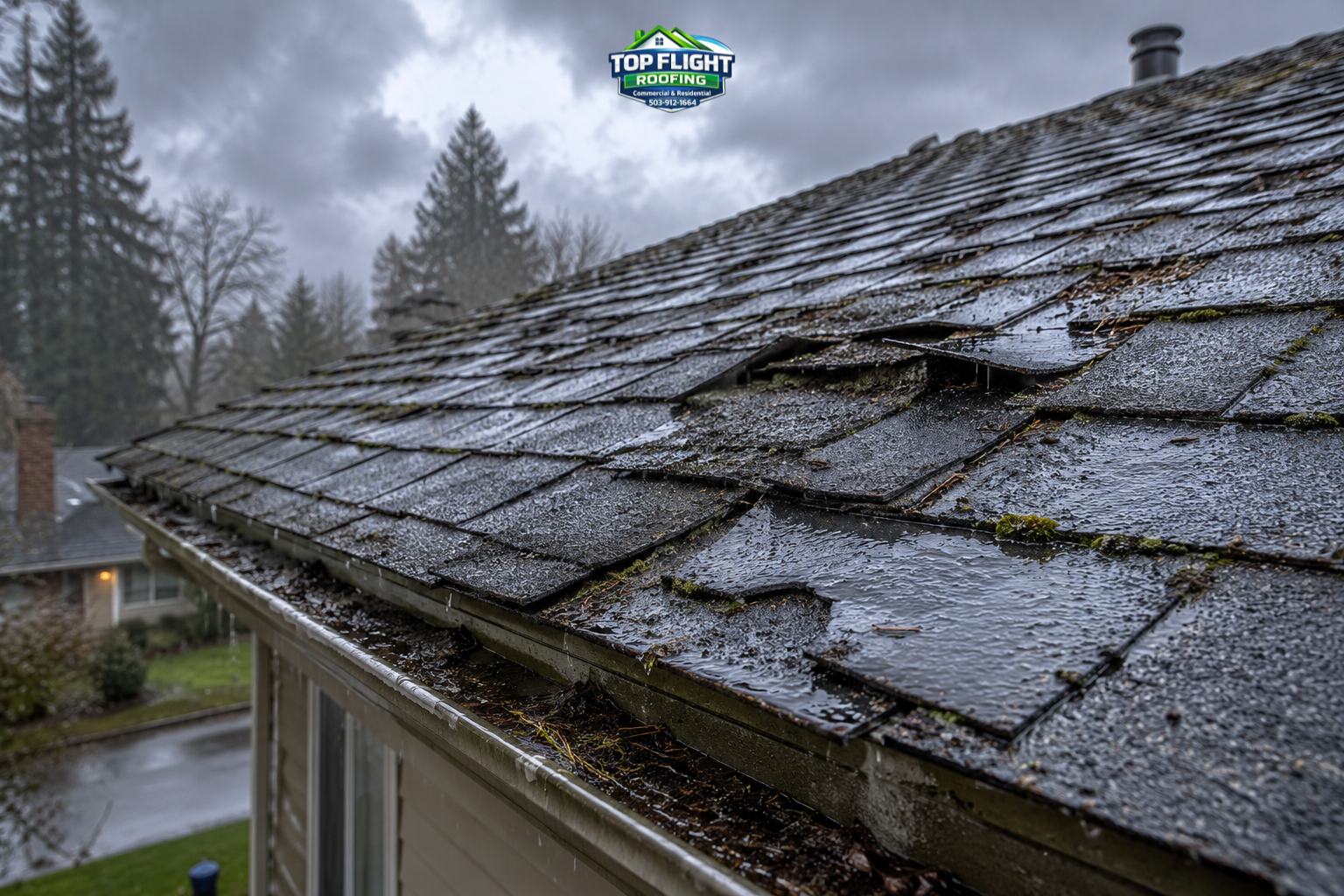
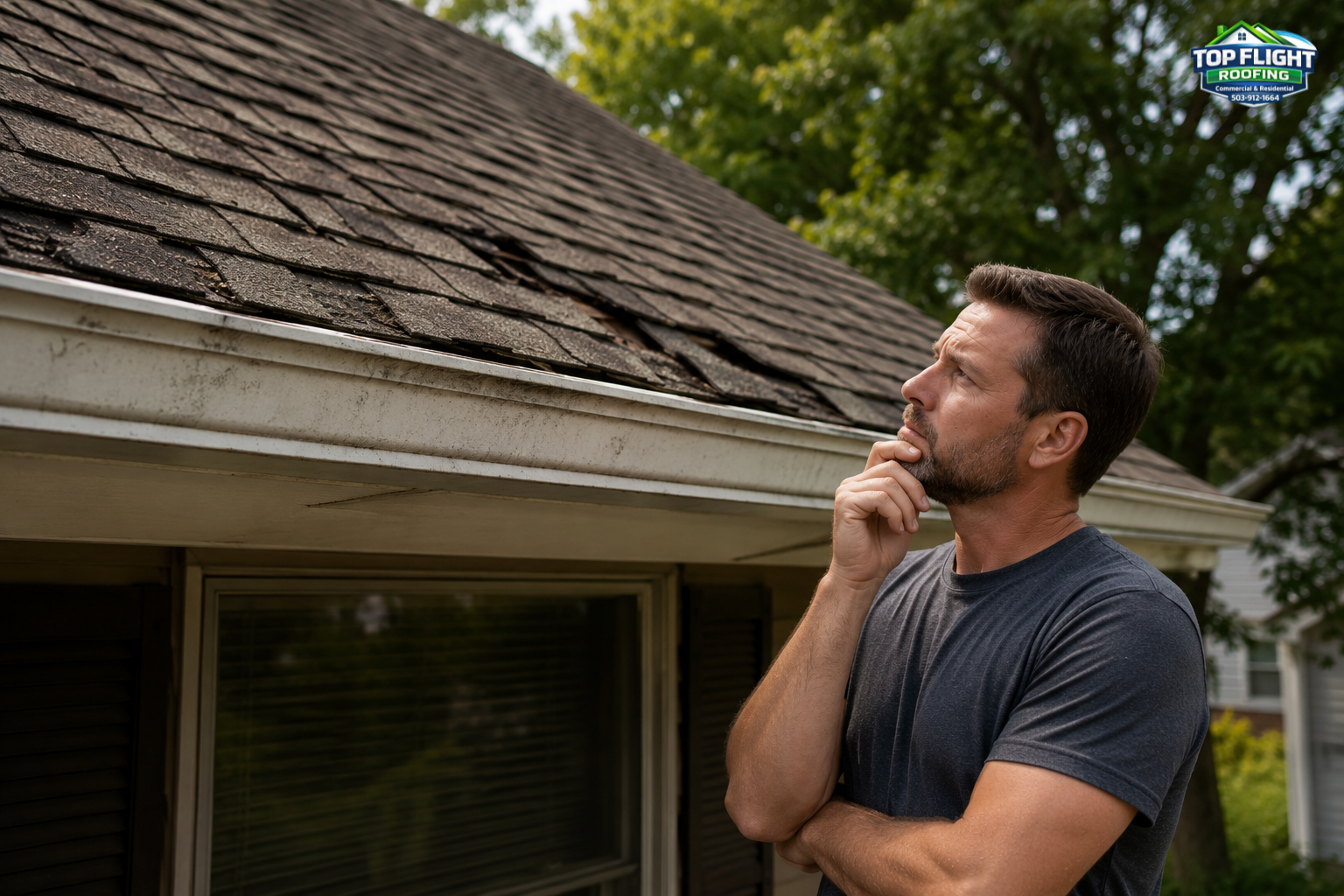
Warning signs of replacement include widespread granule loss, curling or cracked shingles, sagging roof lines, repeated leaks, soft decking, and recurrent repairs. A few isolated issues might be manageable, but when damage spreads across multiple areas, replacement is usually the wiser financial choice. Frequent patching can get expensive and often doesn't solve the underlying aging issue.
Water stains inside the home are another big concern. A leak might start small, but moisture can spread through insulation, sheathing, framing, and drywall before becoming obvious. If you're seeing symptoms indoors, read about how small roof leaks can lead to major damage to understand why delaying action often makes repairs more costly.
Frequent Repairs
If you're calling for fixes after every storm or keep replacing the same shingle sections, your roof may be nearing its end. A roof that seems "almost fine" can still be a bad investment if it needs constant attention.
Planning reduces stress. Instead of rushing to cover leaks during the wet season, you can compare materials, review financing, and schedule work at a better time of year. Homeowners who value efficiency often pair roof replacement planning with upgrades like roofing insulation to boost energy performance and cut future utility costs.
Roof Restoration vs. Full Replacement
When Restoration Works
Roof restoration is a popular alternative to full replacement, especially if the roof is structurally sound but showing surface wear. Restoration may involve cleaning, sealing, coating, or applying eco-friendly treatments to extend life and improve moisture and UV resistance. For many homes, restoration is a smart middle ground between patching and replacing.
This approach can reduce waste, lower upfront costs, and delay a major project. It's appealing when the roof hasn't reached the end of its structural life. For more on sustainable roofing, the Asphalt Roofing Manufacturers Association offers useful info on materials, performance, and maintenance practices.
When to Choose Replacement
Replacement is better when damage is widespread, the roof deck is compromised, or the system no longer performs well. If leaks recur, shingles fail in multiple areas, or the roof has outlived its expected lifespan, replacement makes more sense than patching. The goal isn't to stop one leak; it's to restore long-term protection.
Economic conditions can also affect timing. In 2026, tariffs and material costs have increased prices for some imported roofing materials like steel and aluminum. Insurance companies are tightening requirements for aging roofs, often requiring professional inspections before issuing or renewing policies. When combined with roof age and condition, planning earlier gives you more control over budget and scheduling.
Evaluating Your Roof Like a Pro
Start with Records and Age Estimates
If you're unsure how old your roof is, start with records. Check your closing documents, repair invoices, inspection reports, or receipts from past owners. If those are incomplete, a professional roofer can often estimate the age based on material type, wear patterns, and visible conditions. Knowing the approximate age helps you decide whether to maintain or plan for replacement.
Homeowners often overlook the importance of documentation. A roof that seems older than expected may still have years left if well-maintained, while a newer roof can fail early if installation or ventilation was poor. Consider age alongside actual roof performance, not alone.
Inspect from the Ground and Inside the Attic
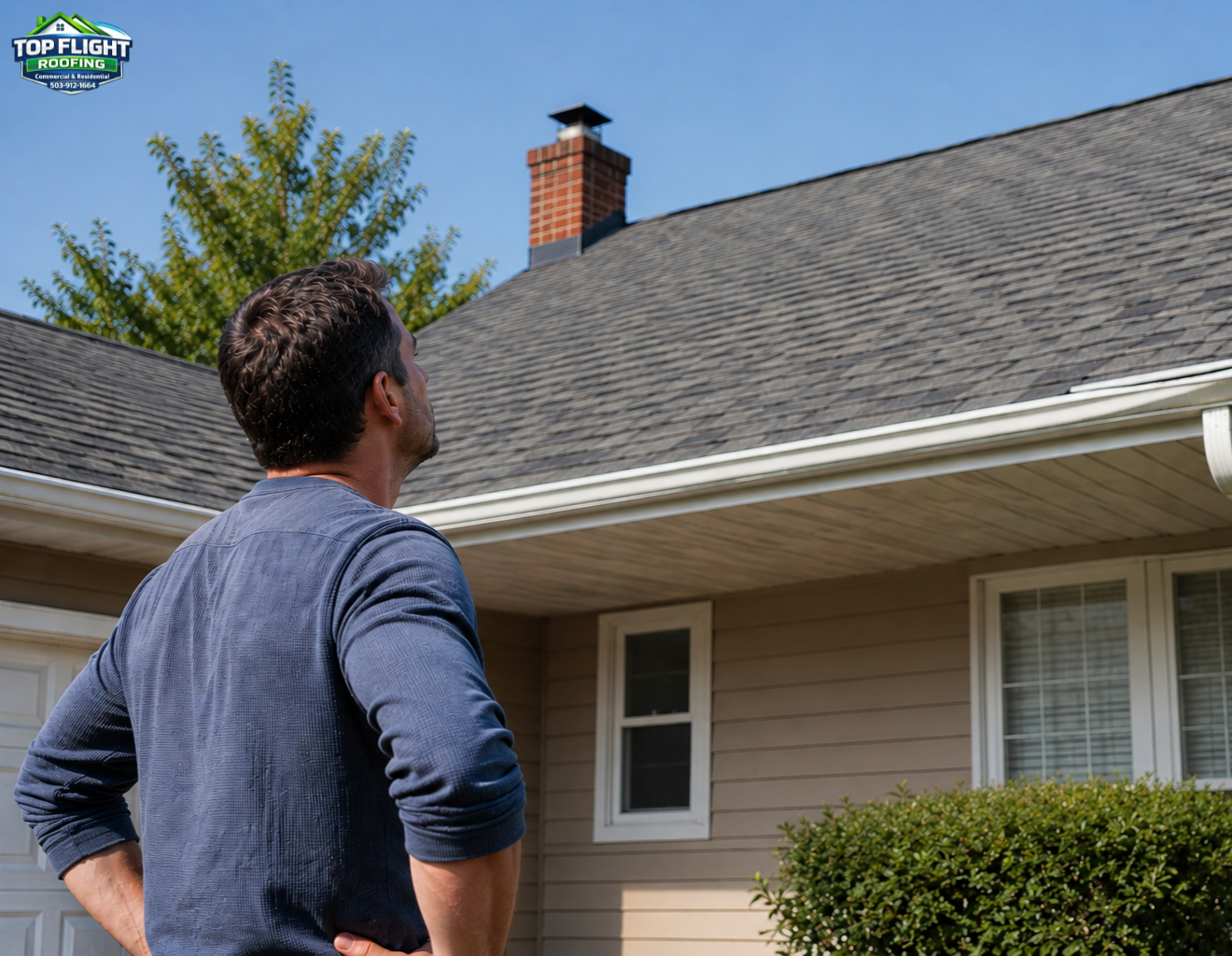
No need to climb onto the roof to notice many warning signs. From the ground, look for missing shingles, uneven roof lines, debris buildup, or visible sagging. Inside your home or attic, watch for stains, damp insulation, mold smells, or daylight showing through the roof deck. These clues often reveal problems before exterior damage becomes severe.
Professional tools are changing inspections, too. Moisture sensors, thermal imaging, drone inspections, and digital photo reports help track roof health accurately. Smart roofing technologies are especially useful for large homes, commercial properties, and hard-to-access roofs.
Let Maintenance History Guide You
A roof that gets regular maintenance can last much longer than one that's ignored. Regular cleaning, timely flashing repairs, sealed penetrations, and seasonal inspections all contribute to better long-term performance. Staying ahead of small issues often delays replacement by years, making a big difference in cost.
Maintenance should include surrounding systems, too. Gutters, siding transitions, attic ventilation, and roof edge details all influence water management. When reviewing the exterior as a whole, exploring siding installation and repair can be helpful because exterior problems often overlap and affect each other.
Portland Climate Considerations
Moisture, Moss, and Algae
Portland homes often deal with wet winters, cool temperatures, and moisture retention that encourages moss and algae growth. Moss might look harmless, but it can trap moisture, lift shingles, and speed up wear. Algae can stain roofing materials and make the roof look older. Regular cleaning and inspection are essential in climates where damp conditions persist.
These local conditions mean you should think beyond simple age estimates. A roof with the same material and age may perform differently in Portland than in drier areas. Local experience is especially valuable when deciding whether your roof needs restoration, repair, or replacement.
Dry Summer Stress and Thermal Cycling
Hotter, drier summers can also affect roofing systems by causing materials to expand and contract. Over time, this movement can loosen fasteners, crack sealants, and stress older shingles. When wet and dry conditions alternate seasonally, a roof can experience wear that shortens its life.
That's why a seasonal maintenance plan is more effective than a one-time inspection. Homeowners who want stronger protection should consider pairing roof care with preventive services and weatherproofing details that reduce vulnerability during the rainy season. For additional seasonal prep ideas, see preparing your roof for Portland’s rainy season.
How Planning Saves Money
Avoid Emergency Costs
Planning replacement before a roof fails can save money in several ways. Emergency repairs often cost more because crews must respond quickly, materials may be limited, and interior water damage may need immediate attention. If a leak spreads into insulation or drywall, project costs can skyrocket beyond roofing work itself.
Planning also lets you compare material options, request multiple estimates, and schedule work in a season that supports efficient installation. Instead of paying the price of urgency, you can make a more informed investment with fewer surprises. For a better sense of the process, read what happens during a roof replacement from tear-off to final inspection.
Insurance and Appraisal
Insurance providers are increasingly cautious about older roofs. If your roof is nearing the end of its life, an inspection might be required before policy renewal or claim approval. A documented replacement plan can help avoid lapses in coverage and may support better results during underwriting reviews. Sometimes, a newer roof also boosts resale value and buyer confidence.
That value goes beyond appearance. Buyers often see a new roof as one less future expense, making your home more appealing in competitive markets. If you're planning to sell in the next few years, roof condition should be part of the overall property strategy rather than an afterthought.
What a Pro Assessment Should Include
Condition of Materials and Flashing
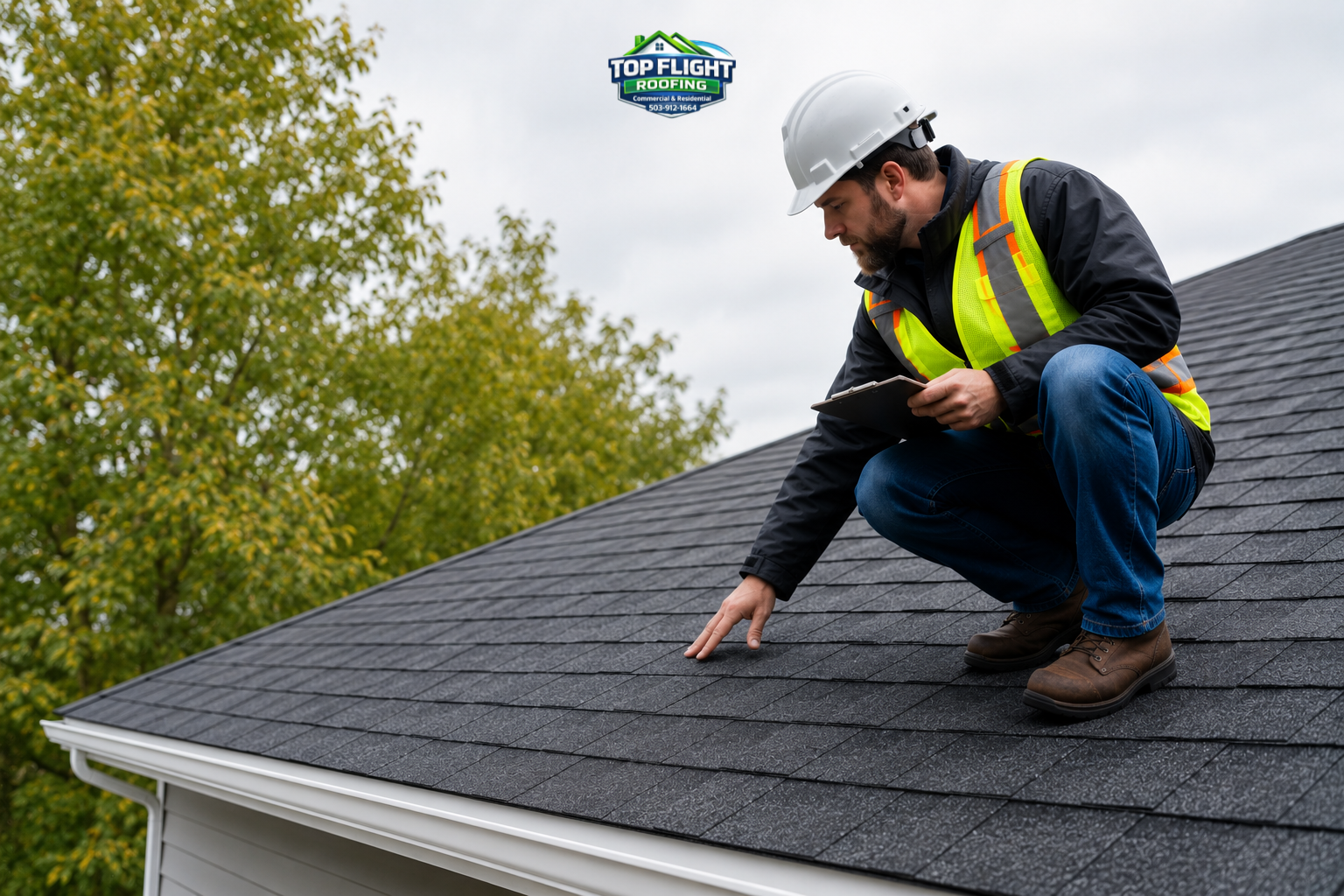
A thorough roof assessment should check the condition of shingles or panels, flashing around chimneys and penetrations, underlayment, vents, and the visible structure beneath. It should also note any wear patterns, not just isolated trouble spots. A good roofer will explain whether repairs are still an option or if replacement is more cost-effective.
Local expertise matters here, too. In Portland, contractors should understand how moss, moisture, and seasonal rain affect different materials. A knowledgeable assessment helps avoid overspending on a roof that only needs restoration or, just as importantly, avoid underestimating damage that requires full replacement.
Ventilation and Moisture Management
Roof longevity heavily depends on attic ventilation and moisture control. Poor airflow traps heat and humidity, speeding up deterioration from below. A professional assessment should identify whether intake and exhaust ventilation are balanced, whether insulation affects airflow, and whether condensation contributes to hidden damage.
Sometimes the roof itself is only part of the issue. If the attic environment isn't managed correctly, even a new roof can underperform. This is why experienced contractors often look at the entire roof system, not just the outermost layer, before making recommendations.
FAQs About Roof Lifespan and Replacement Timing
How Can I Tell How Old My Roof Is?
Start by checking home purchase documents, insurance records, or previous repair receipts. If those aren't available, a professional inspection can often estimate the age by looking at material wear, nailing patterns, granule loss, and flashing condition. A qualified roofer can also tell you whether the roof appears original or whether certain sections have been repaired or replaced.
Should I Replace a Roof with a Few Leaks?
Not always, but don't assume a few leaks are minor. If the roof is otherwise healthy and damage is localized, targeted repairs may be enough. If leaks are recurring, widespread, or accompanied by sagging or deteriorated decking, replacement is usually the smarter long-term investment.
Is Restoration Really Worth It?
Yes, if the roof structure is still sound and damage isn't extensive. Restoration can extend service life, reduce waste, and delay the need for a full replacement. It works best when combined with professional evaluation, regular maintenance, and a realistic understanding of what restoration can and cannot fix.
How Often Should I Have My Roof Inspected?
At a minimum, schedule an inspection once a year and after significant storms. Older roofs, complex rooflines, and properties with heavy tree cover may benefit from more frequent checks. Routine inspections are one of the simplest ways to catch small problems before they turn into major expenses.
Final Thoughts: Plan and Protect Your Home
The best time to think about roof replacement is before you're dealing with active leaks or interior damage. By learning the expected lifespan of your roofing material, paying attention to warning signs, and scheduling regular maintenance, you give yourself more choices and fewer surprises. Whether your roof needs a few repairs, a restorative treatment, or a full replacement, the right decision depends on age, condition, climate, and long-term cost.
If you're unsure where your roof stands, a professional assessment is the safest next step. Top Flight Roofing LLC brings decades of experience, careful workmanship, and local knowledge to every project, helping Portland homeowners make informed decisions about their roofs. When you're ready to protect your home with dependable service, contact our team for a free consultation and estimate, or learn more about our roofing installation services and how we can help you plan with confidence.
Need help deciding whether to repair, restore, or replace your roof? Reach out today and get practical guidance tailored to your home, your budget, and your long-term goals.