Save Money with Regular Roof Inspections: A Practical Guide
Introduction: What You'll Learn and Why It Matters
What's in This Guide
Regular roof inspections can save you a lot of money by preventing expensive repairs, extending the life of your roof, and keeping your property in good shape. In this guide, you'll find out how inspections can cut down on costs in the long run, the cool technologies being used today, the best times to schedule inspections, what inspectors look for, and how to use inspection results to keep your roof in tip-top shape. We've included real-life examples, statistics, and easy steps you can take right away.
We created this guide to tackle common questions about roof inspections and maintenance. Whether you're a homeowner or manage multiple properties, the strategies here will help you save money and keep your roofs in good condition. Catching issues early and following up regularly are key themes throughout this article.
If you're thinking about getting a professional assessment or want more information about maintenance, our team at Top Flight Roofing LLC is here to help. For trusted installation and repair services, check out our roofing installation & repair offerings, which pair inspections with long-term maintenance plans.
Quick Stats and Industry Context
The National Roofing Contractors Association (NRCA) suggests getting your roof checked at least twice a year and after severe weather events to avoid bigger problems and costly repairs. Regular inspections help find weak spots like flashing, underlayment, and gutters before they become major issues. According to studies, catching problems early has saved homeowners and property managers thousands of dollars. Many roofing companies now offer free or discounted inspections as part of maintenance programs.
New tools like drones and thermal imaging have made inspections safer and more accurate, allowing contractors to quickly survey large or complex roofs and produce detailed reports. These modern methods cut down on labor costs and increase the chances of catching small issues before they turn into big problems. This shift toward preventive maintenance in roofing is a smart move that the industry fully supports.
Why Regular Roof Inspections Matter: The Financial Case
Understanding the Cost of Roof Problems
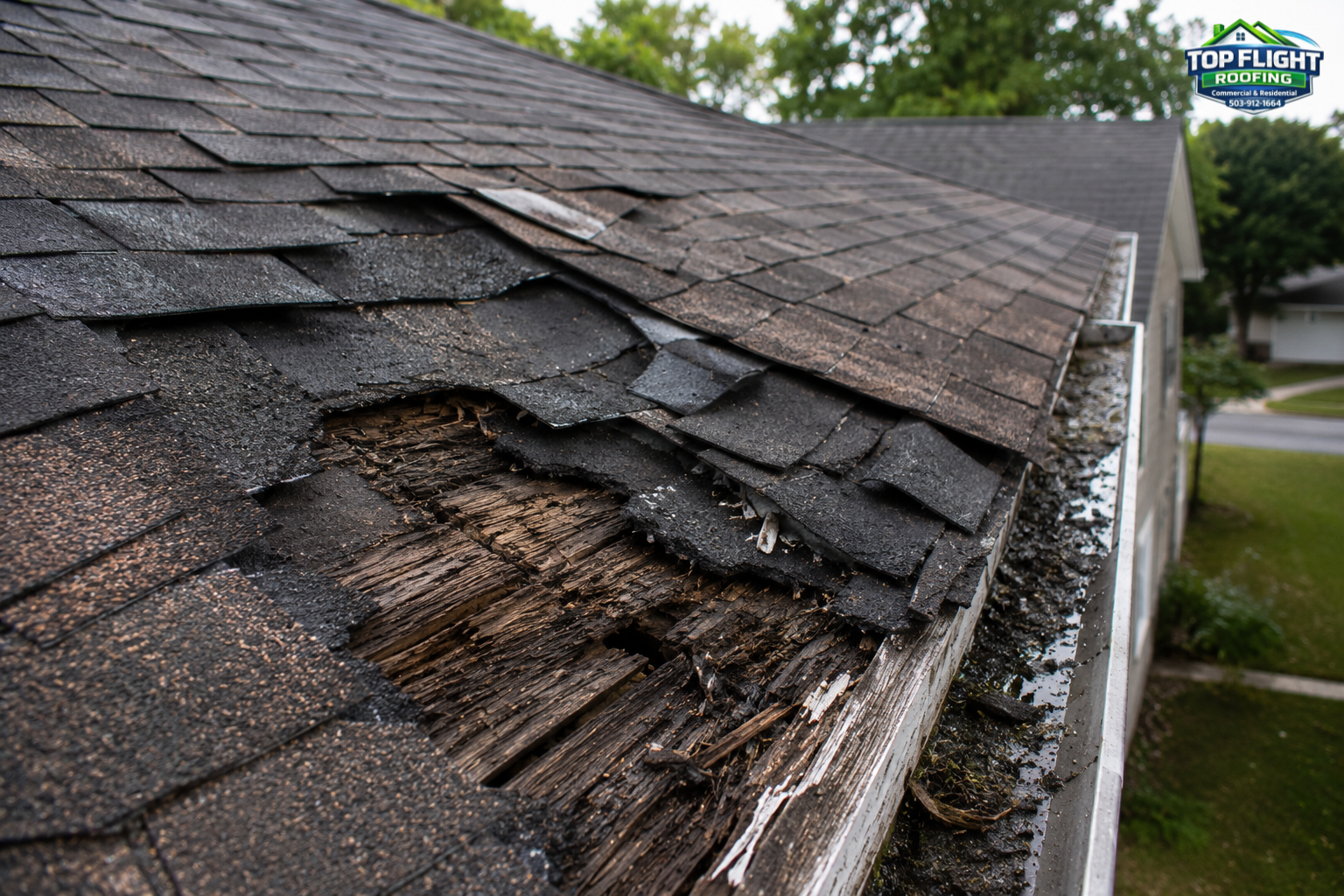
Roof damage can get worse fast. What starts as a small leak can lead to water damage, mold, insulation problems, and even structural rot if ignored. Each layer of damage adds to repair costs. For instance, fixing a small issue like a leaky flashing joint might cost a couple of hundred dollars, but if ignored, it could turn into a full roof replacement costing thousands. When you think about both the dollars and disruption, it's clear: a $200–$400 inspection can prevent a multi-thousand-dollar emergency repair.
There are indirect costs, such as temporary relocation, mold cleanup, lost rental income, and lowered property value. These costs often exceed the direct repair expenses. Regular inspections help manage these risks, keeping small issues from growing into big, unpredictable problems.
Return on Investment: Inspections vs. Emergency Repairs
When you compare the cost of regular maintenance to emergency repairs, inspections offer a great return on investment. For example, finding deteriorated flashing and loose shingles during an inspection might cost a few hundred dollars to fix. If left unchecked, this could lead to a leak that damages ceilings, wiring, and more, costing thousands. The ROI is even better when inspections are part of multi-year maintenance contracts, spreading costs out and reducing unexpected expenses.
Many property managers report that regular inspections help keep maintenance budgets stable and reduce emergency calls. For homeowners, knowing that issues are caught early gives peace of mind and lowers the risk of costly insurance claims and property devaluation.
Real-World Savings
One homeowner who scheduled bi-annual inspections discovered uplifted shingles and failing underlayment near a chimney. Fixing this issue cost a few hundred dollars; without the inspection, they might have faced a $4,500 bill for interior repairs later. On the commercial side, a property manager implemented quarterly inspections after minor leaks affected tenants. These inspections identified drainage issues that were fixed with modest repairs. This approach extended the roof's lifespan and avoided a costly premature replacement.
Best Practices: Inspection Frequency and Standards
Recommended Inspection Schedule
Experts, including the NRCA, recommend inspecting your roof twice a year, typically in spring and fall. Spring checks catch winter damage like ice dams and cracked shingles, while fall inspections prepare the roof for winter weather. These seasonal inspections ensure routine wear and tear is addressed.
Also, schedule inspections after severe weather, such as hail, high winds, heavy snow, or rain. Such events can cause damage that isn't visible from the ground. For properties in harsh climates, more frequent inspections may be necessary to keep warranties valid and extend roof life.
Working with Professionals
The NRCA advises building a long-term relationship with a professional roofing contractor for consistent inspections and maintenance. This ensures documented history, consistent workmanship, and quick response times for repairs. When choosing a contractor, check credentials, insurance, and references, and ask about their experience with your roof type and materials.
Professional contractors provide reports that document findings, prioritize actions, and include photos. These reports are valuable for warranty claims, insurance adjustments, and maintenance planning. For more on best practices, check out the NRCA's maintenance advisory.
Inspection After Storms and FEMA Guidance
After severe storms, it's important to check for hidden damage. Schedule a professional inspection to ensure safety before accessing the roof. FEMA and other organizations stress the importance of safety and documentation after storms. For more on home safety and disaster response, visit FEMA.
Post-storm inspections look for damage like wind uplift, displaced shingles, and damaged gutters. Contractors document damage for insurance, speeding up claims. These inspections can mean the difference between an approved or denied insurance claim.
Modern Inspection Technologies: Faster, Safer, and More Accurate
Drone Assessments
Drones are changing roof inspections by providing high-resolution images without the risk of climbing. They're great for large commercial roofs, steep residential roofs, and complex properties. Drones can capture close-ups of problem areas and provide an overall view to spot wear or moisture issues.
Some drones also offer 3D mapping and measurement tools, reducing material over-ordering. Drone inspections save time on-site and allow for quick, photo-backed reports so repairs can be scheduled efficiently.
Thermal Imaging and Moisture Detection
Thermal cameras detect temperature differences, indicating moisture under roof membranes or in attic spaces. Since moisture retains heat differently than dry materials, thermal scans reveal hidden leaks and wet insulation. This non-invasive method helps focus repairs on the exact problem area, preventing unnecessary tear-offs.
When combined with drone or hands-on inspections, thermal imaging is a powerful diagnostic tool, especially for flat roofs where moisture pooling can be hidden. Contractors can use thermal scans with core sampling to confirm moisture before recommending repairs.
Digital Reporting and Asset Management
Many inspections now include cloud-based reports and maintenance scheduling software. These tools store inspection histories, photos, and action items, helping property owners track repairs and expenses over time. Digital records also improve transparency with insurance companies.
Using software to manage inspection data helps prioritize work, budget for repairs, and measure the impact of maintenance on roof lifespan. For those managing multiple properties, digital tracking is invaluable for coordinating repairs and monitoring contractor performance.
Comprehensive Roof Inspection Checklist: What Inspectors Look For
Shingles, Tiles, and Membrane Condition
Inspectors check the condition of shingles, tiles, or membranes for missing or cracked materials, granule loss, or blistering. For asphalt shingles, granule loss indicates aging. Tile roofs are checked for broken or porous tiles that affect water shedding. Flat roofs are checked for ponding water and membrane punctures.
Documenting the condition of materials helps decide between repairs and replacement. Small repairs can extend service life, but widespread issues might mean replacement is more cost-effective.
Flashing, Penetrations, and Rooftop Equipment
Flashing around chimneys, vents, and skylights is a common leak source and should be inspected. Deteriorated flashing fails first because it moves differently from shingles. Inspectors look for cracks, rust, and gaps that allow water in.
Rooftop equipment like exhaust fans and HVAC units can stress nearby roofing materials. Inspections check for secure mounting and proper sealing. Addressing flashing and penetration issues early prevents costly interior damage.
Gutters, Drainage, and Roof-Edge Details
Good drainage prevents water damage. Inspectors clear and assess gutters, downspouts, and drains to ensure water is directed away from the roof and foundation. Clogged gutters lead to overflow, affecting eaves, fascia, and siding.
Consider gutter screening to reduce debris and cleaning frequency. We offer gutter solutions that complement inspections learn more about our gutter screening installation options.
Attic and Insulation Inspection
Attics reveal leaks, ventilation problems, and insulation gaps. Inspectors look for water stains, mold, and signs of heat loss. Proper ventilation prevents moisture buildup and helps regulate temperatures, reducing stress on roofing materials.
Improving insulation preserves roof components and boosts energy efficiency. For energy-focused upgrades and insulation options, explore our roofing insulation services.
From Inspection to Action: Prioritizing Repairs and Maintenance
Interpreting Reports and Prioritizing Work
After an inspection, you'll get a report listing findings and recommended actions, usually prioritized by urgency. High-priority items like leaks or structural damage should be fixed immediately. Medium-priority items can be scheduled within a maintenance window. Low-priority items can be monitored.
Prioritizing repairs focuses budgets on preventing major issues. A good contractor will explain recommendations and provide options for phased repairs if needed.
Maintenance Plans and Contractor Relationships
A maintenance plan with a trusted contractor ensures timely inspections and upkeep. These agreements streamline scheduling and often offer repair cost savings. Long-term relationships build trust and familiarity, leading to better recommendations over time.
Top Flight Roofing LLC values ongoing relationships with property owners, providing clear reports, maintenance reminders, and responsive scheduling. Linking inspections with preventive services like gutter maintenance reduces emergency calls and stabilizes repair budgets.
When Repair Becomes Replacement
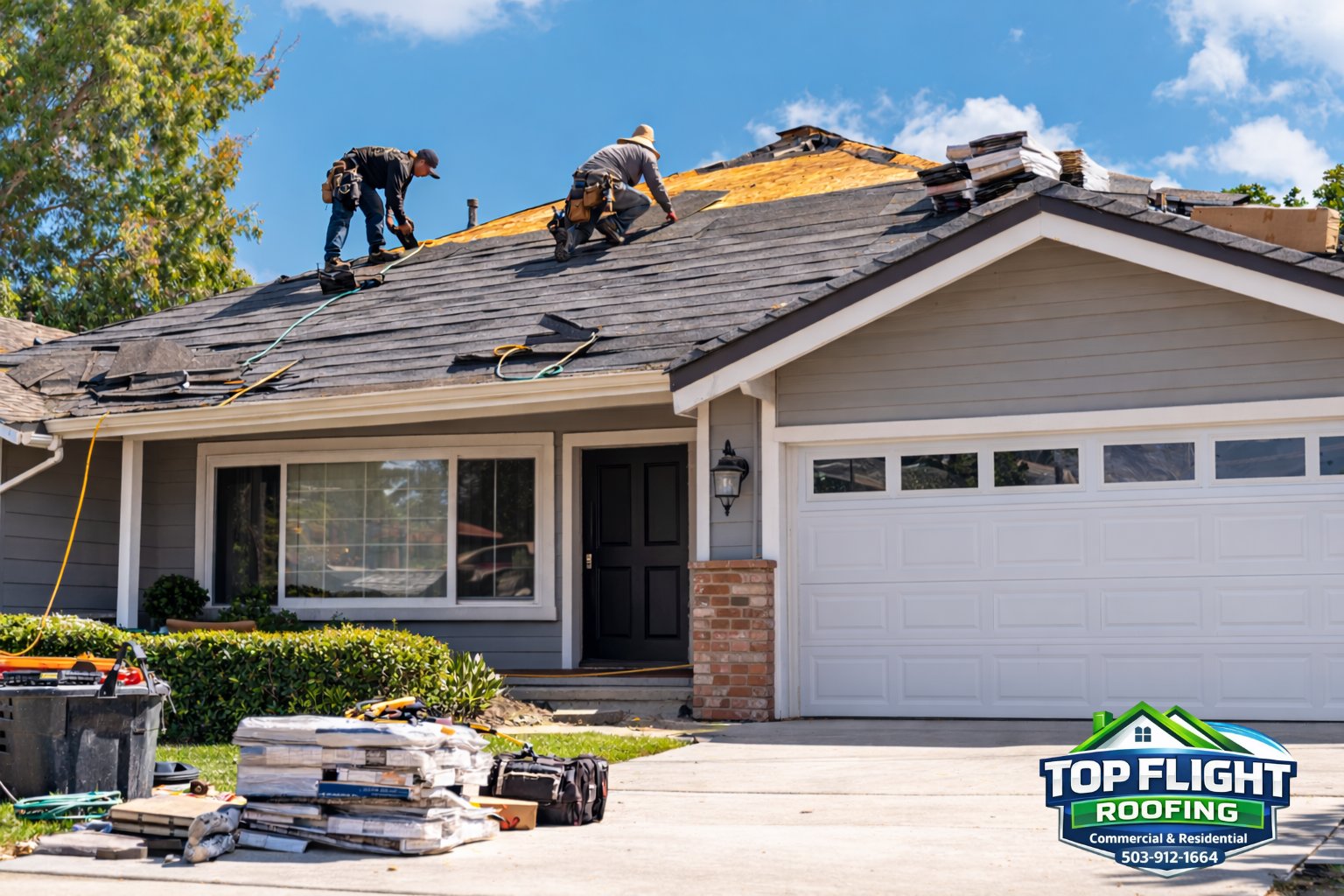
Sometimes inspections show that repairs aren't cost-effective because the roof has reached its service life. In these cases, replacement is the economical choice. Inspections help determine the right timing by documenting deterioration and identifying failing components.
Contractors can analyze lifecycles to help decide between continued repairs and replacement. For help with replacement planning, see our guide: How to Get Ready for Your Roof Replacement.
Practical Guidance: Preparing for and During an Inspection
How Homeowners Can Prepare
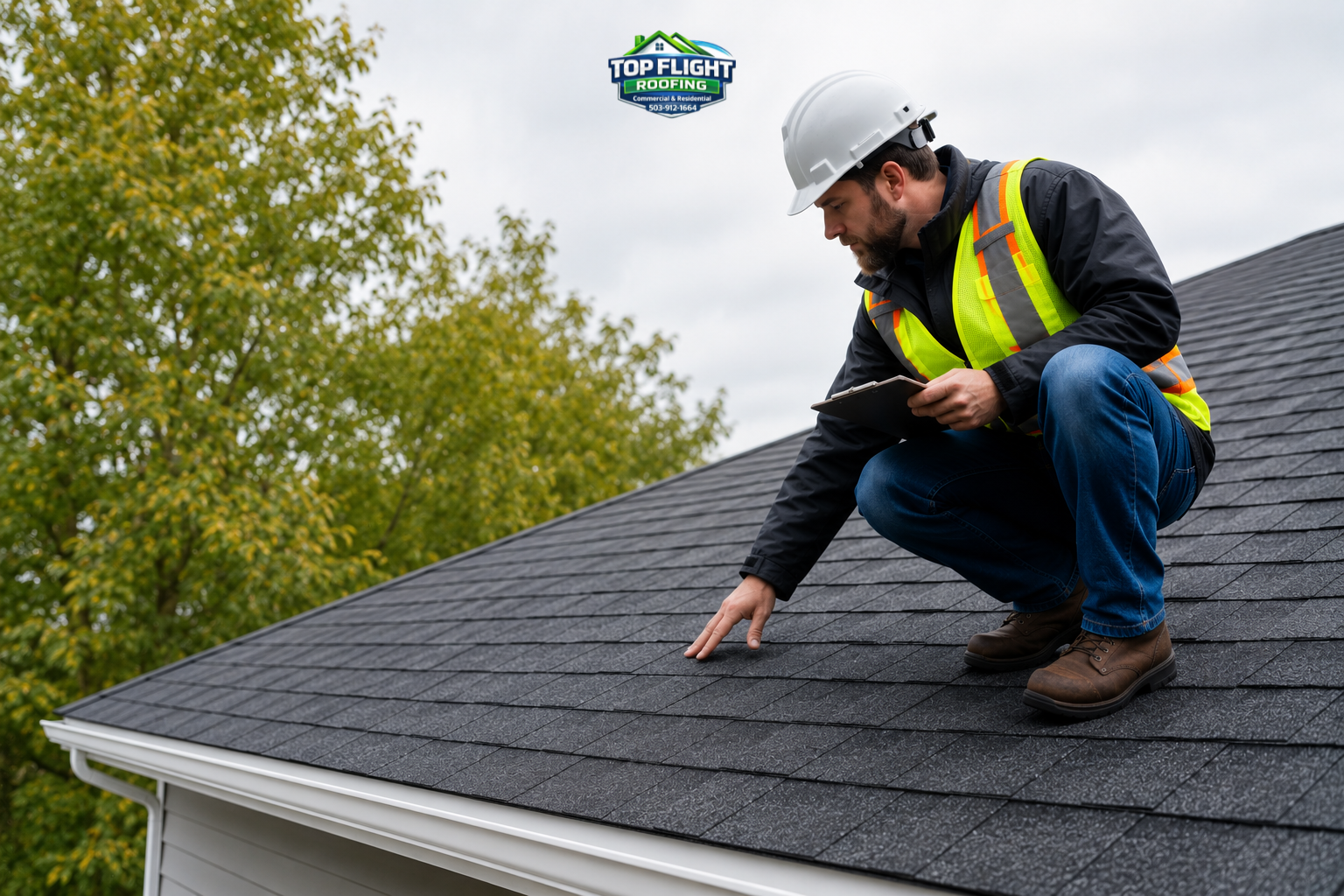
Preparing for an inspection helps contractors work efficiently. Clear loose debris, trim overhanging branches, and secure pets and furniture. Document any storm damage or leaks you’ve noticed. Provide attic access and inform the contractor of recent repairs or warranty work. Being organized improves report clarity.
What to Expect During a Professional Inspection
A typical inspection includes a visual survey from the ground, a hands-on roof assessment, attic checks, drainage inspections, and photos of findings. If drones or thermal imaging are used, the inspector will explain what they reveal. Expect a written report with findings, actions, cost estimates, and priorities.
Professional inspectors will discuss warranty implications and immediate steps to protect your property. Transparent communication and documented work plans are signs of a reputable contractor. If structural repairs are needed, we can coordinate work through our professional carpentry services.
Insurance and Documentation Tips
Good documentation is key to insurance claims. Keep inspection reports, photos, and contractor notes in a digital folder. After a storm, schedule an inspection promptly and avoid temporary repairs that might confuse insurance adjusters. A thorough pre-loss inspection history strengthens your case for damage claims.
Insurance may require proof of maintenance for certain claims, so regular inspections and stored records can affect claim outcomes. Verify coverage details and talk with your insurance agent about required documentation.
Frequently Asked Questions and Troubleshooting
How Much Does a Roof Inspection Typically Cost?
Inspection costs vary based on roof size, complexity, and tools like drones or thermal imaging. Residential inspections usually range from $150 to $400, depending on region and scope. Some contractors offer free inspections as part of maintenance agreements or during storm response. Ask about bundled options and promotions.
Inspection costs are small compared to potential emergency repairs and can often be credited toward recommended work. Discuss pricing and refund policies upfront.
Can I Perform My Own Roof Inspection Safely?
Homeowners can do preliminary checks from the ground and attic, but should avoid climbing on steep or fragile roofs. Use binoculars for ground-level surveys, check the attic for stains, and examine gutters for debris. For detailed assessments, hire a professional with the right safety gear and training.
Improper access can lead to injuries and damage. Safety and accurate diagnosis are reasons to use a licensed contractor for full inspections.
What Are the Most Common Problems Inspections Uncover?
Common issues include damaged or missing shingles, failed flashing, clogged gutters, ponding water, and inadequate attic ventilation or insulation. Early detection allows for repairs that prevent interior damage and maintain waterproofing.
Inspections also identify early signs of material fatigue, like granule loss on shingles or membrane shrinkage, so owners can plan replacements instead of reacting to emergencies.
Conclusion: Turning Inspection Insights into Long-Term Savings
Wrap-Up
Regular roof inspections are a cost-effective way to stop small problems from becoming big repairs. Twice-yearly inspections and checks after major weather events are recommended by organizations like the NRCA. Modern tools like drones and thermal imaging make inspections more accurate and less risky, while documented histories improve insurance claims.
Proactive maintenance through scheduled inspections helps stabilize repair budgets, extend roof life, and protect indoor assets and occupant health. Paired with prioritized repairs and a trusted contractor, inspections offer long-term value and risk reduction for property owners.
Next Steps
If you own or manage property in the Portland area, schedule a professional roof inspection with Top Flight Roofing LLC. Our experienced team provides thorough inspections, clear documentation, and affordable repair recommendations tailored to your roof and budget. For solutions that prevent recurring problems, we offer specialized services like shingle repair and installation, and maintenance packages with scheduled inspections.
Contact Top Flight Roofing LLC for a free consultation and estimate. Call (503) 912-1664, email info@topflightroofingllc.com, or visit our office at 111 SW 5th Ave, Portland, OR 97204. For seasonal prep tips, check out our guide on preparing for Portland’s rainy season: Preparing Your Roof for Portland's Rainy Season. Investing in inspections now can prevent expensive repairs later. Let's protect your roof together.
Further Reading
For more technical guidance and national standards on roof maintenance, consult industry and federal resources. The NRCA offers consumer advisories and technical bulletins on maintenance practices and inspection frequency: NRCA maintenance bulletin. For storm preparedness and recovery, FEMA’s resources explain safety best practices: FEMA. For a general overview of roofing systems, refer to the encyclopedia entry: Wikipedia: Roof.