What Is Roof Underlayment and Why Is It Important?
Roof underlayment is like the unsung hero of your roofing system. Even though it's hidden away, it plays a big role in keeping your home safe from the elements. You’ll find it sandwiched between the roof deck and the outer roofing material, acting as a barrier against water, wind, and unpredictable weather. If you're planning a roof replacement or just curious about how your roof protects your home, this guide will walk you through what underlayment does, why it’s essential, and how to pick the right one for lasting performance.
For anyone thinking about getting roofing installation services, knowing about underlayment is a must. It can make a huge difference in how long your roof lasts and how well it resists moisture. It works alongside other parts of your home, like roofing, insulation, and drainage systems. According to the U.S. Department of Energy, your roofing choices can really impact your home's energy efficiency, meaning these hidden layers are just as crucial as the visible ones.
Roof Underlayment Basics
What roof underlayment actually is
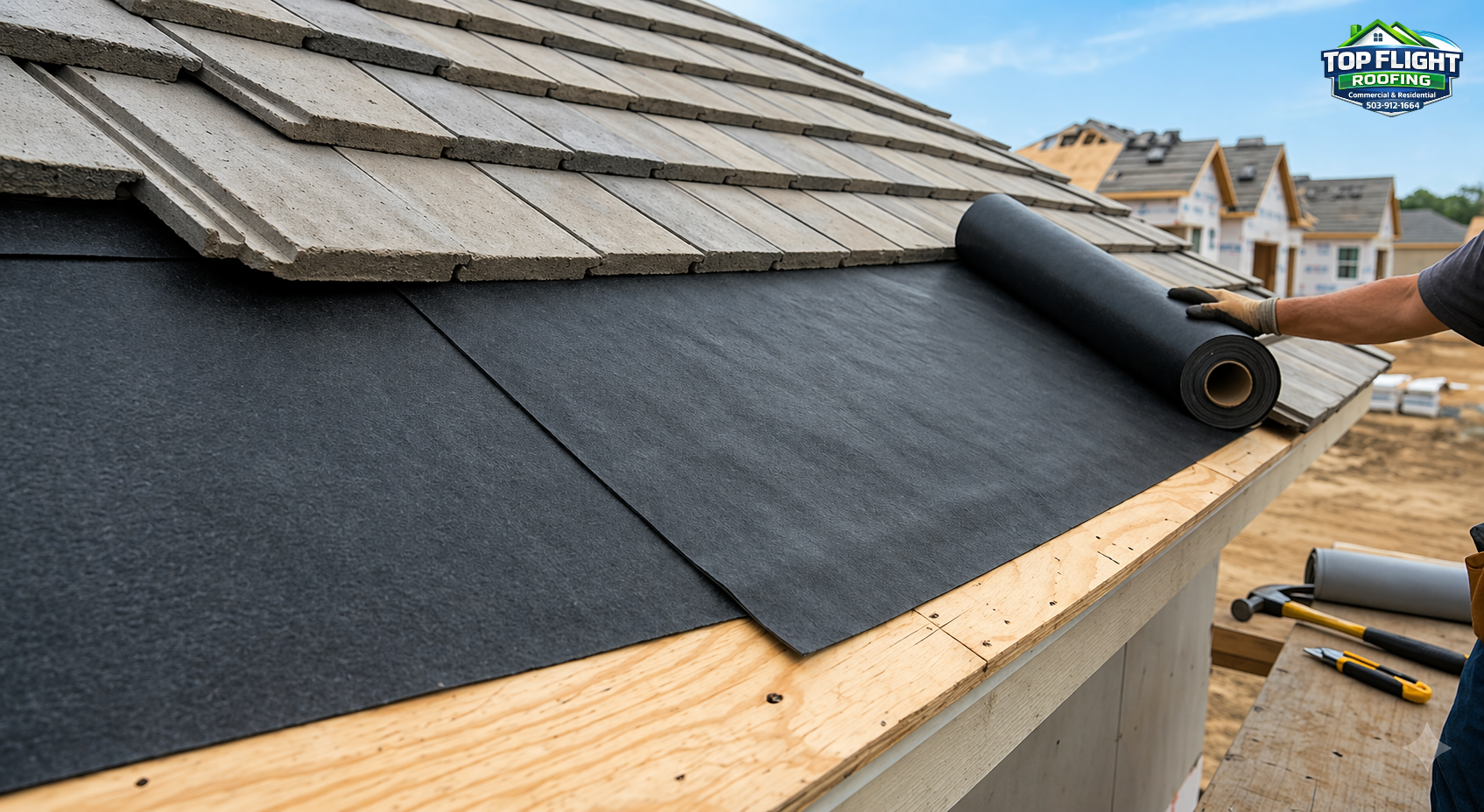
Roof underlayment is a membrane, either water-resistant or waterproof, that sits right on top of the roof deck. It acts as your second line of defense if moisture sneaks past your shingles, tiles, or metal panels. Even the best roofing materials face wind-driven rain, ice, snow, and debris, so underlayment gives you an extra layer of protection when the weather gets rough.
Think of it as your roof's insurance policy. If the top layer gets damaged or goes missing, underlayment buys you time before water can cause more damage. That’s why roofing experts consider it a key part of your roof, not just an optional add-on.
How it fits into the roof system
Your roof system is a team of layers working together: decking, underlayment, flashing, shingles, ventilation, and drainage. If one layer fails, the others step in to help. Underlayment is like the middle player, filling in the gaps and ensuring everything stays protected.
This is especially crucial in places with lots of rain and temperature changes. In these conditions, underlayment keeps the deck safe from long-term moisture, preventing issues like rot and mold. That’s why homeowners often team up roof work with shingle installation and repair or siding installation and repair for a stronger weather barrier.
Why Roof Underlayment Is So Important
Protection against leaks and moisture
Underlayment’s main job is to keep moisture out. If shingles crack or blow off, underlayment reduces the chance of rain reaching the roof deck. This is huge because moisture can cause serious damage long before you see it on your ceiling.
Moisture damage often starts quietly. Even a tiny bit of trapped water can weaken wood, hurt insulation, and lead to mold. For more on how small issues can turn into big repairs, check out our guide on how small roof leaks turn into major damage. The National Roofing Contractors Association also highlights the importance of proper roof layering in their resources at NRCA.
Defense during wind-driven rain and storms
Underlayment really shines when storms push rain in ways that can sneak under roofing materials. Even the best-installed shingles might not stop every drop in windy conditions. A good underlayment shields the deck in these cases, potentially saving you from costly water damage.
This is crucial for homes in areas with regular wet seasons, where the weather tests your roof over time. Homes with robust underlayment systems usually fare better during storms because they have an extra layer of protection. That’s why many roofers recommend it as standard rather than just an upgrade for extreme climates.
Support for energy efficiency
Underlayment can also help with energy efficiency, especially when paired with reflective or modern synthetic products. Some advanced membranes reduce thermal transfer, keeping attic temperatures stable, which can make your home more comfortable and ease the load on heating and cooling systems. The ASHRAE acknowledges the role of roofing in overall energy efficiency.
Energy savings depend on the whole system, not just one product. A sealed roof with proper insulation and ventilation helps reduce heat loss in winter and manage heat gain in summer. For those looking to improve comfort, it’s smart to look at underlayment along with insulation services and roof material upgrades.
Types of Roof Underlayment
Asphalt-saturated felt
Felt underlayment has been a go-to for decades and is still a common choice in many roofing projects. It’s made from a paper or fiberglass base soaked in asphalt for water resistance. It’s typically cheaper upfront but might not last as long or resist tearing like newer options.
Felt works well in certain situations, especially when installed correctly and covered by the final roof material quickly. But it can wrinkle, soak up moisture, and wear out faster if exposed to weather during installation. For these reasons, many contractors opt for more advanced materials when they want longer-lasting protection.
Synthetic underlayment
Synthetic underlayment has become a favorite for many contractors because it’s lightweight, strong, and very moisture-resistant. Industry research shows a shift toward synthetic materials, with reports indicating increased use in both residential and commercial projects. A market analysis from The Business Research Company notes the global market is growing as synthetic products become more popular.
Contractors like synthetic underlayment because it handles foot traffic better, doesn’t tear easily in windy conditions, and often installs more efficiently. It also holds up better during construction delays, making it a great choice for homeowners wanting strong performance and peace of mind.
Self-adhered membranes
Self-adhered or peel-and-stick membranes are used in vulnerable spots like eaves, valleys, skylights, and roof penetrations. They stick directly to the deck, creating a more watertight seal. These membranes are particularly handy in areas prone to ice dams or water backup and are a big advancement in modern roofing installation.
Because they don’t rely on fasteners like some other products, self-adhered membranes offer superior protection at high-risk points. They’re often part of a hybrid system with synthetic underlayment covering the rest of the roof. This approach often provides the best mix of cost, performance, and weather protection.
Current Trends in Roofing Underlayment
Growth in the market and demand for better materials
The roofing underlayment market has been booming recently, with reports predicting continued growth through the decade. A report from The Business Research Company suggests this growth is driven by the need for durability, moisture protection, and sustainable building demands. Another summary indicates the sector is set to grow as builders and homeowners seek better performance.
This growth isn’t surprising. As weather patterns become more unpredictable and homeowners become more aware of roof vulnerabilities, the demand for underlayment systems that do more than just the basics is rising. The market is responding with better technology, stronger membranes, and products designed for easier installation and longer life.
More attention to climate-specific choices
Roofing experts now often recommend choosing underlayment based on local conditions instead of one-size-fits-all solutions. In wetter areas, moisture barriers and self-adhered products are often key. In hot climates, reflective materials can help with thermal performance. In colder regions, ice and water protection is crucial.
This climate-focused approach is backed by practical experience and building science. For instance, homes facing persistent rain need stronger moisture defense, while snow-prone areas must address freeze-thaw cycles and ice dam risks. A good contractor will consider these factors before suggesting a system.
Installation efficiency and modern methods
Self-adhesive membranes and advanced synthetic products have changed how roofers work. These systems reduce the need for fasteners or torches, streamline installation, and improve consistency. Faster installation is valuable for both contractors and homeowners, especially when good weather windows are short.
That said, even the best products can fail if not installed correctly. Proper overlap, clean deck preparation, and flashing integration are crucial. Homeowners can learn more about the whole process in our article on what really happens during a roof replacement, which explains how underlayment fits into the bigger project timeline.
How to Choose the Right Underlayment
Match the product to the roof type.
Different roofing materials have different needs. Asphalt shingles, metal panels, tile, and low-slope roof systems each interact with underlayment in unique ways. A steep roof might shed water quickly, while a low-slope roof might need more waterproofing. The underlayment should support the roof’s shape and final covering.
Contractors also look at how long the roof is expected to last. It doesn’t make sense to install underlayment that wears out long before the outer roofing material does. Ideally, the underlayment should be durable enough to last for the full life of the roofing system or at least through the next major replacement cycle.
Consider climate and exposure.
Climate is just as important as roof type. Homes dealing with lots of rain, wind, or snow should use products designed for those challenges. In wet areas, focus on tear resistance and water protection. In hot places, heat tolerance and UV stability are key during construction.
For homeowners in wet regions, choosing underlayment should be part of a broader weather protection plan that includes flashing upgrades, attic ventilation improvements, and gutter maintenance. Our guide on how gutters protect your roof and foundation explains why drainage and roof protection must work together.
Work with an experienced contractor.
The best underlayment products still need skilled installation. Experienced roofing contractors know how to prep the deck, manage overlaps, secure edges, and protect vulnerable areas. They also know when to recommend stronger membrane protection near valleys, penetrations, and perimeter edges. This expertise is crucial when a roof has previous damage or signs of hidden deterioration.
For homeowners seeking reliable roofing installation or detailed repair work, it helps to choose a contractor with a proven track record and clear communication. An experienced crew will explain the tradeoffs between felt, synthetic, and self-adhered systems instead of pushing a single product for every home.
Underlayment and Portland’s Weather Challenges
Why moisture protection matters in wet climates
In rainy regions, roof underlayment is more than just a backup layer; it’s a core part of your defense strategy. Persistent moisture tests every seam, flashing detail, and roof edge over time. Without good underlayment, even small defects can quickly turn into major problems. That’s why homeowners in wet climates should prioritize underlayment rather than treat it as a minor detail.
For homes in Portland, seasonal rain and wind make roof performance especially important. This is why local roofers often recommend high-quality synthetic underlayment paired with ice and water barriers at eaves, valleys, and penetrations. The goal is simple: reduce the chances of moisture finding a way into the roof deck or attic space.
Local best practices for added protection
One of the most effective strategies is combining multiple layers of defense. A strong outer roofing material, properly sealed flashing, quality underlayment, and reliable guttering all work together. When these systems are coordinated, the roof can handle prolonged exposure more effectively and with fewer repair needs over time.
That’s why many homeowners choose to pair roof work with services such as gutter screening installation and shingle repair. The more efficiently water is shed away from the structure, the less strain the underlayment has to absorb during heavy rainfall.
Maintenance, Inspection, and Replacement Tips
How to tell when the underlayment may be failing
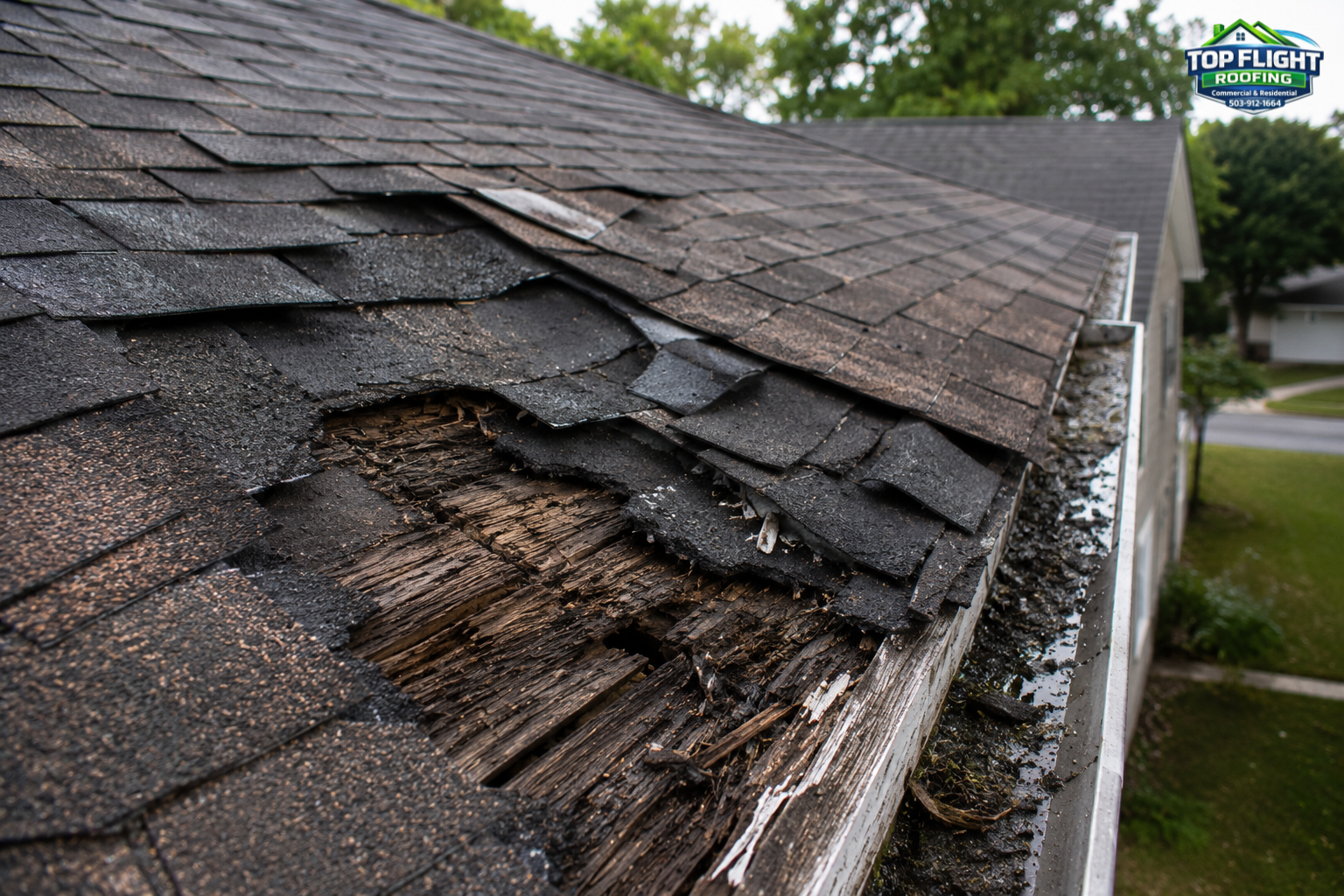
Most homeowners can’t see underlayment directly, but there are warning signs of trouble. Look for recurring leaks, stained ceilings, damp attic insulation, curling shingles, missing flashing, or roof deterioration after storms. If these issues pop up, the underlayment could be at risk.
Regular inspections can catch problems early. According to guidance from the National Association of Home Builders, proactive maintenance extends the life of building systems and cuts down on costly surprises. A simple roof check after major weather events can reveal whether the roof needs repair or a deeper evaluation.
How long underlayment last
The lifespan of roof underlayment depends on the material, installation quality, and exposure to weather. Felt might not last as long as synthetic alternatives, especially if exposed during construction or stressed by moisture. Synthetic products often last longer and resist breakdown better, though they still depend on proper installation and roof maintenance.
In many cases, underlayment can last 20 to 30 years or more when protected by quality roofing materials and maintained properly. However, no product should be expected to compensate for a failing roof surface, broken flashing, or poor drainage. Timely repairs are always the smarter investment.
When replacement is the smarter move
If a roof is nearing the end of its service life, it often makes sense to replace the underlayment along with the outer roofing material. This approach helps avoid patchwork solutions and gives the entire roof a fresh start. It can also prevent situations where a new shingle layer is installed over an outdated membrane that is already weakening.
For homeowners deciding between repair and full replacement, our guide to choosing between roof repair and replacement can help clarify the decision. When the underlayment is failing across multiple areas, full replacement is usually the more reliable and cost-effective long-term solution.
Frequently Asked Questions About Roof Underlayment
Is underlayment required on every roof?
Yes, in most modern roofing systems. Building codes and manufacturer requirements often call for some form of underlayment beneath the final roofing material. The exact type and coverage may vary depending on roof slope, material, and local code requirements, but leaving it out would make the deck far more vulnerable to water damage.
Can underlayment stop all leaks?
No roofing layer can guarantee zero leaks forever, but quality underlayment greatly reduces risk. It is designed to serve as a secondary moisture barrier, not a substitute for good installation or maintenance. If flashing, shingles, vents, or gutters fail, underlayment may slow damage, but it cannot fix every issue on its own.
Which underlayment is best for wet climates?
For wet climates, synthetic underlayment combined with self-adhered membrane protection in critical areas is often the best choice. This combination offers strong moisture resistance, good durability, and improved performance in storm conditions. A qualified contractor can recommend the best setup for your roof based on slope, materials, and exposure.
Conclusion: A Small Layer with a Big Job
Roof underlayment might be hidden, but it plays a huge role in protecting your home. It guards against leaks, supports energy performance, and helps the roof perform under pressure from wind, rain, and seasonal weather changes. Whether you are planning a new roof or evaluating an existing one, underlayment deserves serious attention because it directly affects how long the entire system will last.
If you want a roof that is built to last, work with a contractor who understands how every layer contributes to performance. Top Flight Roofing LLC has decades of experience helping homeowners choose the right materials and installation methods for reliable results. If you are ready to protect your home with expert guidance, explore our roofing installation services, review our roof inspection tips, and contact our team for a free consultation and estimate. Your roof is only as strong as its hidden layers, and the right underlayment can make all the difference.