Expert Guide to How Small Roof Leaks Turn Into Major Damage
Small roof leaks might seem like a minor annoyance, but they can quickly escalate into bigger problems. It often starts with a faint stain on the ceiling, a musty smell, or a few drips during a storm. Before you know it, you might be dealing with structural damage, mold, insulation issues, and costly repairs. Whether you’re a homeowner or run a business, knowing how roof leaks can worsen is key to protecting your space, keeping it comfortable, and avoiding unexpected bills. If you need help with roofing installation and repair, acting early is always the smartest choice.
Industry experts stress taking action as soon as a leak is noticed. Waiting allows water to seep through the roof system in ways you can’t immediately see. Water can travel along rafters, underlayment, and wall cavities before you even notice it inside. According to U.S. EPA mold guidance, controlling moisture is crucial since mold can start to form soon after water intrusion. Pairing regular inspections with routine roof checks is a smart strategy for staying ahead of potential problems.
Why Small Roof Leaks Escalate So Quickly
Water rarely stays where it starts.
Many people think a roof leak will cause damage only at the entry point. In reality, gravity, airflow, and building materials help water move far beyond the original leak. A leak over a bathroom might cause a stain in the hallway, or a leak near the ridge might travel down framing members before becoming noticeable. This makes it tricky to diagnose, highlighting why a professional assessment is crucial.
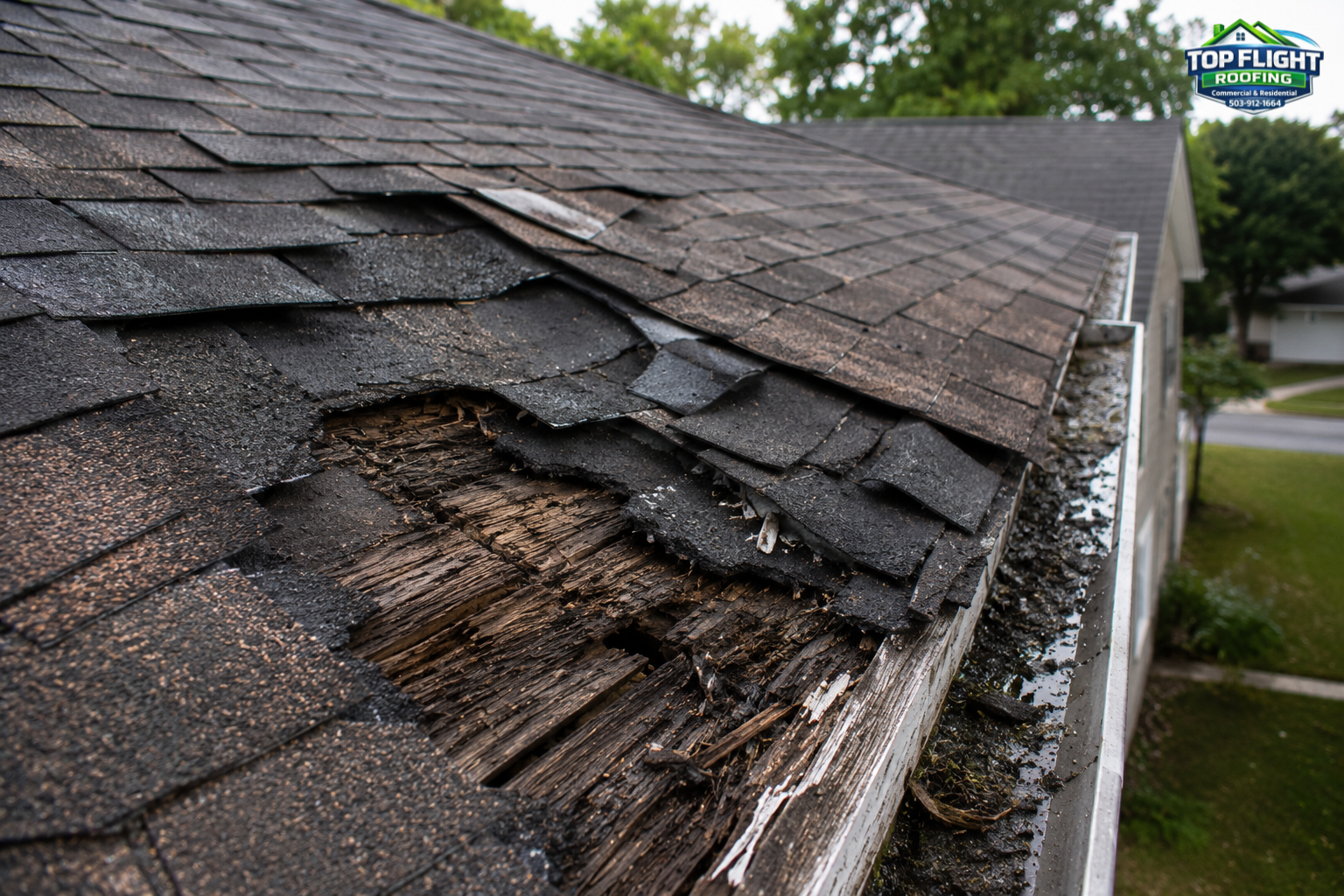
Roof assemblies are made of layers, and each one has a job. Shingles or panels shed water, underlayment gives a second barrier, flashing seals transitions, and decking supports the structure. When one part fails, water can skip past several protective layers before you even see it. If shingles get damaged, a skilled technician might suggest shingle installation and repair to restore moisture protection.
Moisture creates a chain reaction.
Once water gets into the roof system, it starts a chain reaction affecting almost every part of the building. Wet insulation loses its ability to keep your home warm or cool, wood absorbs moisture and weakens, and fasteners can corrode over time. The longer the leak goes on, the more likely repairs will extend beyond the roof and into drywall, framing, or interior finishes. That’s why even a small drip shouldn't be brushed off as just a cosmetic issue.
Experts also point out that even a single missing shingle can be surprisingly serious. During a moderate rainstorm, that small gap might let several gallons of water into the roof system. Over time, repeated wetting and drying cycles worsen the damage, especially in rainy climates. If you live in a wetter area, proactive steps like gutter screening installation and routine maintenance can make a noticeable difference.
The Hidden Damage Most Property Owners Miss
Structural deterioration often happens out of sight.
Wood framing, roof decking, and fasteners are all at risk when exposed to moisture for a long time. When water keeps reaching these materials, the wood may soften, warp, or rot, while metal components can weaken through corrosion. In severe cases, the roof can lose its structural integrity long before you see dramatic signs inside. That’s why visible ceiling stains are usually the last stage of a leak, not the first.
Ongoing moisture can also affect nearby systems like siding and wall assemblies. If water runs down exterior walls, it might damage sheathing or create openings around penetrations. In these situations, coordinated exterior repairs might involve siding installation and repair, along with roof work. The goal is not just to patch one leak but to restore the whole building envelope.
Mold can become a health and remediation issue.
Mold growth is one of the most serious consequences of hidden roof leaks. Once moisture gets to attic insulation, drywall, or framing, mold can start forming within 24 to 48 hours under the right conditions. This creates both property damage and potential health problems for anyone living there, especially those with allergies or respiratory issues. The CDC explains that damp environments support mold growth, making a quick response essential.
When mold is already present, repairs might need to include drying, removing contaminated materials, and professional remediation. That can be much more expensive than fixing the leak early. Homeowners who notice a persistent musty smell, dark spots in the attic, or recurring stains should act quickly before the problem gets worse. At that point, it’s often cheaper to handle the leak right away than to wait for a bigger restoration project.
Energy efficiency drops when insulation gets wet.
Wet insulation compresses and loses much of its ability to keep heat in or out. So, a leak doesn't just threaten structure and health; it can also increase energy use. Heating and cooling systems have to work harder when insulation is compromised, which can lead to higher utility bills and less consistent indoor comfort. In commercial buildings, this can become a significant operating expense if leaks are left unresolved.
Since insulation damage is often invisible from living spaces, many property owners don’t connect rising energy bills to a roof leak. However, attic inspections frequently reveal damp or deteriorated insulation long after the leak began. If energy efficiency is a concern, consider pairing repair work with roofing insulation improvements so the building can regain both performance and protection.
Early Warning Signs You Should Never Ignore
What to look for inside the building
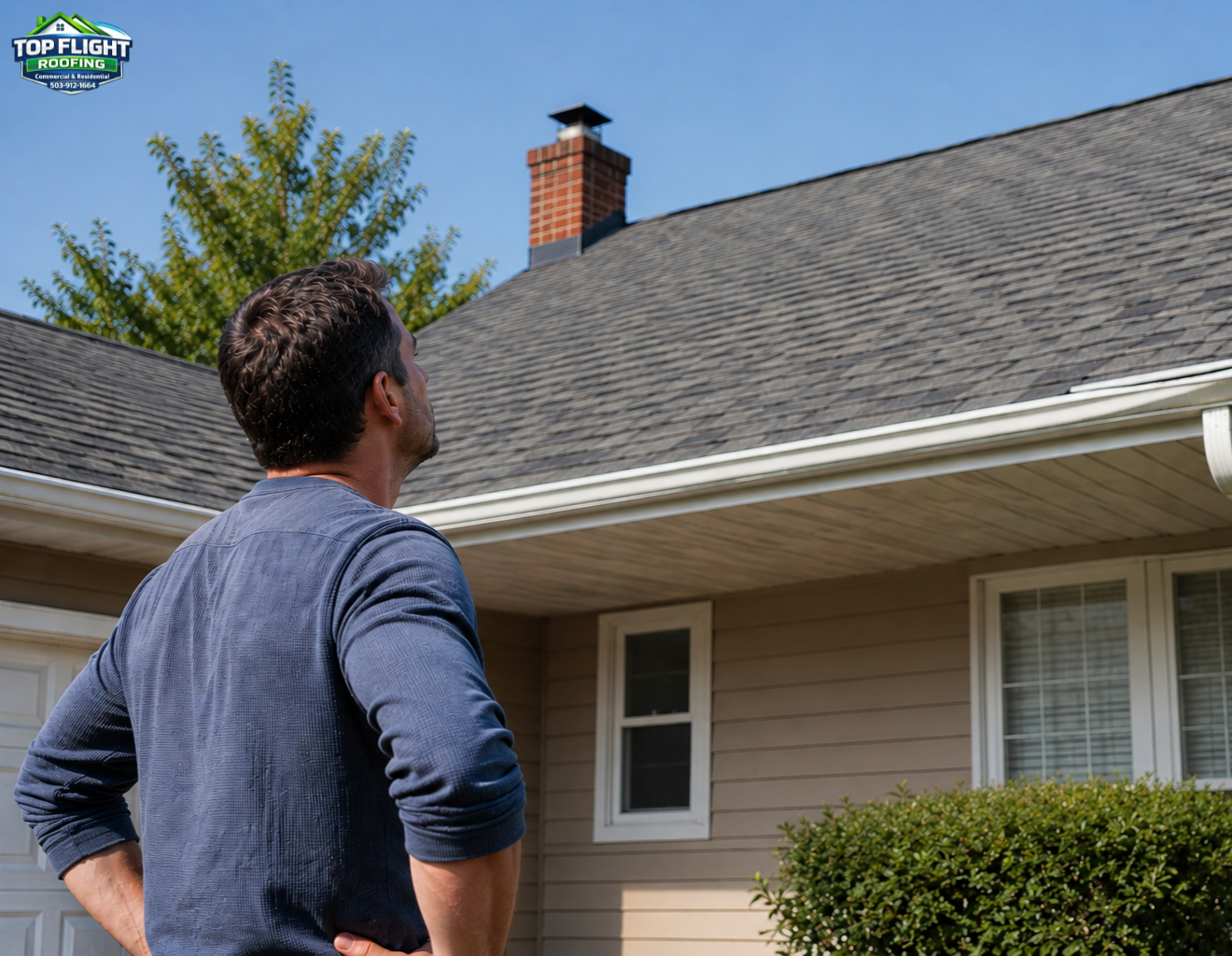
Small leaks usually announce themselves in subtle ways before major damage appears. Look for water stains on ceilings, bubbling paint, peeling drywall tape, or soft spots near corners and light fixtures. A musty smell can also be a strong indicator of hidden moisture, especially in attics and upper floors. If a stain changes size after rainfall, that’s a major clue that the roof system is still letting water in.
It’s important to inspect more than just the obvious leak location. Water may show up several rooms away from the entry point because it can travel along framing and insulation. Homeowners can reduce the chance of missed warning signs by checking attics after storms and keeping a record of where stains appear. For a deeper overview of what damage looks like early on, see spotting roof damage early.
What to look for outside the building
Exterior warning signs are just as important. Missing shingles, cracked flashing, loose vents, damaged sealant, clogged gutters, or standing water on low-slope sections can all contribute to leaks. In rainy climates, even minor defects can become active entry points after repeated storms. If your roof has visible wear, a professional inspection can help determine whether the issue is isolated or part of a larger pattern of aging.
Many roof leaks begin around common vulnerability points such as chimneys, skylights, valleys, and plumbing penetrations. These transitions require precise sealing, and they tend to fail first when a roof has aged or shifted. When damage is connected to age, weather, or previous patchwork, the right solution may range from a targeted repair to a broader system update. In some cases, it helps to review whether a repair or a larger project is the better long-term choice through repair versus replacement guidance.
How Roof Leaks Affect Homes and Businesses Differently
Residential properties face comfort, safety, and resale concerns.
For homeowners, a roof leak can damage ceilings, walls, flooring, furniture, and personal belongings. It can also make the home less comfortable by reducing insulation performance and increasing humidity. If the problem persists, buyers may see evidence of past water intrusion during a sale, which can affect property value and negotiation power. A leak that seems small today can become a major financial issue during an inspection later.
Residential owners also face the emotional burden of uncertainty. Nobody wants to wonder whether the next storm will lead to new stains or more hidden damage. A professional roofing plan brings peace of mind, especially when the fix is completed before interior restoration becomes necessary. If your home needs a durable system solution, explore roofing installation and repair from a trusted contractor with experience in local weather conditions.
Commercial buildings risk downtime and asset loss.
For business owners, the risks multiply because a leak can interrupt operations, damage inventory, and create safety concerns for employees and customers. Ceiling leaks in offices, retail spaces, warehouses, and multifamily properties may also trigger liability issues if slips, electrical problems, or mold exposure occur. In commercial settings, even a modest leak can lead to losses that exceed the cost of prompt roof service.
Businesses benefit from scheduled maintenance because they often cannot afford the operational impact of emergency repairs. Routine inspections, drainage checks, and prompt sealing at penetrations can prevent a relatively minor issue from affecting workflow. When a roof begins showing signs of recurring problems, a maintenance plan paired with expert evaluation is usually the safest route.
Real-World Example: How a Small Leak Became a $10,000 Problem
The progression from minor drip to major restoration
Consider a homeowner who noticed a small stain near an upstairs ceiling after a storm. Because the stain was not actively dripping, they decided to wait until the weather improved. Over the next few months, the leak slowly worsened, water reached the attic insulation, and mold began forming around the damaged area. By the time the roof was opened for repairs, the decking had deteriorated, and multiple interior surfaces needed replacement.
This type of scenario is common because the signs seem manageable at first. In one industry example, a homeowner who ignored a small leak ultimately faced a repair bill of around $10,000 once structural work, mold remediation, and interior restoration were added. That figure illustrates why waiting is expensive: the original roof defect may have been modest, but the final project included far more than a simple patch.
Why is the true cost always higher than the first symptom
The first symptom of a leak is rarely the full cost of the problem. By the time damage becomes visible indoors, the roof assembly may already have been compromised for weeks or months. That means a repair estimate should account for hidden moisture, possible decking replacement, insulation drying, and interior restoration. Acting early reduces the number of systems affected and keeps the final bill manageable.
This is also why experienced contractors focus on diagnosis, not just patching. A strong repair starts with identifying the entry point, checking adjacent materials, and confirming that water has not migrated elsewhere. If your roof already shows recurring issues, a professional inspection can help determine the most cost-effective path forward and prevent repeated service calls.
Best Practices for Prevention and Maintenance
Schedule inspections before and after severe weather
Regular inspections are one of the simplest ways to prevent major roof damage. A seasonal check can reveal missing shingles, failing sealants, clogged drains, and early signs of wear before they become urgent. After heavy rain, wind, or snow, inspections are especially useful because weather events often expose small weaknesses that were not obvious before. For property owners who want to stay proactive, preparing your roof for the rainy season is a practical first step.
The National Roofing Contractors Association emphasizes ongoing maintenance as a key part of roof performance, especially in regions where moisture and storms are frequent. Preventive work is usually less costly than emergency repairs and helps extend the lifespan of the roof system. That is particularly important when a roof has already aged or when previous repairs need to be verified.
Keep drainage systems clear and functional.
Good drainage protects the roof from standing water, overflow, and moisture intrusion. Gutters, downspouts, and drainage paths should be checked regularly so water can move away from the building instead of backing up under shingles or flashing. Clogged gutters are a common contributor to roof leaks because overflowing water can seep into fascia boards, siding, and wall cavities. If water management has been a recurring issue, gutter screening installation can help reduce debris buildup and support better drainage.
This is especially important in rain-prone climates where roofs are exposed to frequent moisture. Consistent drainage maintenance reduces stress on roof edges and minimizes the chance of water finding a path into vulnerable transitions. Combined with roof cleaning and routine checks, it creates a much more resilient system.
Use professional repairs instead of temporary fixes.
Temporary sealants and quick patches may seem convenient, but they often hide the real issue rather than solve it. Roofing problems can involve overlapping materials, flashing transitions, and hidden moisture, which makes correct repair more complex than a surface-level fix. A professional roofing contractor can assess whether the damage is localized or whether surrounding components also need attention.
When the repair includes structural components, experienced carpentry support may be needed to restore framing or decking. In those cases, using professional carpentry services alongside roofing work can ensure the repair is complete and durable. The best long-term result is not just stopping the leak, but restoring the entire affected area correctly.
Why Portland Property Owners Should Pay Extra Attention
Frequent rain increases roof risk.
Roof leaks become more likely when a property is exposed to repeated rainfall and damp conditions. In a climate like Portland, OR, even a small defect can be tested again and again by wet weather. That means minor weaknesses are less likely to dry out and more likely to spread. For homeowners and businesses in the region, routine inspections are not optional; they are part of responsible property care.
Humidity and persistent moisture also make mold and rot more likely once water gets inside. When materials remain damp for long periods, the damage compounds and repairs become more extensive. This is why local property owners should take small warning signs seriously instead of waiting for a visible emergency.
Local expertise helps prevent repeat problems.
Working with a contractor who understands regional weather patterns, roof types, and common failure points can make a major difference. Local knowledge helps identify where leaks are most likely to begin and which materials perform best under frequent rain. For many property owners, that kind of experience is the difference between a short repair and a recurring problem.
Top Flight Roofing LLC has over 30 years of roofing experience serving the Portland area, and that background is valuable when diagnosing subtle water intrusion issues. Whether the project involves targeted leak repair, preventive maintenance, or a larger exterior upgrade, the right local expertise can protect the property for years to come. For property-specific guidance, consider reviewing service options and requesting a professional estimate before the damage spreads.
What To Do the Moment You Suspect a Leak
Take immediate, practical steps.
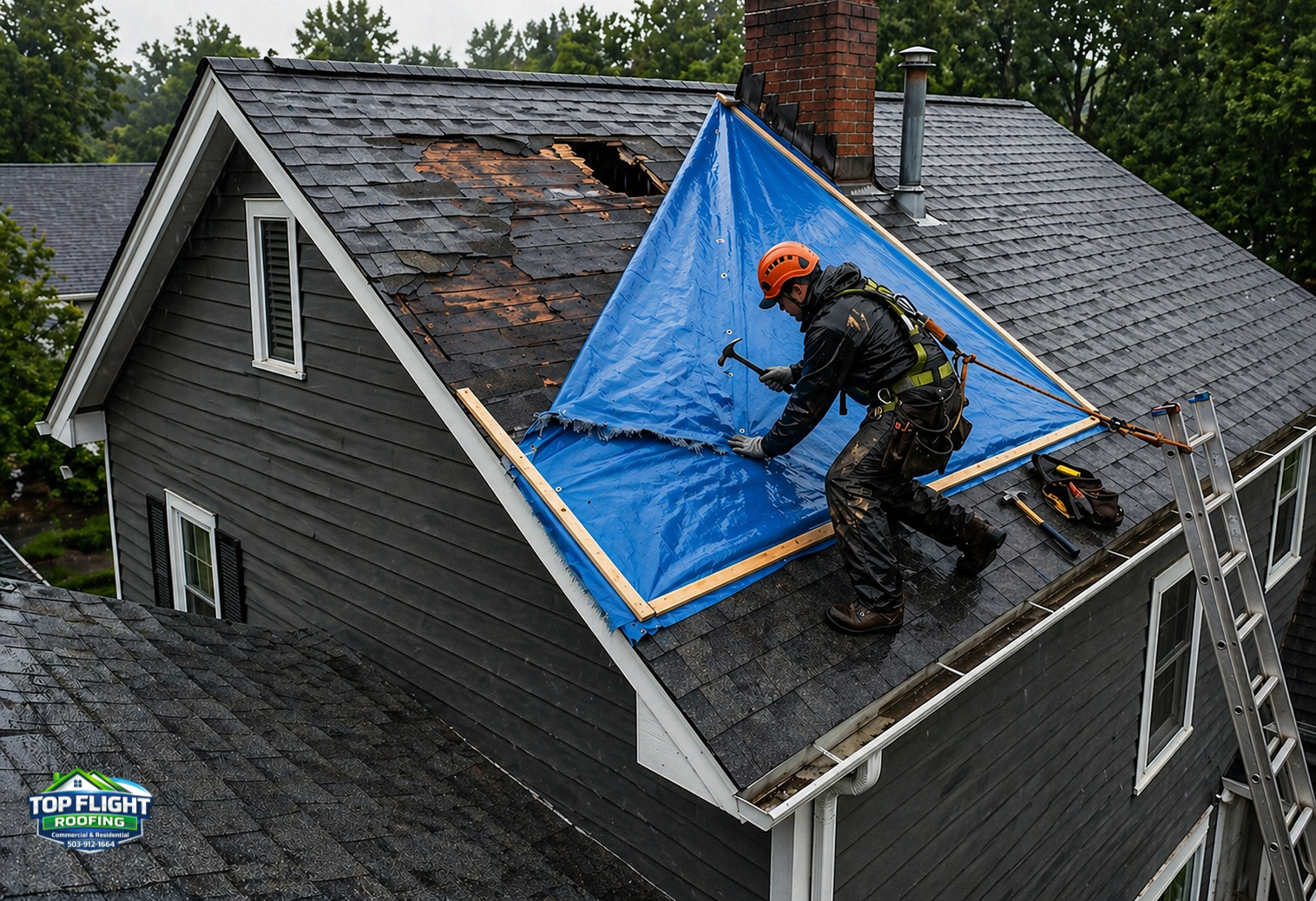
If you suspect a leak, start by documenting the signs, including stains, drips, smells, and any recent weather events. Then, protect interior belongings and reduce exposure to moisture where possible. If water is actively entering the space, place containers to catch drips and avoid disturbing wet ceiling materials, which may collapse if they become saturated. A prompt response can reduce both safety risks and repair costs.
Next, schedule a professional roof assessment as soon as possible. Even if the leak seems minor, a contractor can inspect the roof surface, attic, flashing, and nearby materials to identify the full scope of the issue. In many cases, the inspection reveals that the problem is larger than expected, which is valuable information before the damage spreads.
Do not wait for the next storm.
Waiting for the next rainstorm to “see what happens” is one of the most expensive decisions a property owner can make. Water intrusion usually gets worse under repeated weather exposure, and every delay increases the chance of hidden damage. If the leak is affecting insulation, wood, or interior finishes, the clock is already working against you.
Timely action also helps preserve your options. A smaller repair is easier to schedule, less disruptive, and more affordable than emergency restoration after the roof system fails. If you want a professional review, a trusted contractor can help determine whether the issue is a simple repair or part of a broader roof maintenance plan.
Final Thoughts: Small Leaks Deserve Big Attention
The bottom line for homeowners and businesses
Small roof leaks are rarely small for long. Water migration, mold growth, structural deterioration, and insulation damage can turn a minor issue into a major financial burden if it is ignored. The good news is that early action dramatically reduces the risk of widespread damage and keeps repairs far more manageable. A stain, smell, or drip is not something to put off; it is a signal to act.
Whether you own a home or manage a commercial building, consistent roof maintenance is one of the best ways to protect your property. If you want to prevent small issues from becoming major damage, start with a professional inspection, keep drainage systems clear, and repair problems as soon as they appear. To learn more about staying ahead of roof problems, explore our roofing protection guide and connect with a trusted team that understands how to stop leaks before they spread.
Ready to protect your property?
If you have noticed signs of a leak or want to prevent one before storm season, Top Flight Roofing LLC is ready to help. We provide reliable roof repair, maintenance, and exterior solutions designed to protect your building and your budget. Contact our team today for a free consultation and estimate, and get the peace of mind that comes from addressing roof problems early.
Top Flight Roofing LLC
111 SW 5th Ave, Portland, OR 97204, USA
(503) 912-1664
info@topflightroofingllc.com
For additional technical guidance on moisture control and roof performance, you can also review the National Roofing Contractors Association and the U.S. Department of Energy’s insulation resources. Those references can help you better understand why prompt leak repair and good insulation work hand in hand to protect your property.