How Quality Roofing Protects Your Home Year-Round
Your home's roof isn't just there for looks; it's your main defense against the weather. This is especially true in areas like the Pacific Northwest, where rain, temperature changes, and winter storms are part of life. A good roof is crucial. Whether you're thinking about repairs, replacements, or just extending your roof's life, knowing what makes a roof work well can help you avoid surprise costs and keep your home cozy.
Choosing a professional roofing installation can make all the difference. The right materials, careful installation, and regular check-ups work together to keep water out and save energy. To get a bigger picture, the U.S. Department of Energy has info on how reflective roofs can cut heat, and the Federal Emergency Management Agency offers tips on weather-proofing your home. It's clear that roofing is about more than just shingles; it's about resilience.
Why Quality Roofing Matters in Every Season
Beating Moisture, Wind, and Temperature Changes
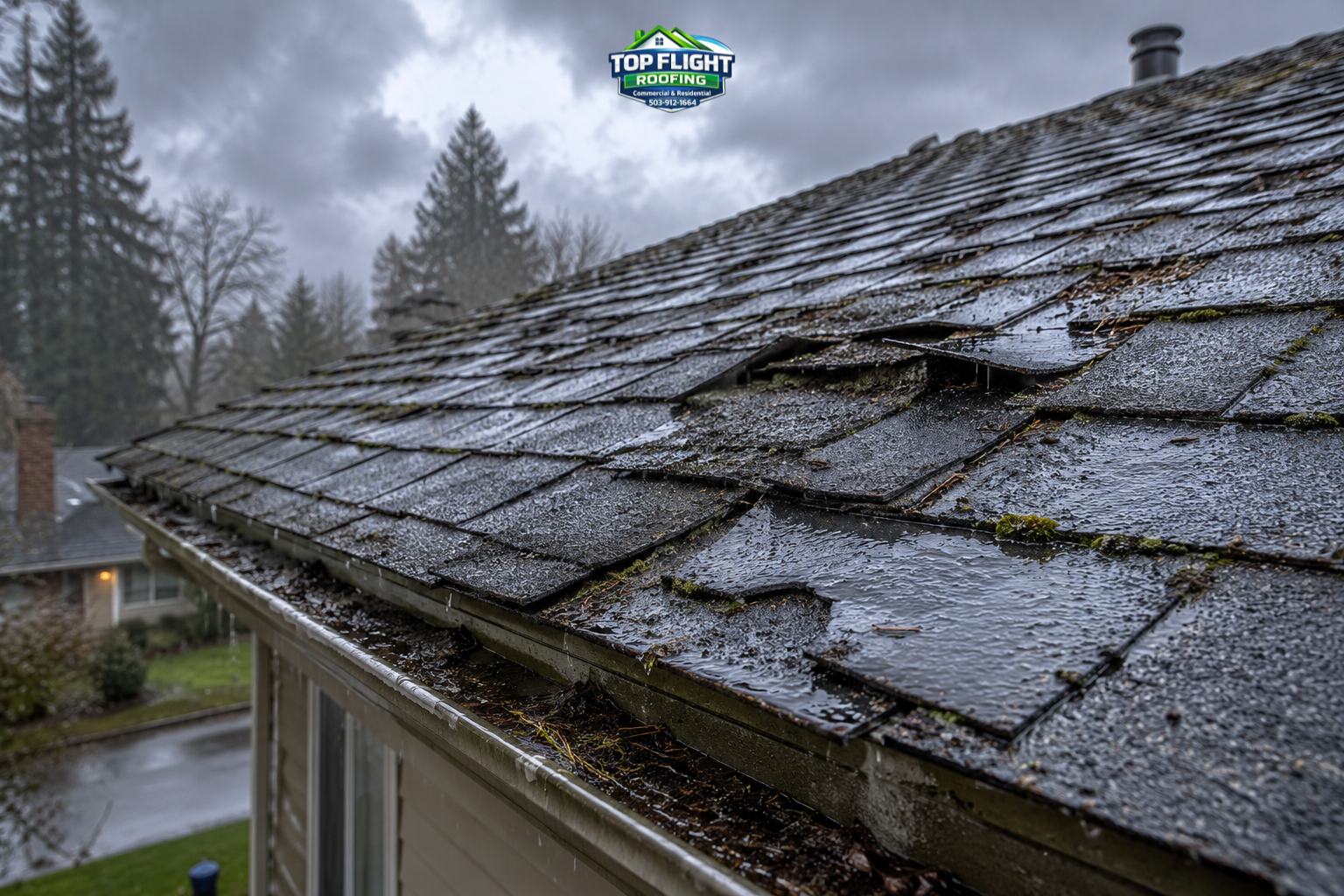
Your roof is your first line of defense against rain, wind, and temperature swings. When your roofing materials are installed correctly, they keep water out and stop leaks, rot, and mold. In rainy places, even a small flaw in the flashing can let moisture into your home.
Temperature changes can also take a toll. Roofing materials that expand and contract can crack or loosen if they're not up to par. That's why strong materials and skilled installation matter. A roof built to handle the seasons will last longer and need fewer repairs.
Keeping Your Home's Structure Safe
Your roof does more than just keep out rain. It protects everything from the framing to the foundation by managing water and heat flow. If water gets into your roof, it can travel down and cause hidden damage that's costly to fix later.
That's why many folks team up roofing upgrades with gutter screening installation or siding installation and repair. When the whole exterior works together, water is safely directed away, cutting the risk of leaks and damage.
The Latest Roofing Trends and What They Mean for Homeowners
Cool Roofs and Energy Efficiency
Energy-efficient roofing is on the rise. Cool roofs reflect more sunlight and absorb less heat, which can help lower attic temperatures and ease the strain on cooling systems, especially in warm months. Not every home needs the same solution, but energy-conscious choices are popular because they keep homes comfy and save money.
Homeowners curious about performance improvements might also consider roofing insulation as part of the mix. Insulation and roofing materials work together to regulate indoor temperatures. The U.S. Department of Energy highlights how reducing heat transfer can save energy, especially when paired with good attic ventilation.
Impact-Resistant Shingles and Enhanced Protection
Impact-resistant shingles and stronger underlayments are getting attention for their ability to withstand debris, heavy rain, and wind. These aren't magic solutions, but they add durability for those seeking long-term value.
If you're interested in learning more, check out our article on why underlayment matters more than shingles. Often, what's beneath the surface can make the difference between a roof that just looks good and one that performs well over time.
How Quality Roofing Helps Lower Long-Term Costs
Fewer Emergency Repairs and Less Hidden Damage
While roofing may seem like a high upfront cost, quality materials can save money by reducing repairs and extending the roof's life. Research shows that premium materials can last over 30 years with good maintenance, while cheaper options might only last 10 to 15 years. That difference can significantly change the true cost of ownership.
A well-built roof also reduces the risk of secondary damage. A small leak can damage drywall, framing, insulation, and flooring, turning a minor repair into a major project. If you're unsure whether you need a repair or replacement, our guide on choosing between roof repair and replacement can help you decide.
Better Energy Performance Over Time
A quality roof improves energy efficiency, too. Roofing materials that reflect sunlight and control heat transfer work with attic insulation to reduce the burden on your HVAC system. This keeps your home comfortable with less energy waste, especially during temperature changes.
Plus, long-lasting roofs mean less frequent replacements, saving on material disposal and labor costs. The National Association of Home Builders emphasizes how durable and efficient construction choices support value and sustainability. Roofing is a prime example of this.
What Expert Installation Really Means
Precision at Every Layer
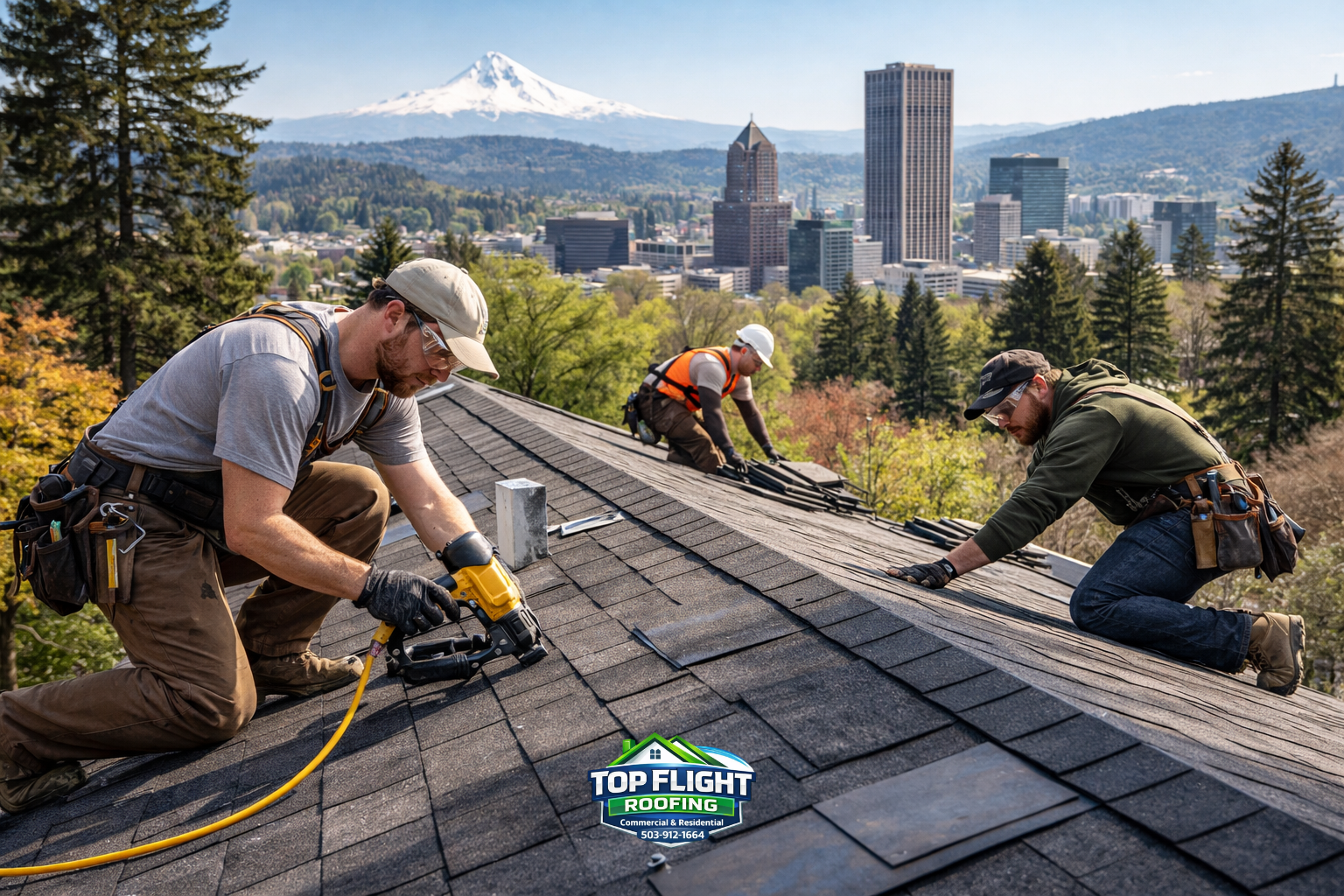
Even the best materials can fail if not installed properly. Expert installation is more than just nailing shingles. It involves deck preparation, flashing around chimneys and valleys, ventilation, and aligning every component correctly. These details help the roof shed water correctly and endure years of weather.
This is why experienced contractors focus on both visible and hidden details. A thorough installation includes proper underlayment, sealed penetrations, and smooth transitions at roof edges. If you're curious about the process, our step-by-step roof replacement guide can walk you through it.
Why Workmanship Affects Warranties and Lifespan
Many product warranties depend on proper installation. If flashing is done wrong or ventilation is lacking, a warranty might not cover the damage. This makes workmanship just as important as the materials themselves. Homeowners who choose professional installation gain peace of mind knowing the system is less likely to fail due to avoidable errors.
Experienced contractors also adapt plans to a home's structure. Older homes might need deck repairs or improved ventilation before new materials go on. A careful contractor won't rush these decisions.
Roof Maintenance: A Habit That Extends Roof Life
Yearly Inspections and Post-Storm Checks
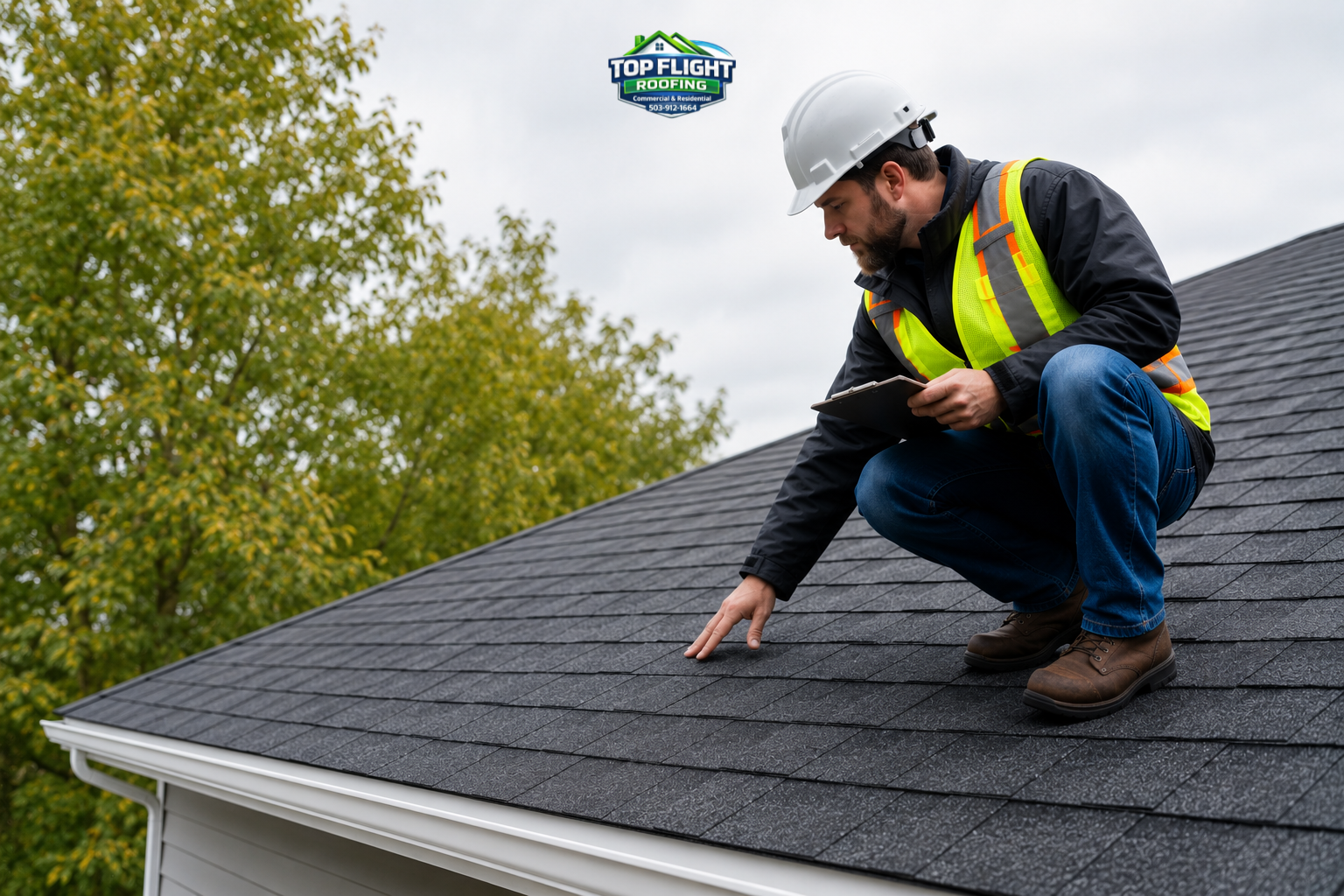
Routine maintenance is a simple way to protect your roof investment. Experts recommend inspecting your roof at least once a year and after major storms to spot damage early. A trained eye can find missing shingles, loose flashing, soft spots, and signs of aging that aren't visible from the ground.
If you're looking for a practical guide, check out our article on saving money with regular roof inspections. Catching small issues early is usually cheaper than fixing bigger problems later.
Keeping Gutters, Downspouts, and Roof Edges Clear
A roof can't work well if water has nowhere to go. Clogged gutters and downspouts can cause water to pool at the roof's edge, leading to leaks and rot. Regular cleaning is essential because roofs rely on clear water paths.
For more on how drainage protects your roof, see our guide to how gutters protect your roof and foundation. Drainage issues often cause recurring roof damage, and keeping gutters clear helps protect both the roof and the foundation below.
Choosing the Right Roofing Materials for Your Climate
Asphalt Shingles, Metal Roofing, and Moisture Resistance
For many homes, asphalt shingles are practical because they balance cost, look, and performance. In wetter climates, though, it's important to choose shingles and accessories that resist moisture well. Metal roofing is another great option for durability and water-shedding performance.
When picking roofing materials, consider the environment around your home. Trees, slope, wind exposure, ventilation, and insulation all affect performance. The best choice isn't always the most expensive; it's the one that fits your home's design and local weather.
How Local Experience Helps
Local contractors often provide better advice because they understand regional weather patterns. In a place like Portland, where managing moisture is key, a contractor's experience can guide you toward materials and details that work best here. That local knowledge matters when choosing flashing systems and ventilation methods.
If you're comparing roof styles, check out our flat roof vs. pitched roof comparison. Different roof shapes affect drainage and maintenance, so the right choice depends on your home and goals.
A Real-World Example of Smart Roofing Investment
Quality Work Pays Off Over Time
Companies with long track records show the value of consistent workmanship. In the Portland area, firms with decades of service prove that homeowners value durable roof systems backed by attentive service. A reliable local company usually develops effective methods for handling common challenges like heavy rain and storm cleanup.
That's why many folks choose trusted local teams over quick, low-cost fixes. A roof is a long-term investment, and the quality of installation affects its entire lifespan. Better materials, labor, and maintenance often lead to fewer headaches and better resale value.
When Emergency Service Is Essential
Storm damage can strike suddenly, and even the best roofs sometimes need urgent repairs. Quick response matters. Emergency tarping, leak control, and temporary fixes can stop a bad situation from getting worse.
It's wise to work with a contractor offering both preventive service and responsive repairs. Homes that get prompt attention after storms are less likely to suffer more damage. If your roof needs help after bad weather, professional roofing installation and repair can restore protection before more rain hits.
How to Know When It's Time for Action
Warning Signs You Shouldn't Ignore
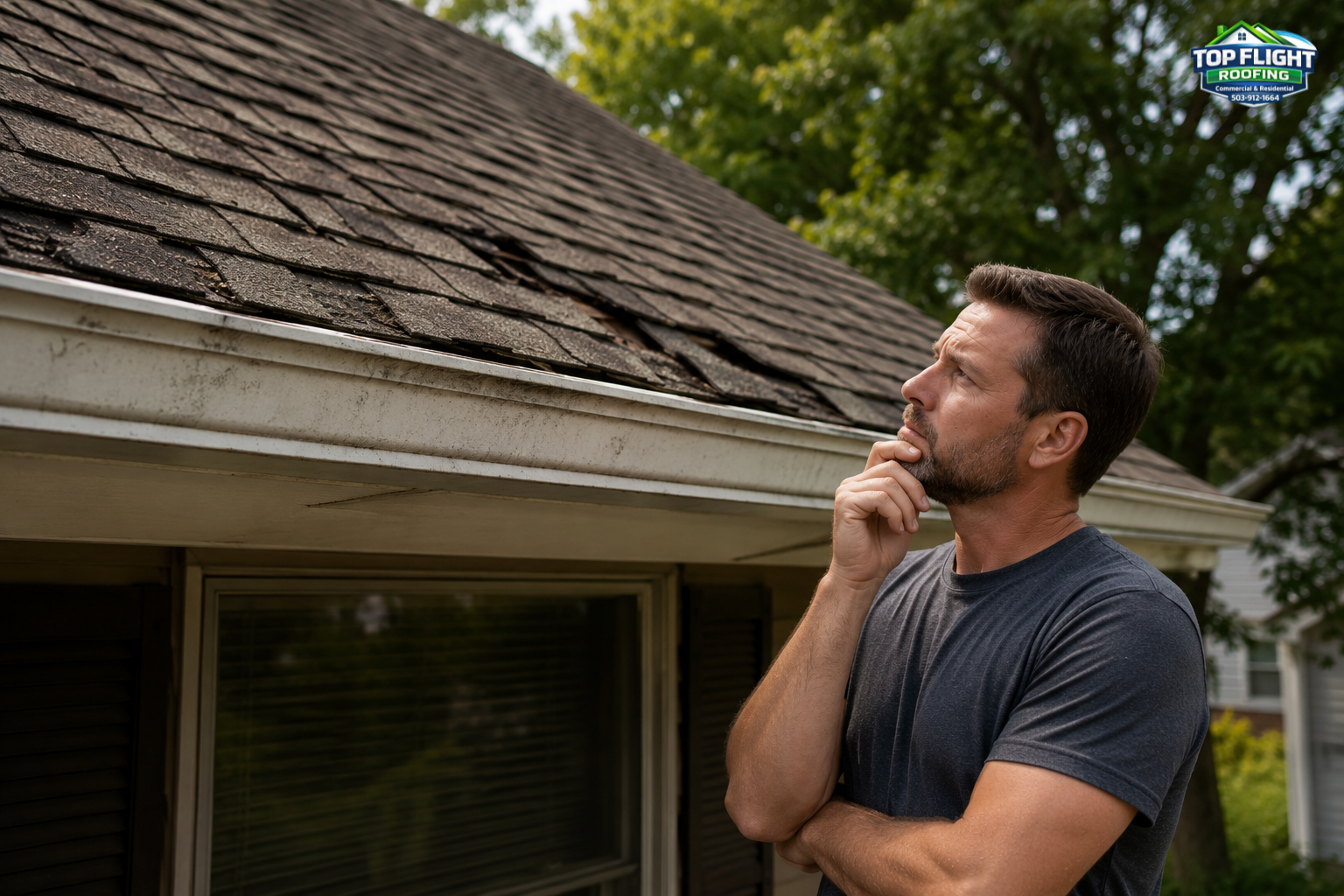
Watch for signs that your roof may need attention. Missing shingles, sagging areas, water stains inside, mold in the attic, and rising energy bills can all signal hidden problems. If you see granules in gutters or daylight through the attic, an inspection is overdue.
Many issues are easier to diagnose if you know what to look for outside and inside your home. Our guide to spotting roof damage early offers a checklist to catch problems before they spread.
Seasonal Planning to Avoid Surprises
Preventive care works best when it becomes part of your routine. Before heavy rain, check gutters, inspect shingles, look for debris, and ensure attic ventilation is working. After storms, a quick look can reveal damage that needs attention.
For help preparing for wet weather, see our article on preparing your roof for the rainy season. A little planning before bad weather can reduce stress and help your roof last longer.
Frequently Asked Questions About Quality Roofing
How often should I inspect my roof?
Most people should inspect their roof yearly and after big storms. This helps catch wear, storm damage, and drainage issues before they become leaks. Older homes or those surrounded by trees might need more frequent checks.
What roofing material is best for wet climates?
Materials that handle moisture well, like quality asphalt shingles or metal roofing, are solid choices in rainy areas. The best option depends on your home's slope, ventilation, budget, and goals. The key factor is not just the product, but how well it's installed and supported.
When should I repair versus replace?
If the damage is minor, a repair might do. If the roof is old, has repeated leaks, or shows widespread wear, replacement might be more cost-effective. A professional can help decide whether repairs or a full upgrade is best.
Conclusion: Build Protection That Lasts Through Every Season
Quality roofing is a smart investment. It guards against the weather, supports energy efficiency, and helps preserve your home all year. The best roofs combine durable materials, skilled installation, good drainage, and regular upkeep. Together, these elements create a strong shield against rain, wind, and temperature changes.
If you're ready to assess your roof, schedule maintenance, or plan a replacement, Top Flight Roofing LLC is here to help. Our team offers detailed inspections, clean installations, and responsive repairs for lasting value. Reach out to our Portland roofing company at Portland, OR, or call (503) 912-1664 to schedule a free consultation and estimate. A stronger roof starts with the right team and plan.