Why Roof Inspection Frequency Matters
Your roof isn't just there to keep the rain out. It's yo ur home's first line of defense, protecting everything inside from insulation to your favorite chair. That's why keeping an eye on it is so important. Regular check-ups can catch little problems before they turn into big, costly ones. Plus, if you want to keep everything in top shape, it's a good idea to look into related services like roofing installation and repair, and gutter screening installation. After all, managing water and roof health go hand in hand.
Experts recommend having a professional take a look at least twice a year, usually in the spring and fall. This timing helps spot any issues after the harsh winter and get ready for the next one. The U.S. government's Ready program advises this because severe weather can cause damage that's not easy to see from the ground. For homeowners, the goal is simple: catch problems early, fix them fast, and make your roof last longer.
The Standard Rule: Twice a Year
Spring Inspections
Spring is a great time to see what winter's left behind. Ice and wind can loosen things up, crack sealant, and expose weak spots around chimneys and vents. A spring check-up lets you fix these issues before the next rainy season hits. It's also a good chance to clear out clogged drains, fix loose shingles, and check for moss or algae growth.
Fall Inspections
Fall inspections are just as important. They prep your roof for the coming winter. In places like the Pacific Northwest, autumn is your last chance to make repairs before the rain sets in. A fall check ensures shingles are tight, gutters are clear, and flashing is sealed. If your roof needs more than a little TLC, scheduling shingle installation and repair before winter can prevent small issues from becoming major problems.
Why the Twice-a-Year Rule Works
Checking your roof twice a year is a good balance between prevention and cost. It’s frequent enough to catch new damage but not so often that it feels like overkill. If your roof is in decent shape, this schedule is usually enough. But remember, factors like roof age, material, and weather exposure can mean you need to check it more often.
Factors That Change How Often You Should Inspect
Roof Age and Expected Lifespan
As your roof gets older, it needs more attention. Shingles can start to curl or crack, and sealants might dry out. National guidelines suggest checking older roofs more frequently because small signs of trouble often appear before you see leaks. If you’re noticing issues already, check out our guide on premature roof aging in Portland homes to know what to watch out for.
Roofing Material
The material makes a big difference in how often you should inspect your roof. Asphalt shingles need at least a yearly check because they're prone to wear and tear. Metal roofs can be more durable, but still need periodic checks for things like loose fasteners and seam issues. Resources like the National Roofing Contractors Association can provide more insights, as different materials age differently.
Local Climate and Moisture Exposure
Climate is a huge factor in how often you should inspect your roof. In wet areas, debris and moisture can mean that more frequent inspections are needed. Portland homes often deal with damp conditions, which encourage moss and hidden moisture. When your roof faces frequent rain and limited drying time, once a year might not be enough, especially if there are trees around.
Recent Storms and Severe Weather
If your roof has weathered hail, strong winds, or a big storm, schedule a check-up as soon as it's safe. Damage can be more extensive than it looks, with lifted shingles or dented flashing hiding bigger issues. Post-storm inspections are important since insurance claims depend on early evidence. Even if there’s no apparent leak inside, a professional assessment can spot problems before they get worse.
What a Professional Roof Inspection Should Include
Exterior Roof Surface
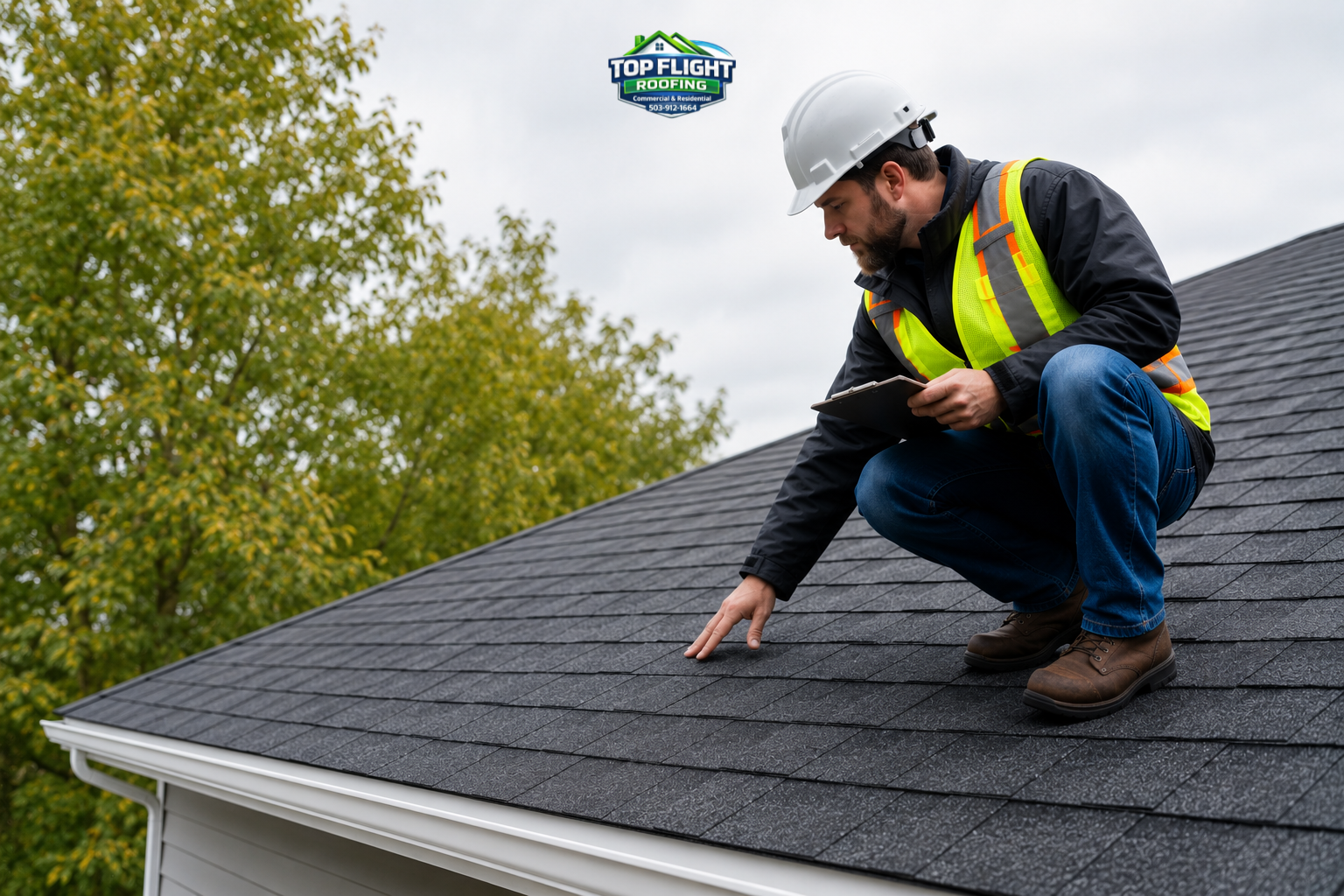
A thorough inspection starts with the roof itself. Professionals look for things like missing or damaged shingles, loose fasteners, and signs of wear. They also check for granule loss or rust that could indicate the roof is nearing the end of its life. The goal is to spot any issues before they turn into leaks.
Flashing, Penetrations, and Edges
Leaks often happen where things meet, like around chimneys and vents. Flashing in these areas is a common weak spot, especially if sealants have aged. Inspectors make sure these areas are tight and properly integrated. Edges matter too, as wind can lift weak spots and expose the layers beneath.
Attic and Interior Signs
A good inspection should also include the attic or interior ceilings. This is often where water intrusion shows up first. Inspectors look for things like dark stains, damp insulation, or signs of ventilation issues. If attic performance is lacking, consider checking out roofing insulation to improve energy efficiency and reduce moisture stress.
For more on how moisture can affect your home, the U.S. Environmental Protection Agency has helpful info on mold prevention and indoor moisture control. Roof problems often show up as dampness inside before a big leak occurs. Catch these signs early to avoid expensive fixes later.
Can Homeowners Inspect Their Own Roof?
What You Can Safely Check from the Ground
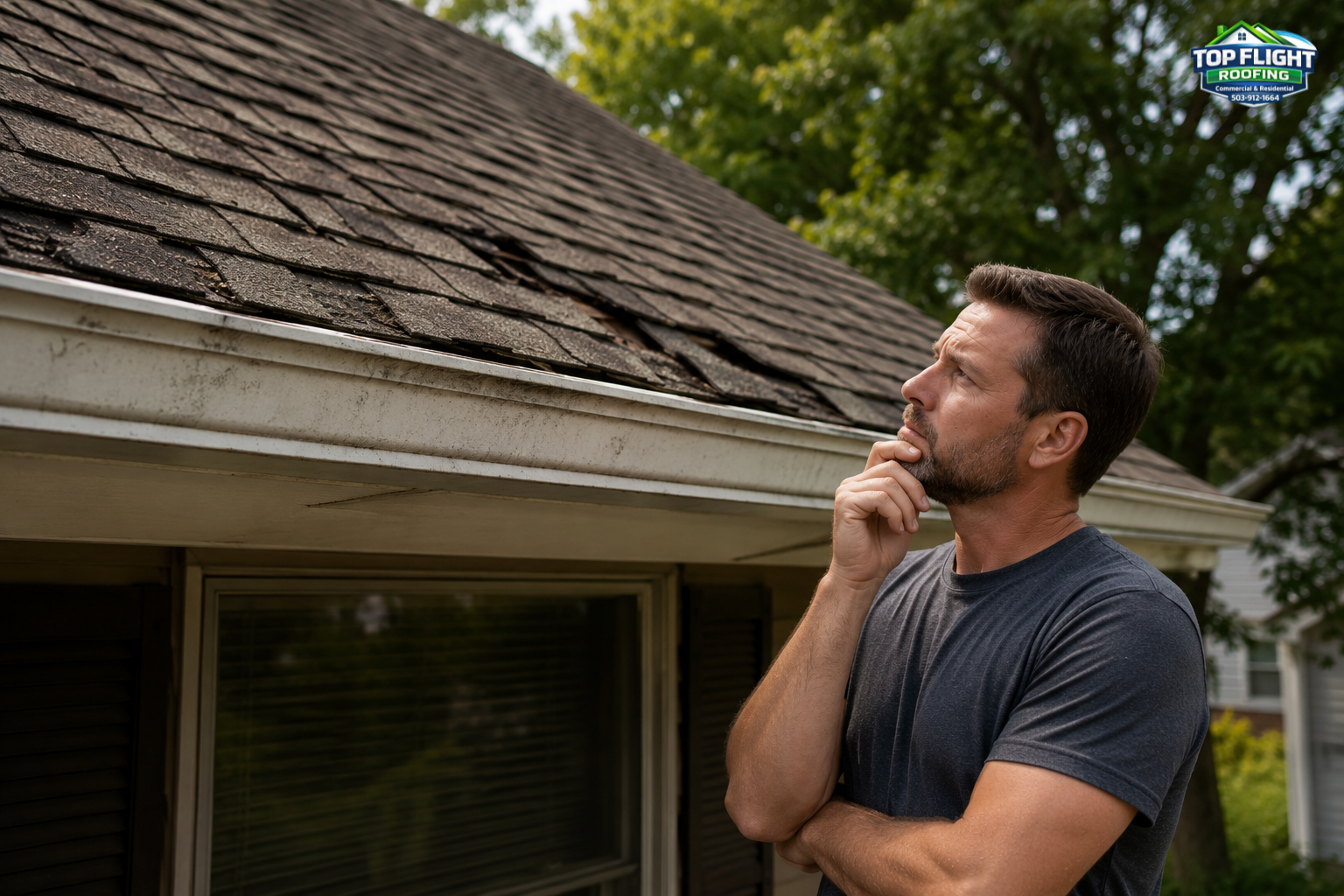
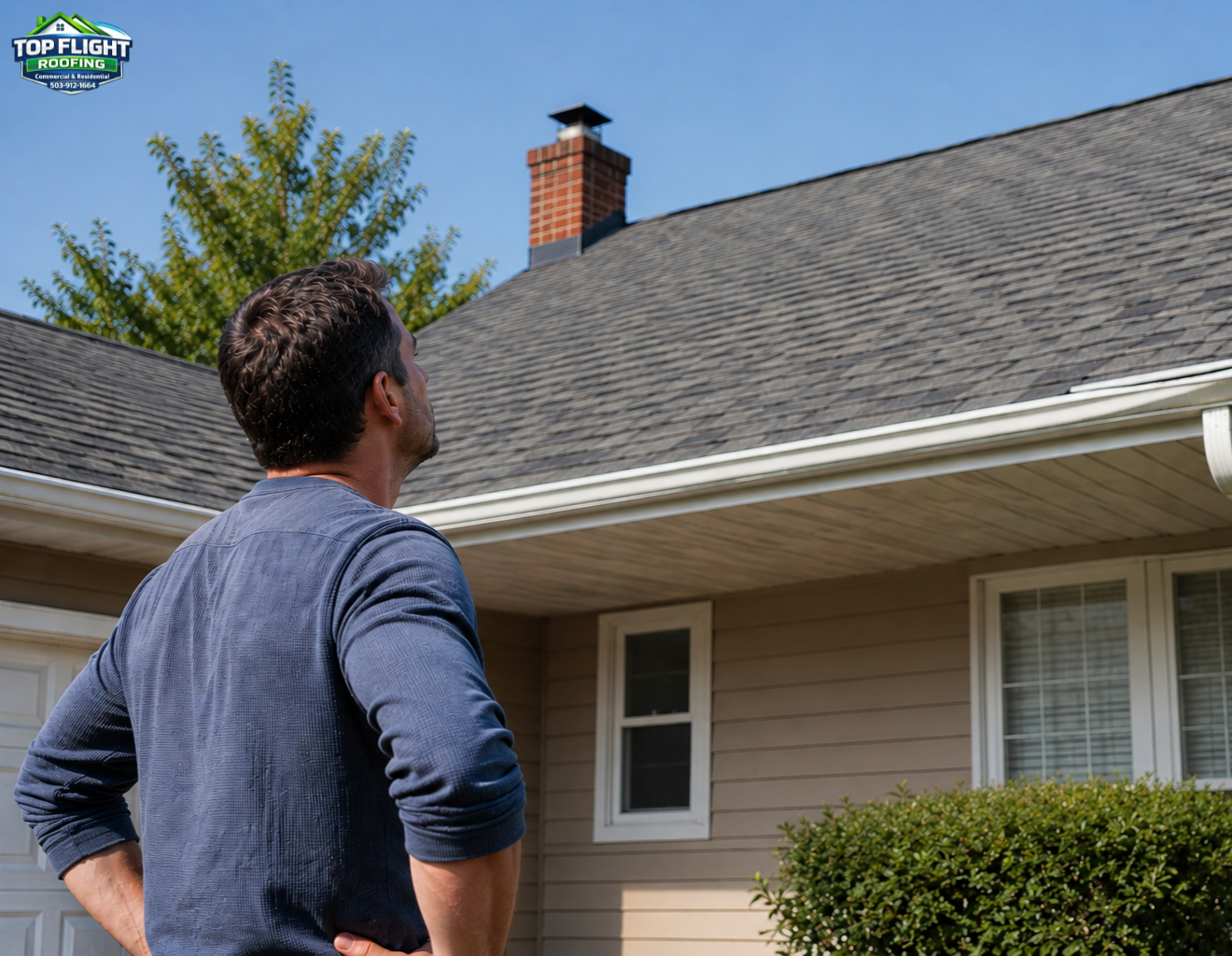
Homeowners can do basic visual checks, especially after storms. From the ground, look for missing shingles, sagging areas, clogged gutters, and discoloration. Binoculars or a zoom camera can help check higher areas without climbing up. These checks can catch early issues, but they don't replace a full professional evaluation.
When DIY Ends and Professional Work Begins
Climbing on a steep or wet roof is risky and can cause damage if not done right. Professionals know how to safely navigate roof surfaces and spot subtle defects. They understand how all the components work together, from underlayment to ventilation. While you might notice a stain, a trained inspector can pinpoint the cause and suggest fixes.
Why Professional Inspections Are More Complete
Pros offer a more systematic review and a written summary of findings. This documentation helps with maintenance planning, insurance claims, and budgeting for future repairs. It also gives you a clear picture of what needs attention, whether it's simple maintenance or larger repairs. To avoid surprises, combine inspections with regular attention to the cost of delaying roof repairs, since small issues tend to grow over time.
How Long a Roof Inspection Takes and What It Costs in Time
Typical Duration
Most professional roof inspections take about 45 minutes to an hour, though larger or more complex roofs can take longer. Features like multiple roof planes or steep pitches can extend the time needed. But this time is well spent, as a rushed inspection might miss critical issues.
What Makes the Process Longer
Inspection length often depends on complexity, weather, and report detail. Photos and measurements of problem areas can make the process more thorough. Roofs with multiple additions or mixed materials require extra care since each section can age differently. The focus is on accuracy, not speed.
The Value of Documentation
A documented inspection creates a benchmark for future checks. Photos and notes help track whether a stain is spreading or if shingles are losing more granules. This record guides maintenance decisions and helps plan for bigger improvements like roofing installation, repair, or replacement. Documentation reduces guesswork and aids long-term budgeting.
Roof Inspection Frequency by Roof Type
Asphalt Shingles
Asphalt shingles are common and usually need at least annual inspections. These roofs are vulnerable to wind, surface wear, and algae. In wet climates, inspections might need to be more frequent, especially with tree coverage. Don't wait if you notice granules in gutters or dark streaks.
Metal Roofs
Metal roofs are durable but still require maintenance. Fasteners can loosen, seams can shift, and coatings can wear down. Experts suggest inspecting every two to three years for well-maintained metal roofs, though storm exposure or older roofs may need sooner reviews.
Flat and Low-Slope Roofs
Flat and low-slope roofs need more frequent checks due to delicate drainage. Ponding water and debris can cause rapid wear. Regular professional reviews and seasonal drain maintenance are important. If your building relies on good drainage, understanding the relationship between gutters, your roof, and your foundation is key.
Signs You Should Schedule an Inspection Sooner
Visible Roof Damage
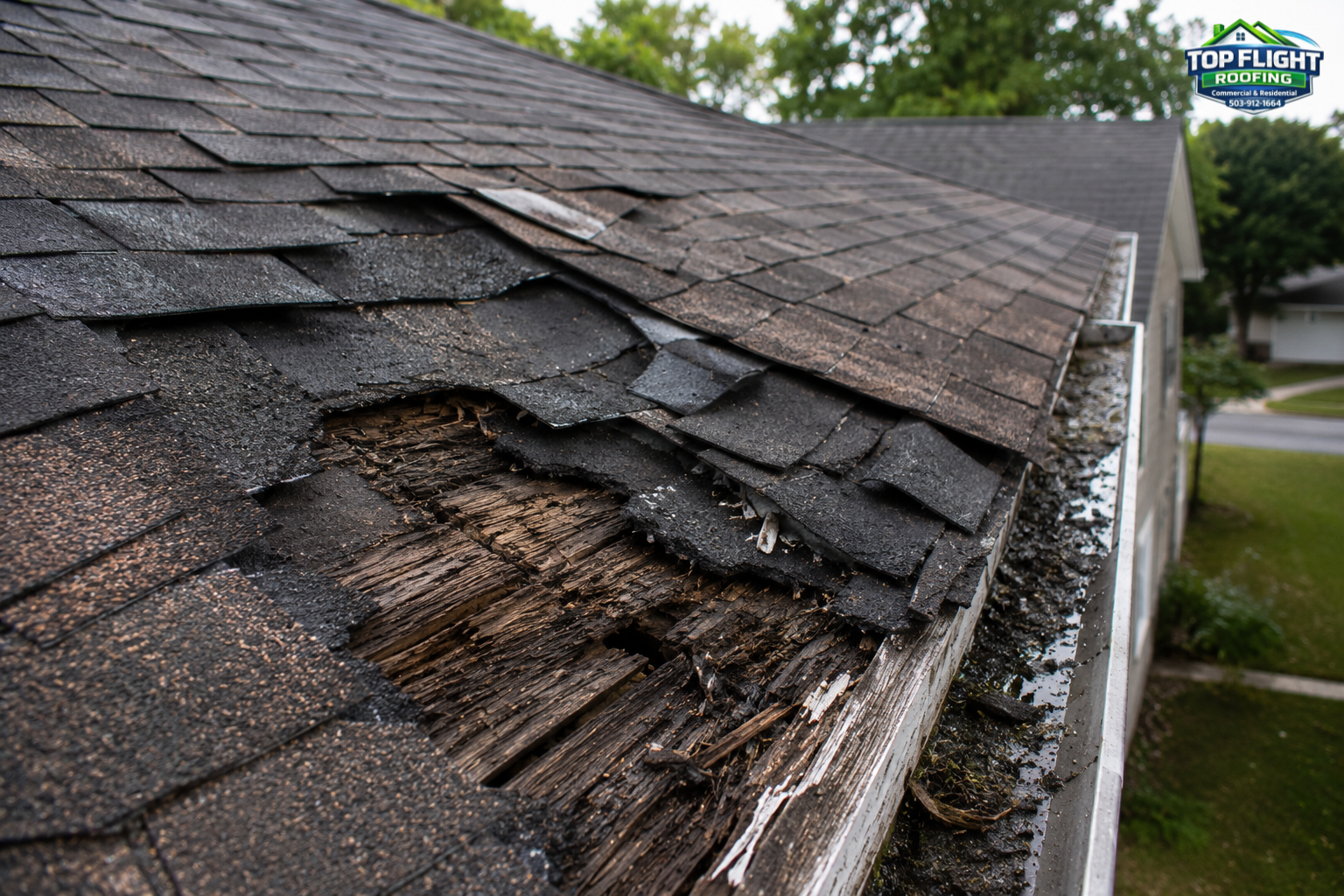
Don't wait; if you see missing shingles, lifted edges, or damaged flashing. Visible damage often means the system is stressed, and hidden issues may be worse. Early action can prevent a small repair from becoming a big project. A quick inspection can determine if it's an isolated problem or part of a larger issue.
Interior Warning Signs
If you notice stains, peeling paint, musty smells, or unexplained dampness inside, schedule an inspection immediately. These symptoms suggest water may be entering the home. Even a slow leak can damage insulation over time. If the problem has grown beyond a surface repair, consider solutions like those in quick roof fixes to stop costly damage.
Moss, Algae, and Debris Buildup
Moss and algae aren't just cosmetic. They can hold moisture against the roof, accelerating wear and lifting shingles. Heavy debris can block drainage and trap water in vulnerable areas. If your roof is shaded or surrounded by trees, inspections should be more frequent to manage moisture pressure.
How Roof Inspections Support Long-Term Planning
Extending Roof Life
Regular inspections are a simple way to extend your roof's life. Instead of waiting for major failures, you're catching problems when they're small and affordable. This reduces emergency calls and keeps your roof functioning longer.
Budgeting for Repairs and Replacement
Inspection reports help you plan financially rather than react in a panic. If widespread wear is found, you can start budgeting for replacement rather than rushing decisions. If you're unsure where your roof stands, our guide on roof lifespan and replacement planning offers insights on next steps.
Supporting Warranty and Insurance Needs
Manufacturers and insurers often expect regular maintenance documentation. An inspection history shows you've cared for your roof, which can be crucial if a claim arises. Keeping records of dates, photos, and repairs creates a clear paper trail, especially after storms or when selling your home.
Local Considerations for Portland Homeowners
Wet Weather and Moss Growth
Homes in wet regions need extra care because moisture lingers longer. Moss and algae can develop quickly where shade and rain combine. In Portland, annual inspections are wise, with extra checks after major weather events. If your home is surrounded by trees or persistent runoff, your roof might need even more attention.
Windstorms and Seasonal Damage
Windstorms can loosen flashing and break branches that fall on roofs. Even if a storm doesn't cause an immediate leak, it can lead to future failures. That's why timing matters as much as frequency. A well-timed inspection can reveal hidden weather effects before they become urgent.
Partnering with a Local Roofing Contractor
Working with a local contractor is beneficial because they understand regional weather patterns and common roof types. Top Flight Roofing LLC has over 30 years of experience in Portland, providing valuable insights for maintenance decisions. If planning proactive improvements, a chat about professional carpentry services can be useful when roof-related damage affects structural details.
FAQ: Roof Inspection Timing and Best Practices
How Often Should Most Roofs Be Inspected?
Twice a year is a good rule for most homes, usually in spring and fall. This schedule allows you to address winter damage and prepare for the wet season. Older roofs, storm-prone areas, or challenging conditions may need more frequent inspections. Build a baseline schedule and adjust as needed.
Should I Inspect After Every Storm?
You don't need a full inspection after every light rain, but after severe storms or strong winds, it's wise. A quick ground-level check can help decide if there's visible damage. If you see missing shingles or debris, call a professional. A quick follow-up can make a big difference in the repair scope.
Can an Inspection Really Save Money?
Yes, because small problems are cheaper than water damage or structural repairs. Fixing loose flashing costs less than fixing rotted decking. Routine inspections also help avoid emergency service premiums. Prevention is safer and often the most economical choice.
What Should I Ask During an Inspection?
Ask about the roof's remaining life, repair urgency, signs of moisture, and ventilation performance. Also, ask for photos and a summary for a clear record. A good inspector explains findings clearly and prioritizes next steps, helping you make informed decisions.
Conclusion: Build a Roof Inspection Schedule That Fits Your Home
The best roof inspection schedule matches your home's age, material, and weather risks. For many, twice a year is the right baseline, with extra check-ups after storms or warning signs. Staying consistent helps catch small problems early, reducing repair costs and keeping your roof in good shape for years.
When ready, schedule a professional evaluation to guide your maintenance plan. If your roof needs repairs, drainage improvements, or a full review, Top Flight Roofing LLC can help you make informed decisions. Contact our Portland team for a free consultation and estimate to protect your home before minor wear turns into major damage.
For more on roof care, explore our guides and services, including saving money with regular roof inspections and our trusted shingle installation and repair solutions.