Essential Guide to How Gutters Protect Your Roof and Foundation
We often forget about our gutters, but they're crucial in keeping your roof, siding, landscaping, and foundation safe from water damage. In this guide, we’ll dive into how gutters do their job, why they are important, the latest trends like gutter guards and eco-friendly materials, and simple maintenance tips to help you avoid expensive repairs. You'll discover how a little investment and the right installation can prevent major issues, which materials and systems are recommended by experts, and how to catch warning signs before they become big problems.
Why Gutters Matter: Protecting Roofs and Foundations
Role of Gutters in Roof Protection
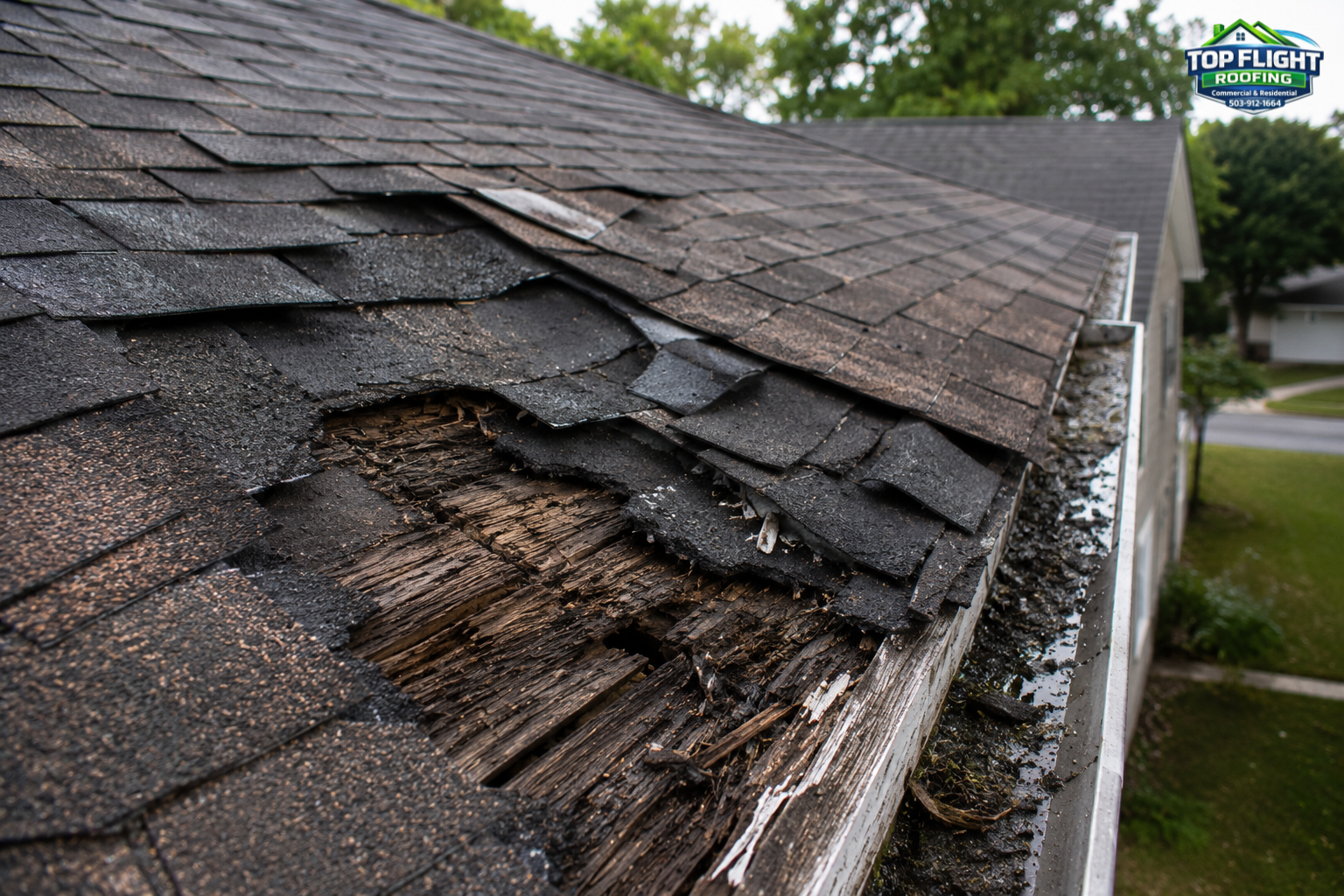
Gutters help move rainwater away from your roof edges, stopping it from pooling around eaves and flashing, which can sneak under shingles and underlayment. When gutters are the right size and slope, they gather and push runoff to downspouts, reducing the risk of water seeping into roof joints and holes. Without them, water pours down your walls, soaking fascia and soffits, and speeds up rot and mold growth. Over time, this hidden moisture can weaken roof decking and shorten the life of your roofing materials, leading to more repairs or early replacement.
How Gutters Safeguard Foundations
Gutters are key to moving water away from the foundation. If water pools near the foundation line, it soaks the soil and increases pressure against foundation walls. This can lead to cracks, shifts, and leaks in basements or crawlspaces. By channeling water through downspouts to proper drainage spots, gutters lower the amount of water reaching the foundation and reduce the risk of structural settlement, soil erosion, and flooding inside.
Consequences of Neglecting Your Gutters
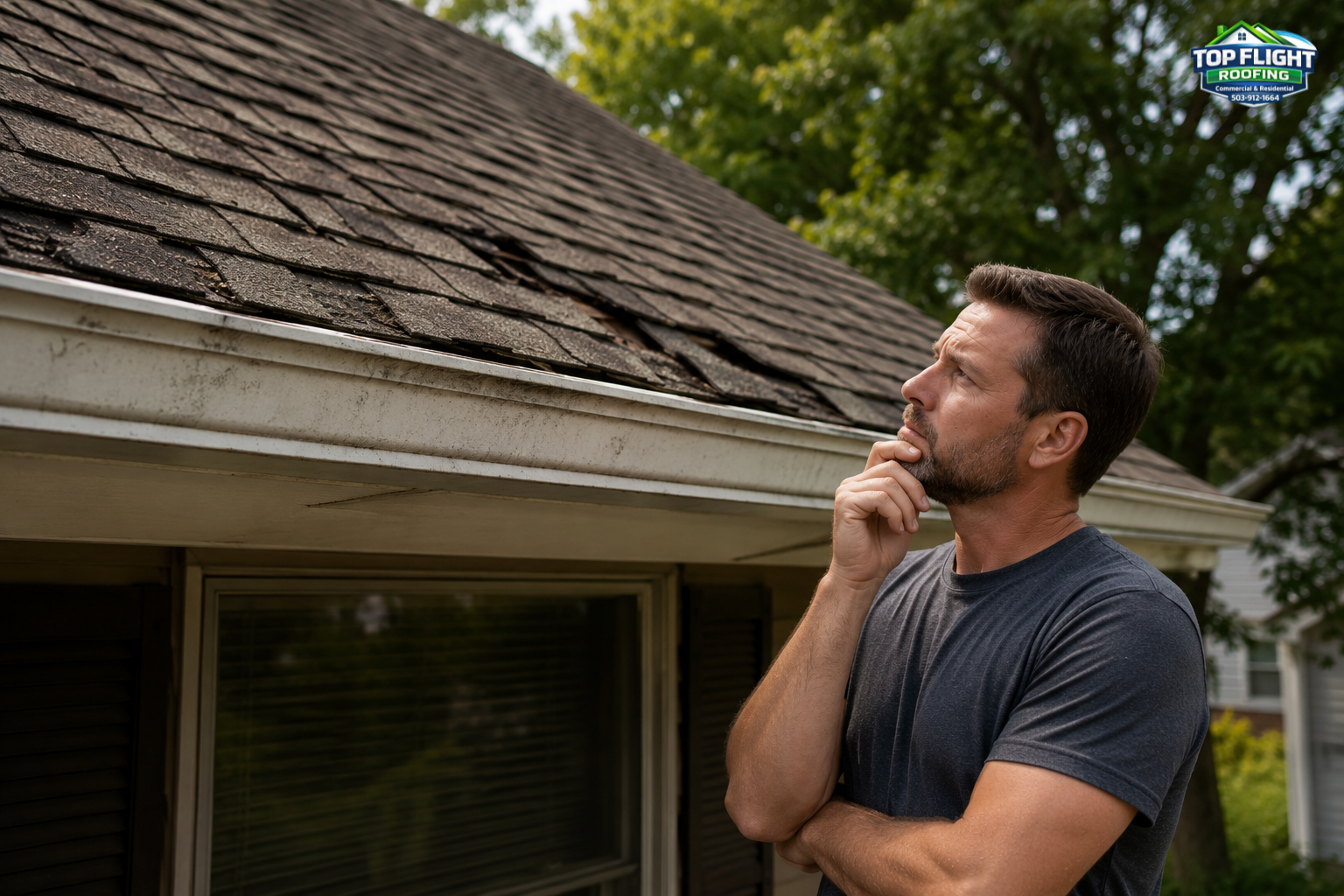
If you ignore your gutters, it can lead to bigger home issues. Blocked gutters overflow and damage siding, trim, and exterior paint, and they can cause basement flooding and foundation repairs. A 2025 survey showed that many homeowners have reported damage from clogged gutters, highlighting the cost of inaction. Besides repairs, poor gutter performance can drop your home's curb appeal and overall value. Regular upkeep prevents these expenses and keeps your whole building intact.
Latest Trends and Developments in Gutter Systems
Gutter Guards: Reducing Maintenance and Clogs
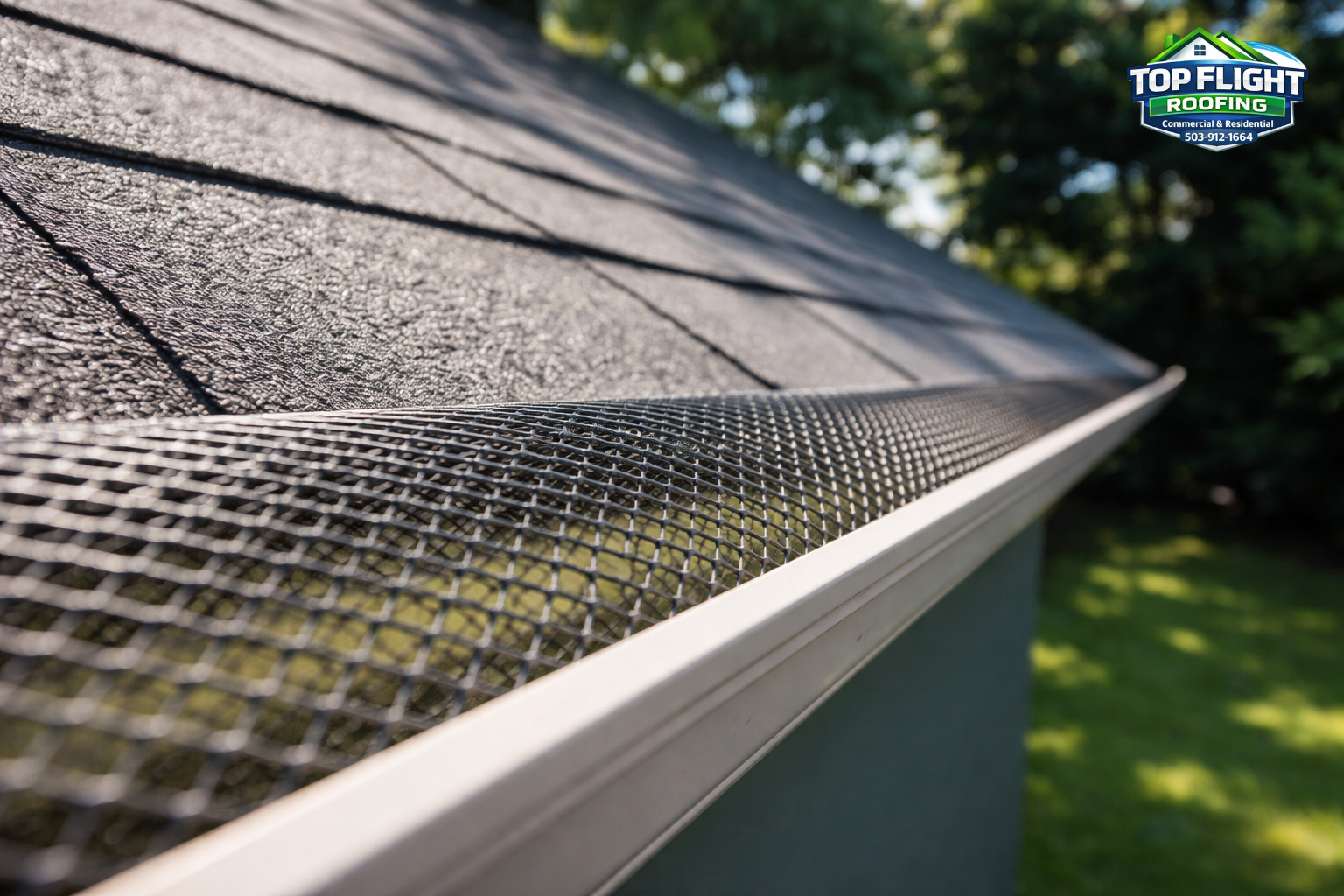
Gutter guards are a popular choice for homeowners who want to cut down on cleaning time and prevent clogs. Leaf guards, mesh covers, and reverse-curve systems all work to keep leaves, pine needles, and shingle granules from blocking the flow. Reports show that effective gutter guards can cut cleaning needs by 50% to 80%, which is great for properties with big trees. Picking a high-quality guard and getting it installed right makes sure water flows properly and reduces ice dams in colder areas.
Sustainable Materials and Eco-Friendly Options
Environmental concerns are influencing the materials used in gutters. Recycled aluminum, copper, and other long-lasting, recyclable materials are becoming popular with those who want durability and a smaller environmental impact. These materials resist rust, need less frequent replacement, and often match well with sustainable roofing systems. Some homeowners even use rainwater harvesting setups connected to gutters to cut down on potable water use for irrigation and other non-potable needs.
Seamless Gutters: Form and Function
Seamless gutters are made on-site from a single piece of material, removing joints that often leak in sectional gutter systems. This not only cuts the chance of leaks but also offers a cleaner look that boosts curb appeal. Custom-fit seamless gutters are especially useful where complex rooflines and long runs need precise installation. They usually have fewer maintenance issues and last longer when installed by experienced pros who ensure the right slope and secure attachment.
Expert Installation Practices: How Pros Get It Right
Correct Slope and Water Flow
Getting the slope right toward downspouts is crucial for gutter performance. Experts suggest a slope of about 1/4 inch for every 10 feet of gutter, ensuring water won't pool and will travel smoothly to discharge points. Pros use levels and measuring tools to set hangers and fasteners accurately, considering roof runoff volume and local rainfall intensity. A well-sloped gutter reduces standing water, deters mosquito breeding, and prevents overflow during heavy storms.
Secure Attachment and Reinforcement
Gutters need to be securely attached to fascia or roof edge materials with the right hangers and fasteners that can handle seasonal movement and ice loads. Properly spaced hangers prevent sagging and separation from the roofline, which can cause leaks and increase maintenance needs. In areas with freeze-thaw cycles or high winds, reinforced systems and heavier-gauge materials are often recommended to ensure long-term reliability and safety during severe weather.
Integrating Gutters with Roof and Drainage Systems
Professionals design gutters as a part of the roof and landscape drainage plan. Downspouts should lead to splash blocks, underground drains, or grading that moves water away from the foundation to prevent erosion and pooling. Proper integration also considers overflow routes and emergency bypasses during big storms. A comprehensive approach reduces the chance of unseen water movement that can cause foundation or landscape damage.
Maintenance Best Practices: Keep Your Gutters Working
How Often to Clean and Inspect
Most homeowners should clean their gutters at least twice a year, usually in spring and fall, but those with overhanging trees may need more frequent attention. Regular inspections should check for standing water, rust, loose hangers, and signs of pests or animals. Maintenance includes removing debris, flushing downspouts with a hose, and checking for proper slope. Routine care extends gutter life and prevents the progressive damage that leads to expensive foundation or roof repairs.
DIY vs. Professional Maintenance
While some people handle gutter cleaning themselves, there are clear benefits to professional maintenance. Trained crews can spot early signs of wear, safely remove tough debris, and make repairs that prevent recurrence. Professionals also offer solutions like gutter screening installation or adjustments to downspout routing that might be missed with DIY efforts. Safety is a big concern; ladder work is risky, and pros have the equipment and experience to manage it safely.
Seasonal Tips and Preventive Measures
Seasonal strategies make gutter maintenance easier. Consider installing guards before heavy fall leaf drop, clear gutters before winter to avoid ice dams, and inspect after big storms to catch damage early. Small preventive fixes, sealing minor leaks, tightening hangers, and realigning downspouts keep systems working and avoid emergency repairs. Proper landscaping measures, like trimming overhanging branches, also dramatically cut debris buildup and extend maintenance intervals.
Common Problems, Troubleshooting, and Repair
Identifying Leaks and Overflow Causes
Recurring leaks or overflow are often the first clear signs of a faulty gutter system. Common causes include clogs, improper slope, separated seams, or damaged hangers. Systematic troubleshooting starts with a visual inspection while running water through the gutters to observe flow and find blockages or leaks. Once you find the source, targeted repairs like resealing seams, replacing sections, or clearing obstructions often restore full function without a full system replacement.
Fixing Sagging, Pulling Fascia, and Structural Issues
Sagging gutters usually signal loose hangers, overloaded systems, or degraded fascia wood. If fascia is rotting, replacing the damaged wood and upgrading fasteners often resolves the underlying problem. In more serious cases where water damage has spread into roof decking or structural elements, a coordinated repair that includes roof and framing work may be needed. Tackling these issues quickly avoids progressive deterioration that can become far more costly over time.
When to Repair vs. Replace
Deciding between repair and replacement depends on the system's age, material condition, and damage extent. Minor leaks, isolated rust sections, or a few loose hangers are usually fixable. However, older systems with multiple failed seams, widespread corrosion, or inadequate capacity for local rainfall patterns may need replacement with modern seamless gutters or upgraded materials like aluminum or copper. A professional assessment helps homeowners make cost-effective, long-term choices.
Statistics, Case Studies, and Real-World Examples
Industry Statistics That Reveal Risk
Recent surveys and studies highlight how common gutter-related damage has become. A 2025 study reported that about 40% of homeowners had experienced damage from clogged or poorly maintained gutters, including leaks, overflows, basement flooding, and foundation problems. Another survey suggested that many homeowners are unaware of the link between clogged gutters and foundation issues, showing the need for homeowner education and preventive maintenance. These statistics make it clear that gutters are a strategic part of home preservation.
Local Case Study: Portland Rain and Real Costs
Areas like Portland, with consistent seasonal rain, highlight the stakes. In one local example, skipping gutter maintenance in Aloha, OR, led to foundation repairs costing between $15,000 and $30,000 due to prolonged water exposure. This case shows how routine gutter care is much cheaper than foundation restoration and emphasizes the value of locally tailored solutions for long, wet seasons. Well-installed and maintained gutters are your first defense against the region’s frequent rainfall.
Examples of Effective Professional Interventions
Professional interventions range from installing high-capacity downspouts for storm-prone roofs to adding underground drain lines that move water well away from structures. Contractors often pair gutter upgrades with other exterior improvements like new siding or roof repair to create an integrated water management system. For homeowners considering comprehensive work, linking gutter improvements to additional services like roofing installation or siding replacement ensures coordinated results that protect the whole building envelope.
Long-Term Planning: Materials, Upgrades, and Value
Choosing the Right Material for Your Home
Material choice affects performance, looks, and lifespan. Aluminum is lightweight, cost-effective, and rust-resistant, while copper offers great longevity and a distinct look that changes over time. Steel and vinyl have their places depending on budget and design preferences, but they vary in durability. For those investing in long-term protection, seamless aluminum or copper options usually provide the best mix of performance and maintenance needs.
Upgrading to Seamless and Guarded Systems
Upgrades to seamless systems and high-quality gutter guards boost performance and cut lifetime maintenance. Seamless gutters reduce leak-prone joints and offer cleaner visual lines that enhance curb appeal. Adding well-designed guards minimizes debris entry while keeping water flowing properly. Combine these upgrades with professional installation to ensure that the roof-to-gutter interface and downspout routing handle high-rainfall events and seasonal debris loads.
Estimating Cost vs. Long-Term Savings
When evaluating cost, consider both upfront investment and long-term savings. Preventative maintenance, gutter guards, and durable materials usually pay for themselves by avoiding large repair bills for foundation work, rotted fascia, or frequent roof replacements. Homebuyers and homeowners should think about life-cycle costs rather than just the initial price. Higher-quality systems often reduce total ownership costs through extended service life and fewer repairs over time. When in doubt, get multiple quotes and consider bundled services that align with roofing, guttering, and insulation improvements.
FAQ: Common Questions About Gutters Answered
How Often Should I Clean My Gutters?
Most homeowners should clean gutters at least twice a year, ideally in spring and fall, but frequency increases if you have trees overhanging your roof. In high-debris environments, quarterly checks may be necessary to prevent blockages that lead to overflow and water intrusion. A regular inspection after storms is also wise, and quick action prevents small issues from becoming extensive damage.
Do I Need Gutter Guards?
Gutter guards are a practical investment for many homes, especially where foliage causes frequent clogging. Guards can significantly reduce cleaning frequency and help prevent the types of clogs that lead to foundation and roof issues. However, not all guards are equal; mesh, micro-mesh, reverse-curve, and brush systems each have trade-offs. Consulting with a professional can help you choose a solution aligned with your roofline, local foliage, and rainfall patterns.
Can Clogged Gutters Cause Foundation Problems?
Yes. When gutters overflow regularly, water collects at the foundation perimeter and can erode soils, increase hydrostatic pressure, and cause cracks or settlement. Many foundation issues trace back to prolonged water exposure near the foundation, which proper guttering and drainage can prevent. Addressing gutter performance early is one of the most cost-effective ways to protect foundation integrity.
Putting It Into Practice: A Step-By-Step Homeowner Checklist
Initial Inspection and Assessment
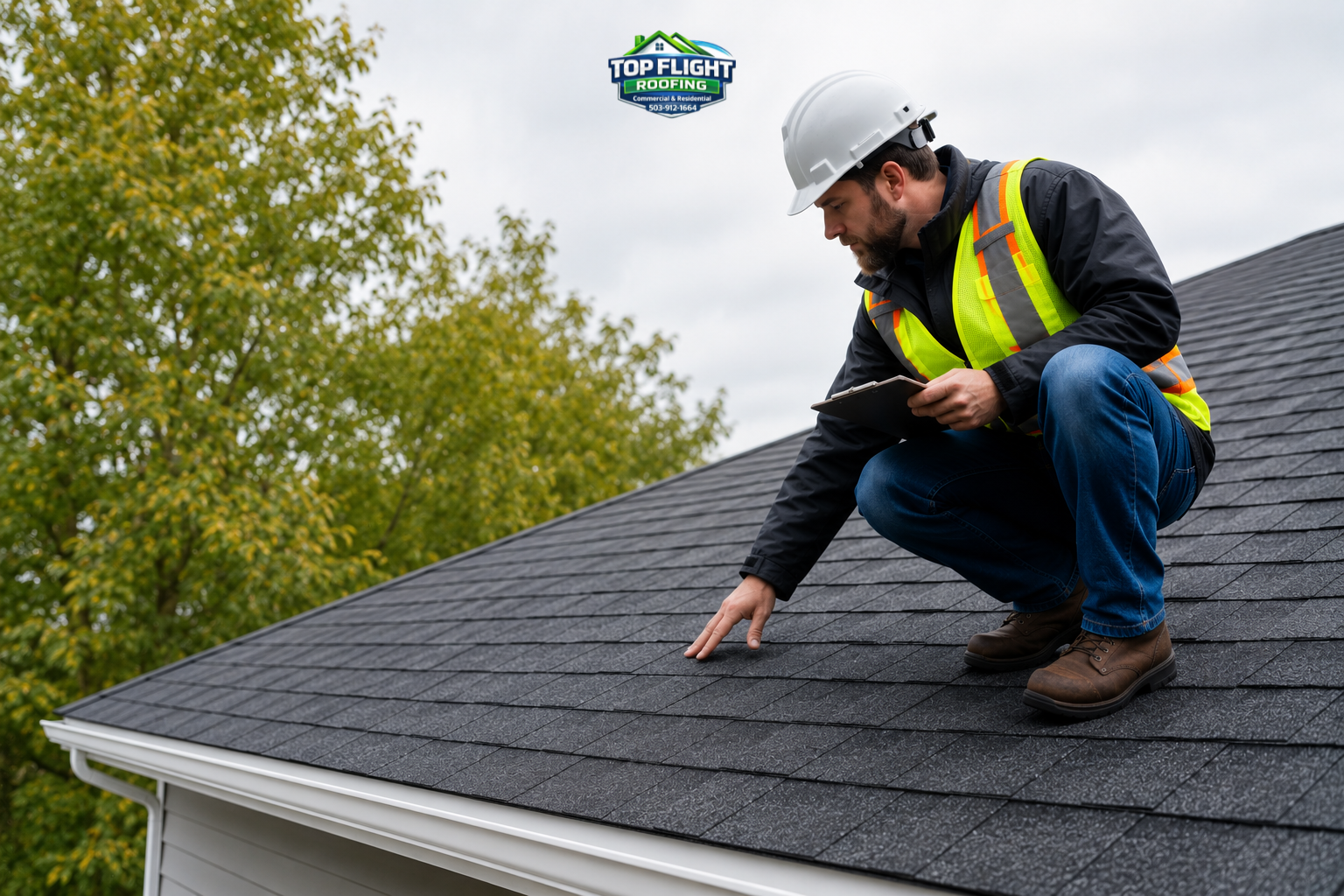
Start with a visual walk-around of your home. Look for sagging gutters, visible debris, stains on siding or fascia, and any signs of pooling near the foundation. Use a hose to flow water into sections and observe movement to downspouts and any areas of overflow. Document findings to prioritize repairs and communicate clearly with contractors if professional help is needed.
Prioritized Maintenance Actions
Based on your inspection, prioritize actions like clearing major blockages, resealing obvious leaks, tightening hangers, and trimming overhanging branches. For longer-term priorities, consider adding guards, upgrading to seamless gutters, or increasing downspout capacity. Coordinating with roofing and siding work at the same time reduces overall disruption and creates a more thorough protection strategy.
When to Call a Professional
Call a professional if you encounter structural damage, persistent leaks, damaged fascia, or if ladder work is unsafe. Professional contractors can recommend integrated solutions, offer guarantees on workmanship, and perform repairs that reduce the chance of future problems. If you plan to upgrade materials or install seamless gutters, a pro ensures accurate measurements and correct slope critical factors for long-term success.
Resources and Further Reading
Authoritative Guidance on Water and Flood Risks
Understanding local flood risks and best practices for water management is essential when planning gutter and drainage improvements. Government resources such as FEMA offer useful information about flood zones, risk mitigation, and home floodproofing strategies that homeowners should consult when addressing drainage issues around foundations. These resources can help you make informed decisions about drainage routing and long-term resilience strategies. FEMA flood information provides actionable guidance for homeowners facing runoff and flood concerns.
Technical Background and Definitions
For a general overview and technical definitions related to gutters, downspouts, and roof drainage, authoritative reference pages like Wikipedia provide useful historical context and terminology. While community-edited, such references are helpful starting points for homeowners researching system types and design considerations. Use these references to complement professional advice when evaluating options. See the Wikipedia page on gutters for an accessible primer.
Industry Reporting and Local Data
Industry reports and local news articles often highlight trends and real-world consequences of gutter neglect. Surveys and news coverage provide useful data points to inform homeowner decisions and prioritize investments. For instance, recent reporting shows a substantial percentage of homes suffer damage from clogged gutters, emphasizing the financial risk of neglect. A 2025 report covered by a reputable news source highlights that approximately 40% of homeowners have experienced gutter-related damage, which helps quantify the stakes for homeowners planning maintenance. Local coverage of the 2025 study provides context and examples.
Conclusion and Next Steps
Gutters are more than a trim detail; they are a critical defense for your roof, siding, landscaping, and foundation. Investing in proper installation, high-quality materials, and routine maintenance prevents a cascade of problems that can lead to significant repair costs. From the advantages of seamless gutters and gutter guards to the necessity of correct slope and secure attachment, the best approach combines professional assessment with regular homeowner attention.
If you live in the Portland area and want a professional evaluation of your gutter and roof drainage system, our team at Top Flight Roofing LLC brings over 30 years of local experience to every project. We offer comprehensive options, including gutter screening installation, full roofing installation, and coordinated exterior services like siding installation & repair to ensure your home stays dry and protected. Schedule a free consultation to discuss upgrades, maintenance plans, and cost-effective solutions tailored to Portland's rainy climate.
Ready to protect your roof and foundation? Contact Top Flight Roofing LLC at (503) 912-1664 or email info@topflightroofingllc.com to book an inspection, get a personalized estimate, and learn about long-term gutter strategies that save you money and worry. Protect your home now to avoid expensive repairs later.