The Real Cost of Waiting: What Happens If You Delay Roof Repairs?
Putting off roof repairs can seem harmless at first, especially when the issue seems minor or the weather feels stable. But, a small roofing problem can quickly snowball into something much bigger that affects your home’s structure, comfort, and wallet. Homeowners who act quickly often save money, avoid stress, and keep their property’s value intact. Those who delay usually end up with bigger repairs and more headaches.
This guide breaks down what happens if you delay roof repairs, why damage spreads so fast, and when it’s time to get moving. You’ll also learn how timely maintenance can help prevent water damage, mold, and energy inefficiency. Already seeing signs of trouble? Check out our simple guide on spotting roof damage and explore our roofing installation and repair services for professional help.
For a broader view of home maintenance, the U.S. Department of Energy says air leaks and moisture issues can mess up comfort and energy efficiency over time. This is one reason roof problems should never be ignored. Check out more about building performance and moisture control from the U.S. Department of Energy. The EPA’s mold guidance explains why even small water leaks can become big health issues if left alone.
Why Roof Repairs Should Never Be Put Off
Small leaks rarely stay small.
A roof leak often starts with something easy to miss: a lifted shingle, cracked flashing, worn sealant, or a clogged drainage path. At first, you might only notice a faint stain, a draft, or a musty smell in the attic. But once water gets behind the roof covering, it can travel along framing, insulation, and drywall before you see signs inside the house.
Experts recommend annual roof inspections and quick action after storms because waiting lets water spread. Early intervention is usually much cheaper than fixing extensive water damage. For more on inspection timing, our practical roof inspection guide shows what homeowners should check and when.
The weather makes the problem worse.
In wet climates, the risk grows even faster because repeated rain, humidity, and temperature changes keep damaged roofing materials under constant stress. Portland’s climate is a good example of how persistent moisture can speed up deterioration, especially when moss, debris, or saturated underlayment are involved. A roof that might survive months in a dry area can go downhill a lot faster in the Pacific Northwest’s weather.
That’s why seasonal roof care matters. Homeowners should treat roof maintenance as part of a larger moisture-management strategy, along with gutter cleaning and ventilation checks. Our gutter screening installation service can help reduce buildup that leads to overflow, while our roofing insulation solutions support healthier attic performance and better temperature control.
The Hidden Costs of Delayed Roof Repairs
Repair bills rise as damage spreads.
One clear trend in roofing is the rising cost of putting off maintenance. What starts as a small repair can quickly turn into a big project once hidden damage is discovered. According to industry estimates, roof repairs can range from about $150 to $7,000, depending on the problem's extent. But that range can climb when structural components or interior finishes are affected.
Here’s why: roof systems are interconnected. A compromised shingle line can lead to soaked decking, damaged insulation, compromised flashing, and interior ceiling repair. If the issue reaches framing members or sheathing, costs rise again. That’s why many contractors advise comparing short-term repair costs with the long-term expense of waiting. If the damage is isolated, it’s usually much cheaper to fix now than to restore later.
Interior damage adds another layer of expense.
Once water enters the living space, the repair scope expands beyond the roof itself. Drywall, paint, insulation, flooring, electrical systems, and personal belongings may all be impacted. Even a slow drip can stain ceilings, ruin insulation, and create a cycle of repeated repairs if the leak source isn’t corrected.
Many homeowners are surprised that the visible water spot in the ceiling isn’t the full extent of the damage. Water often travels before it becomes visible, which means the true problem may be several feet away from the stain. For that reason, timely shingle installation and repair are often the most efficient way to stop the issue before it spreads.
Structural Risks You May Not See Right Away
Water weakens framing and decking.
Roof damage isn’t just about looks. When water reaches the roof deck or structural framing, it can soften wood, reduce load-bearing capacity, and create long-term stability problems. Over time, repeated wetting and drying cycles can cause warping, sagging, and decay that’s much harder to fix than a basic leak.
Neglected roof issues can also compromise fastening points, making the roof less able to resist wind and storm impacts. In serious cases, widespread moisture damage can lead to partial collapse or emergency replacement. That’s why roofing contractors stress the value of prompt inspection after severe weather and why structural concerns should always be taken seriously.
Flashing and underlayment failures spread damage quietly
Many of the most expensive roof problems start in hidden layers, not on the surface. Flashing around chimneys, vents, skylights, and valleys is especially vulnerable because these areas rely on precise sealing. When flashing fails, water can bypass the outer layer and enter the roof assembly unnoticed.
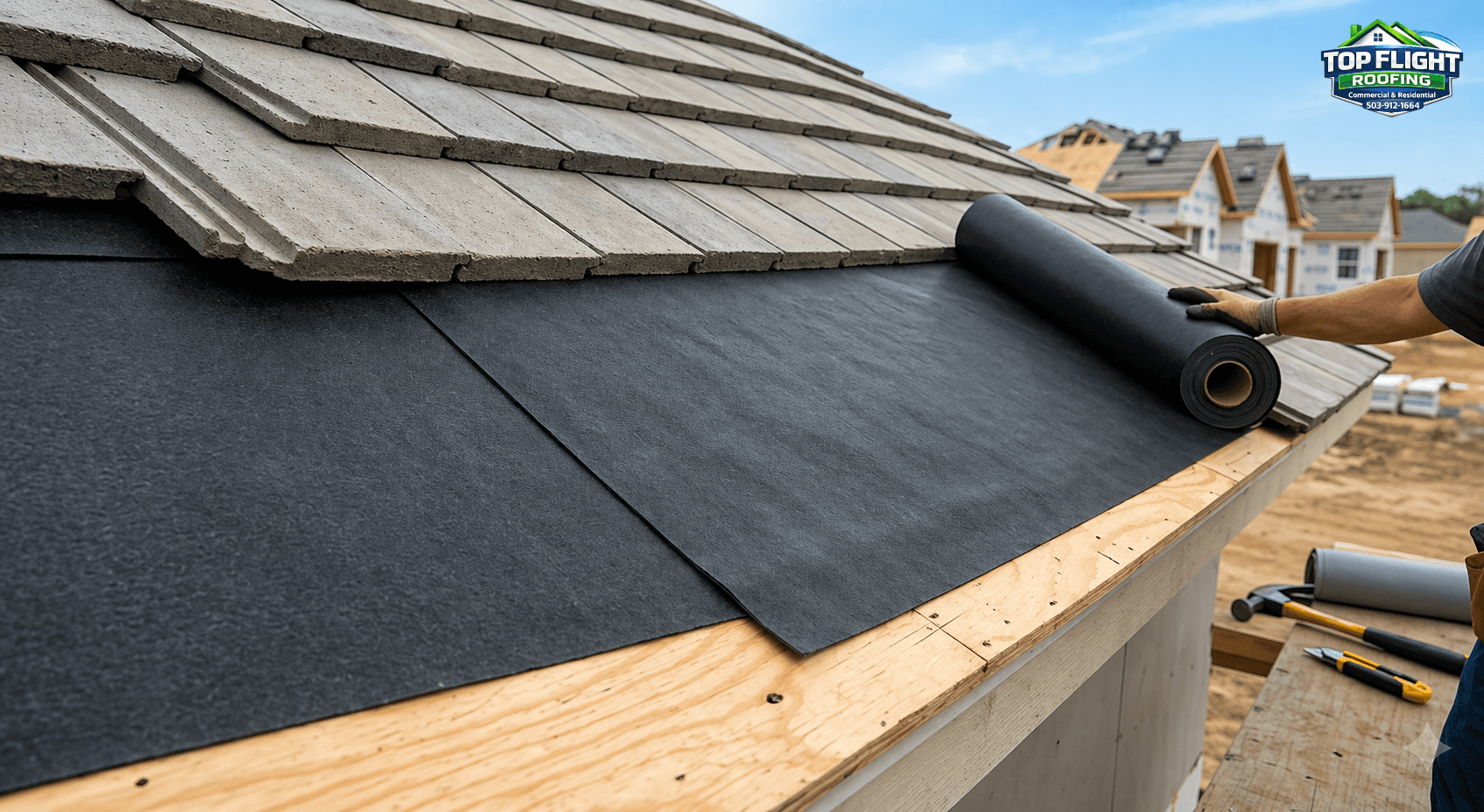
Underlayment also plays a key role in keeping your home dry. If you want to understand why this hidden layer matters so much, see our essential guide to roof underlayment. For another perspective, the article on why underlayment matters more than shingles explains how this protective layer helps buy time when the weather becomes severe.
Health and Indoor Air Quality Concerns
Mold and mildew can develop fast.
Persistent moisture creates ideal conditions for mold and mildew growth. That’s one of the biggest reasons to avoid delaying roof repairs, especially if leaks reach insulation, drywall, or framing cavities. Mold can begin spreading in as little as 24 to 48 hours after water exposure under the right conditions, which makes early drying and repair essential.
Health concerns may include coughing, throat irritation, nasal congestion, and other respiratory symptoms, especially for sensitive individuals. The EPA advises prompt action when mold or moisture issues are discovered because prevention is simpler and less costly than remediation. If your home already shows signs of odor or visible growth, roof repair should be treated as part of a broader moisture-control plan, not as a cosmetic fix.
Air quality and comfort decline together
When a roof leaks, insulation can become compressed or soaked, which reduces its effectiveness. That leads to uneven temperatures, higher humidity, and more strain on heating and cooling systems. Over time, homeowners may notice that rooms feel colder in winter, warmer in summer, or generally less comfortable even after adjusting the thermostat.
These issues often connect directly to attic ventilation and insulation performance. If your goal is to improve comfort while fixing the root problem, consider how repair work can be paired with ventilation improvements or professional carpentry services for damaged framing or soffit components. Small, coordinated repairs can make a big difference in both comfort and indoor air quality.
How Delay Impacts Energy Efficiency and Utility Costs
Moisture makes insulation less effective.
Wet or compressed insulation doesn’t perform as designed. That means the home loses heat faster in winter and gains heat more quickly in summer, forcing your HVAC system to work harder. Even if the roof leak is small, the energy penalty can become noticeable over time through higher utility bills and inconsistent indoor temperatures.
The Department of Energy explains that proper sealing and insulation are essential for controlling energy waste, and roof problems interfere with both. If you’re evaluating how a roof issue affects the rest of your home, our guide to roofing materials and energy savings offers helpful insight into how the roof system influences comfort and operating costs.
Ventilation problems compound the issue.
Roof leaks often coexist with poor attic ventilation, which can trap heat and moisture. That combination accelerates shingle aging, worsens condensation, and creates an environment where mold can thrive. In other words, one delayed repair can expose a second hidden issue, and both problems can make each other worse.
Homeowners who address these problems early often enjoy better roof lifespan and lower operating costs. This is especially true when repairs are paired with thoughtful upgrades such as sealing penetrations, improving attic airflow, and maintaining clean drainage pathways. A well-maintained roof is not just stronger; it is also more efficient.
What Happens During a Real-World Delay Scenario
A small leak becomes a major project.
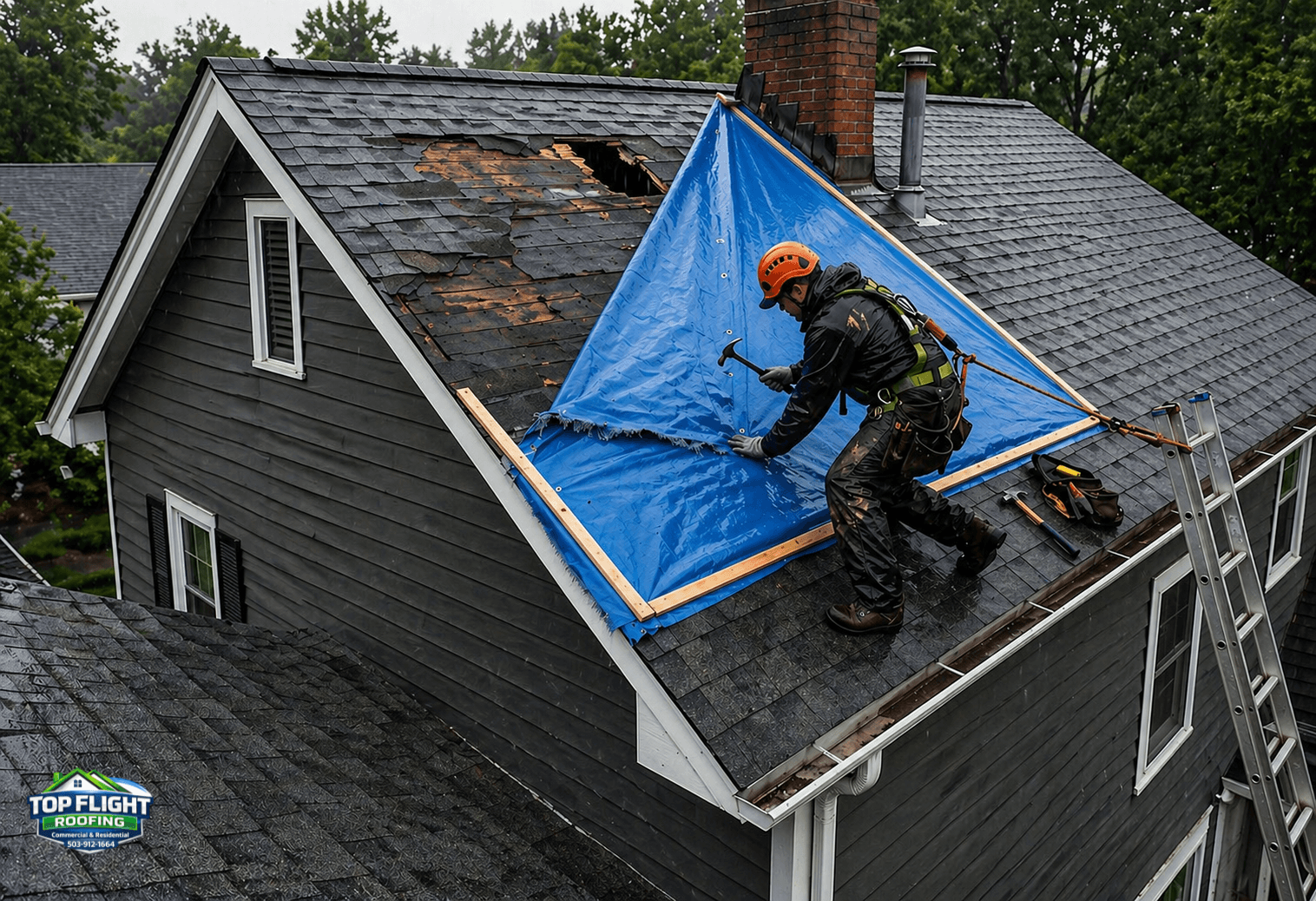
Consider a homeowner who notices a small water stain during a rainy season but decides to wait until the weather improves. Over the next few months, the leak slowly worsens, soaking insulation and spreading into adjacent framing. By the time a contractor is called, the repair scope now includes shingle replacement, decking repair, insulation removal, drywall patching, and mold cleanup.
This kind of escalation is common because roof damage does not usually announce itself loudly at the start. The Atlanta case referenced in roofing industry discussions illustrates a familiar pattern: delayed repairs led to extensive water damage and mold growth, creating higher costs and added health concerns. The lesson is consistent across markets—time is expensive when the roof is compromised.
Insurance and documentation can become more complicated
Delays can also make it harder to prove when damage happened or whether it was actively maintained. Insurance carriers may review the timeline, maintenance history, and condition of the roof when evaluating claims. If a problem was visible but ignored for a long period, the claim process may become more difficult.
That’s why regular records matter. Save inspection notes, photos, and repair receipts whenever possible. If you’re unsure whether a roof issue is covered or how to prioritize next steps, a professional inspection can help clarify the scope before the damage escalates further.
Warning Signs Homeowners Should Act on Immediately
Visible signs inside and outside the home
The most common warning signs include missing shingles, cracked or curling shingles, water stains on ceilings, damp attic insulation, and visible daylight through roof boards. Other clues include granules in gutters, moss growth, soft spots on the roof surface, and peeling paint near rooflines. These symptoms don’t always mean a full replacement is needed, but they do mean the roof deserves prompt attention.
If you notice these issues, it’s wise to schedule an assessment before the next storm. Our article on how small roof leaks turn into major damage explains why these early indicators matter. The earlier a contractor identifies the source, the better the chances of keeping the repair manageable.
Less obvious signs that still matter
Some roof problems present as performance issues rather than obvious leaks. Rising energy bills, musty odors in the attic, uneven room temperatures, and persistent condensation can all point to moisture intrusion or failed ventilation. These symptoms are easy to dismiss, but they often reveal roof problems that are already underway.
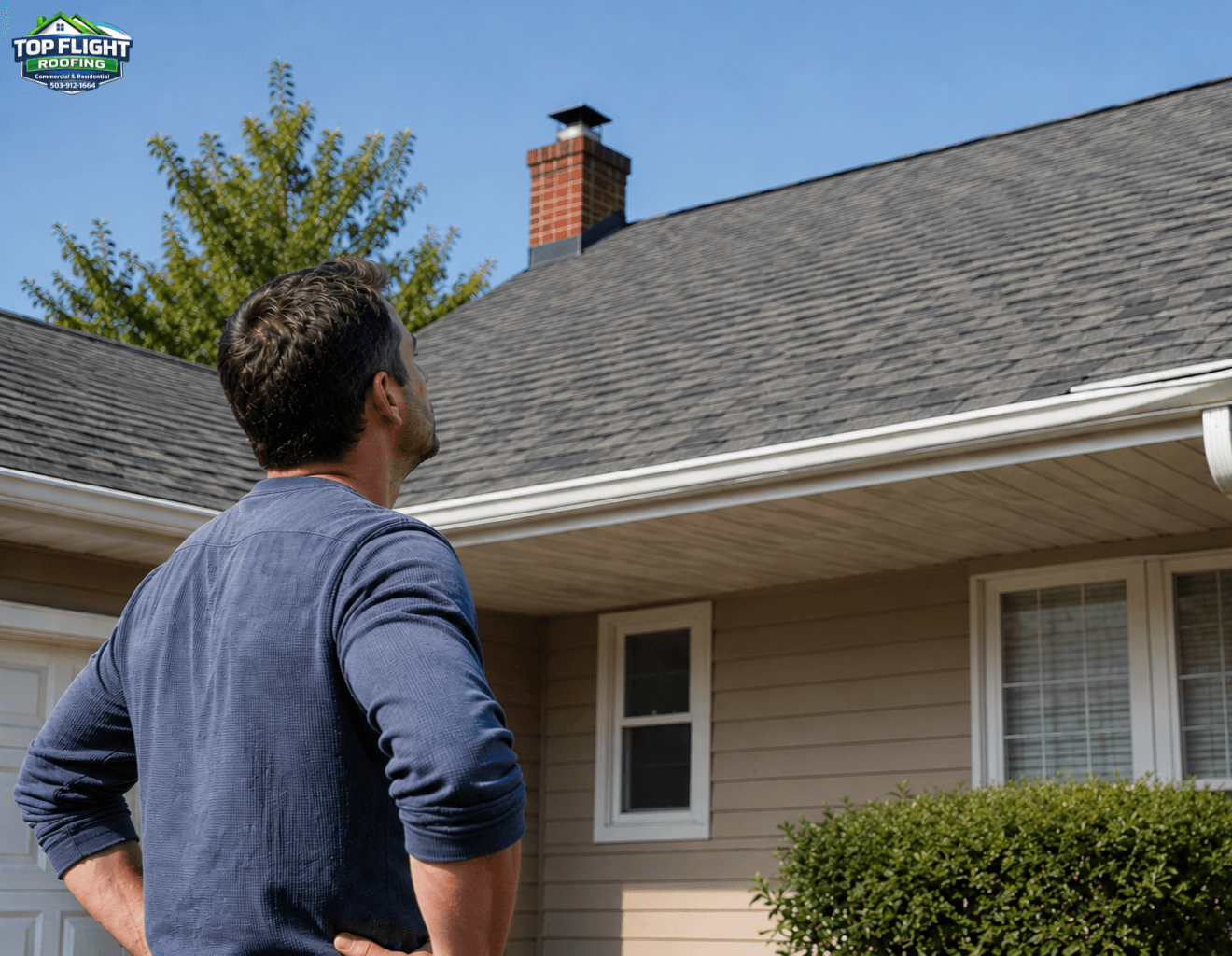
Homeowners should also pay attention after heavy wind, hail, or long periods of rain. Even if the roof looks fine from the ground, hidden damage can develop in areas that are difficult to see without a close inspection. When in doubt, a professional evaluation is the safest choice.
How Roofing Contractors Help Prevent Bigger Problems
Inspection, diagnosis, and prioritization
Experienced roofing contractors do more than patch visible damage. They assess the full roof system, identify the root cause, and help homeowners prioritize repairs that protect both the structure and budget. That approach is especially valuable when there are multiple issues, such as aging shingles, deteriorated flashing, and clogged gutters happening at once.
At Top Flight Roofing LLC, the goal is to provide clear communication and practical solutions, whether the project involves a minor leak or more extensive repair work. If the roof needs a broader system review, our siding installation and repair, and gutter protection guide can also help homeowners understand how exterior components work together to protect the home.
Timely repairs protect long-term value.
A well-maintained roof supports curb appeal, resale value, and buyer confidence. By contrast, visible staining, patchy repairs, or unresolved leaks can reduce a home’s market appeal and create negotiation problems during a sale. This is one reason real estate professionals often recommend roofing inspections before listing a property or making major renovations.
From a practical standpoint, maintaining the roof also helps preserve the lifespan of surrounding systems like insulation, drywall, and framing. The result is a more resilient home with fewer surprise costs. That is the real payoff of timely repair: not just fixing a problem, but preventing a chain of future problems.
Frequently Asked Questions About Delayed Roof Repairs
How do I know if my roof needs repair?
Look for missing or damaged shingles, interior water stains, ceiling discoloration, attic moisture, and increased energy bills. If you can see daylight through the roof deck or notice a persistent musty odor, it is time to schedule an inspection. Even if the issue looks minor, it should be evaluated before the next weather event.
Can I wait if the damage seems small?
It is usually risky to wait. Small damage often becomes larger damage because water follows the path of least resistance and spreads into hidden areas. A quick repair today is almost always less expensive than remediation, structural work, or mold cleanup later.
How often should a roof be inspected?
Most professionals recommend at least once a year, plus after major storms. In regions with frequent rain or heavy tree cover, seasonal inspections can be even more valuable. If you have an older roof or a previous leak history, more frequent checks may be worth the investment.
Protect Your Home Before the Damage Spreads
Take action early and keep records.
The best way to avoid costly roof damage is simple: act early, document everything, and work with a qualified contractor. A quick repair can stop water intrusion, protect structural components, and reduce the chance of mold or energy loss. Waiting rarely saves money; it usually only delays the larger bill.
If you are ready to address a leak, inspect storm damage, or get peace of mind about your roof’s condition, Top Flight Roofing LLC is here to help. For homeowners who want dependable service and clear next steps, our team offers professional evaluations, detailed repair recommendations, and solutions tailored to the home’s needs.
Schedule a professional roof check.
Do not let a small roofing issue become an expensive emergency. If you need help now, explore our roofing installation and repair services, review our inspection guide, or contact Top Flight Roofing LLC at (503) 912-1664 or info@topflightroofingllc.com. When it comes to your roof, prompt action is the best protection you can buy.