How to Spot Premature Roof Aging in Portland Homes
Your roof works tirelessly, but it shouldn't wear out too fast. Curious if your roof is aging prematurely? The answer is often in visible warning signs, weather exposure, and how well it's been maintained. In Portland's wet, windy climate, roofs can quietly wear out sooner than expected. So, being proactive about inspections is key. Need help? Our roofing installation and repair experts can pinpoint what's normal wear and what needs urgent attention.
Understanding roof aging goes beyond just old shingles. It also involves moisture issues, ventilation problems, moss buildup, and damage from storms. According to the National Weather Service, frequent rain and wind can stress building materials, especially when minor issues are ignored. In the Pacific Northwest, this exposure can shorten the lifespan of a solid roof system.
In this guide, you'll learn to recognize early roof aging signs, understand what causes them, compare roofing materials, and know when to schedule an inspection. You'll also find maintenance tips, examples of common Portland issues, and advice on warning signs you shouldn't ignore. Whether you're extending your roof's life or planning a replacement, this info can help protect your home and wallet.
What Premature Roof Aging Really Means
A roof should age gradually, not suddenly.
A normally aging roof shows slow, predictable wear over time. Shingles might lose some granules, flashing might need a touch-up, and sealants might weaken. Premature aging, though, means deterioration appears much sooner than expected due to environmental stress, installation problems, or poor maintenance. So, a roof that should last years may already show significant wear.
In simple terms, premature aging is when a roof starts failing before its material's typical lifespan. For instance, asphalt shingles usually last 15 to 20 years in Portland's climate, while metal roofing can last much longer. If your roof is halfway through its life but has leaks, curling shingles, or moss, it might be aging too fast.
Why climate matters so much
Climate greatly affects roofing. Portland's wet seasons, humidity, and occasional windstorms create perfect conditions for moisture-related wear. Long, damp periods encourage moss growth, softening, and faster granule loss. Wind can lift weak shingles and expose the underlayment. The U.S. Department of Energy states that building envelopes work best with proper moisture control and ventilation since trapped moisture impacts durability and energy efficiency.
That's why a roof in a dry area can last longer than a similar one in the Pacific Northwest. It's not because the material is worse, but because local conditions are tougher. Inspections, moss prevention, and drainage management are crucial for roof longevity.
Warning Signs Your Roof Is Aging Too Fast
Curling, cracking, and missing shingles
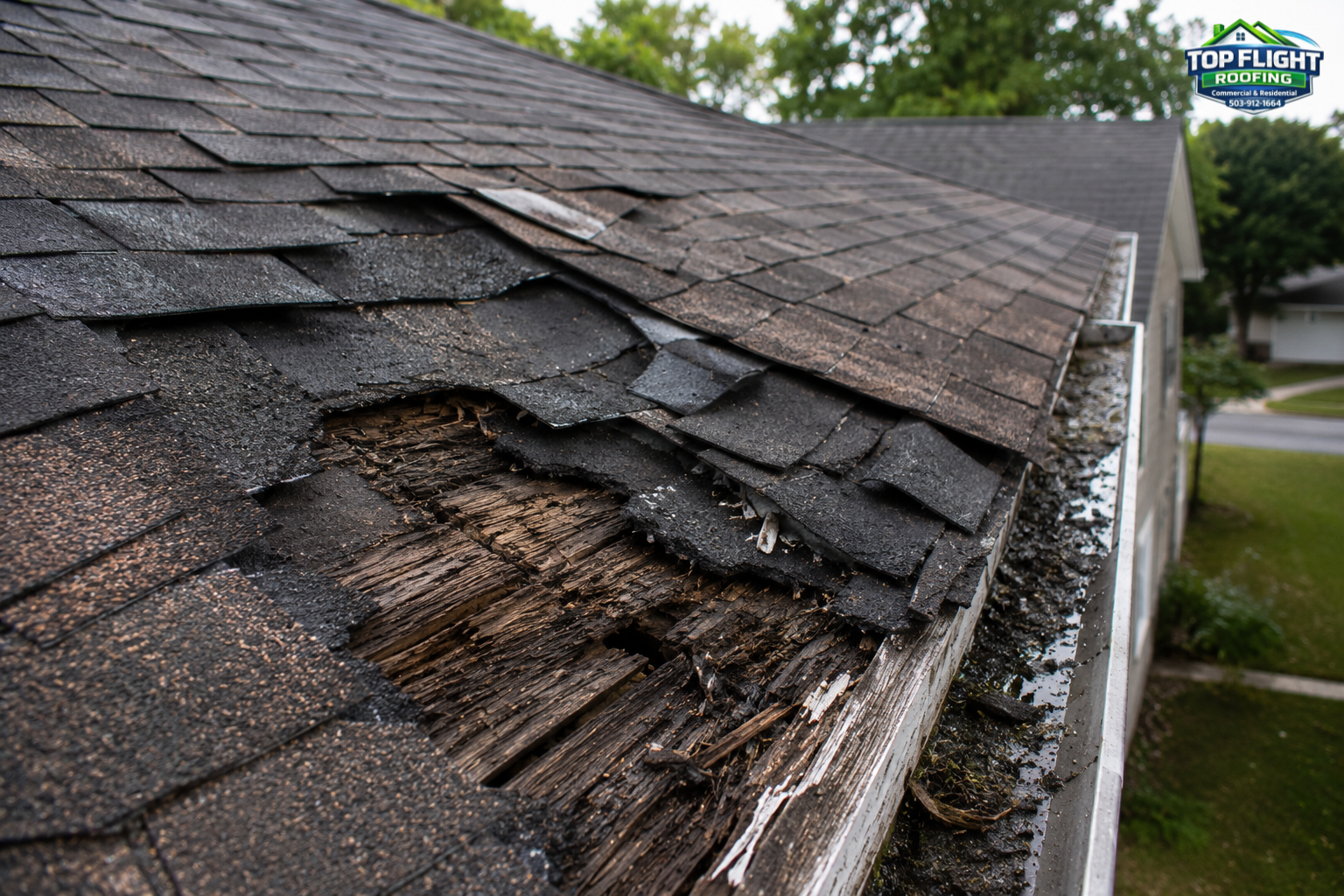
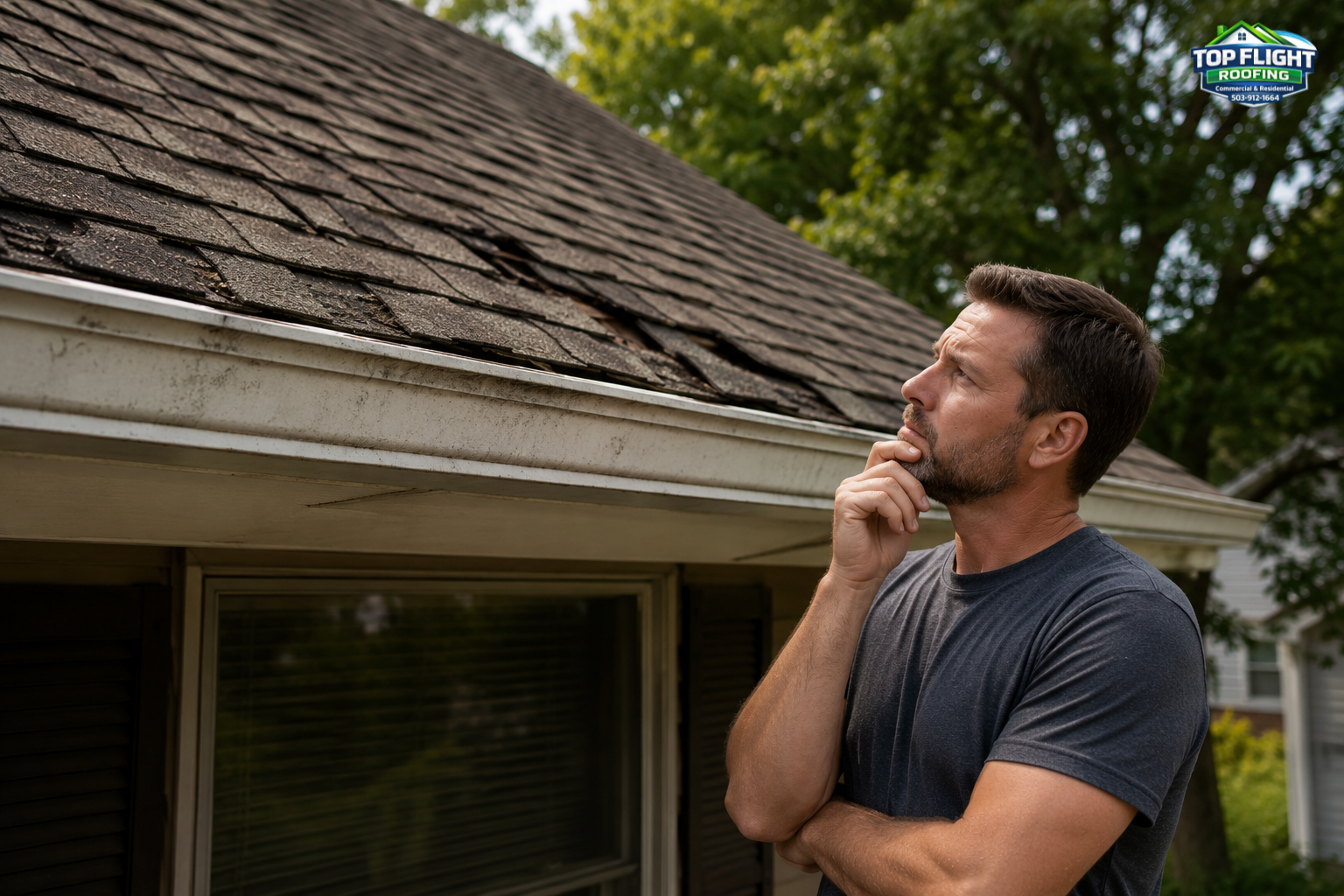
Shingles should be flat and uniform. When they curl at the edges, crack, or slip out of place, it usually means accelerated wear. These issues can happen when shingles face repeated moisture cycles, heat stress, or poor attic ventilation. If the damage is widespread rather than in one area, the roof might be deteriorating faster than expected.
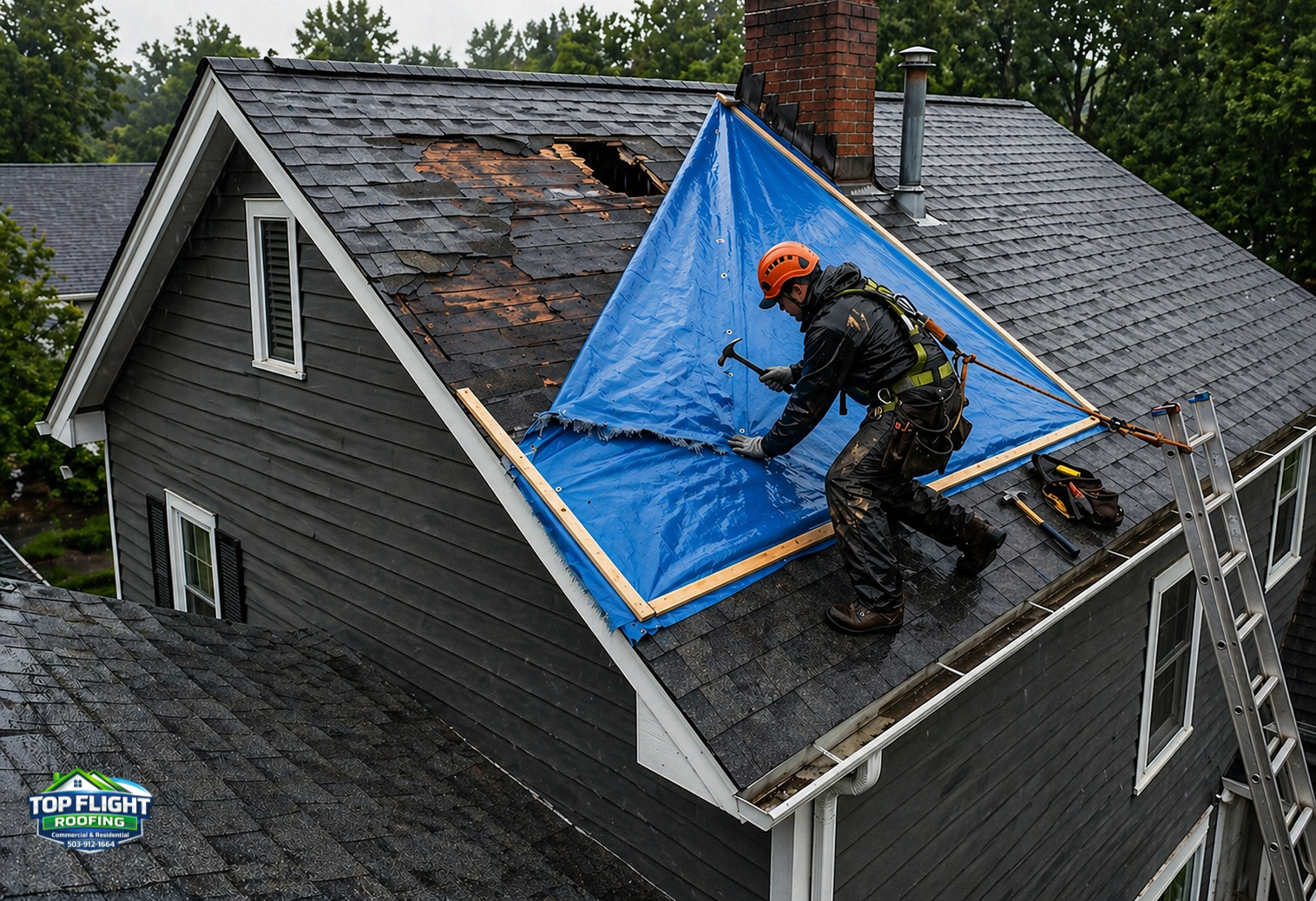
Missing shingles are even more urgent because they expose the roof deck and underlayment to water. Once that protective layer is compromised, small leaks can become big problems. If you notice repeated shingle issues, consider shingle installation and repair rather than waiting for the next storm to cause more damage.
Granule loss and bald spots
Asphalt shingle granules protect against UV exposure and weathering. When these granules start collecting in gutters or downspouts, the shingles lose a vital protection layer. A little granule shedding is normal on a newer roof, but widespread bald spots on an older roof often mean accelerated aging. It's especially concerning if shingles appear brittle or discolored.
Granule loss is a clear sign that a roof is aging too fast. It usually means the shingles are less effective at repelling water and resisting sun damage. Over time, this can lead to leaks, soft spots, and early replacement needs.
Moss, algae, and trapped moisture
Moss is a major issue in damp climates because it traps water against roofing materials. Once moss takes hold, it can lift shingle edges and hold moisture, worsening decay. Portland homeowners often notice moss first on shaded roof parts, north-facing slopes, or areas near trees. Left alone, moss can become more than cosmetic and start to affect the roof's structure.
The U.S. Environmental Protection Agency explains that persistent moisture can support mold and biological growth in materials. On a roof, this means faster wear, possible leaks, and higher long-term damage risk. If moss is widespread, cleaning and prevention should be done carefully to avoid harming the roof surface.
How Portland Weather Accelerates Roof Wear
Rain, humidity, and drainage pressure
In rainy climates, water doesn't just fall on the roof; it sits, runs, pools, and finds vulnerabilities. When gutters are clogged or flashing is loose, water can back up and seep into the roof system. Over time, repeated moisture exposure breaks down shingles, underlayment, and wood components faster than in drier regions.
That's why good drainage is essential. Homeowners often focus on the roof surface, but gutters play a big role in protecting the whole system. If debris causes overflow or water pushes back to the fascia, consider adding gutter screening installation as part of a long-term maintenance plan.
Windstorms and lifting damage
Even occasional windstorms can create significant wear. Strong gusts can lift loose shingles, weaken adhesive seals, and create tiny entry points for rain. Once wind gets under the roofing material, damage can spread quickly. A roof that has survived storms may still show gradual fatigue, even without clear failures.
Wind-related aging is often subtle. Homeowners might not notice until water stains appear indoors or shingles are found in the yard. That's why post-storm checks are crucial, especially after weather events with high gusts or debris.
Tree cover and shade effects
Tree cover can be lovely, but heavy shade often slows drying and encourages moss. Falling leaves and needles can clog gutters and retain moisture on the roof. In neighborhoods with mature trees, roof aging can happen faster where sun and airflow are limited. The issue isn't just the trees; it's the mix of shade, debris, and moisture retention.
For homes with dense canopy coverage, regular trimming and debris removal can make a noticeable difference. A roof that dries quickly after rainfall is less likely to develop biological growth or premature wear.
Roof Lifespan Benchmarks by Material
Asphalt shingles
Asphalt shingles are popular because they're affordable and accessible, but they generally have a shorter life than premium materials. In Portland, they often last 15 to 20 years, though high-quality products and great maintenance can extend that. If your shingle roof is nearing that age and showing warning signs, aging may be happening faster than expected.
Look for curling, cracking, granule loss, and exposed nail heads. These signs suggest the roof is reaching the end of its useful life, even if it still looks good from the street.
Metal roofing
Metal roofs are known for durability, and many can last 45 to 100 years. They resist moss better than asphalt and often perform well in wet climates, but they're not maintenance-free. Fasteners, seams, flashing, and coating integrity still need regular checks. A well-installed metal roof can age slowly, but a poorly installed one can fail early.
Because of their long life, metal roofs are often a strong choice for those who want fewer replacements. Still, inspections are important, especially around penetrations and transitions where leaks start.
Flat and low-slope systems
Flat roofing systems need excellent drainage because water doesn't shed quickly like on pitched roofs. If a flat roof holds water too long, membranes can blister, seams can separate, and aging can speed up. These systems depend heavily on proper installation and periodic maintenance. If you own a property with a low-slope roof, understanding drainage and membrane health is critical.
Material choice matters, but so does the quality of the supporting layers. Our roofing insulation services can improve thermal performance and support a healthy roof assembly, especially with proper ventilation and moisture control.
Inspection Habits That Prevent Costly Surprises
How often should you inspect a roof?
Roof experts recommend professional inspections every two to three years for roofs 10 to 15 years old and annually for roofs over 15 years old. This advice is even more important in wet climates, where aging can happen quietly. The sooner you spot a problem, the more likely you are to fix it with a targeted repair instead of a major restoration.
The National Association of Home Builders offers guidance on building components and maintenance planning that support long-term home performance. A planned inspection schedule is one of the simplest ways to protect your investment and reduce surprise expenses.
What professionals look for
Thorough inspections include checking shingles, flashing, chimney surrounds, skylights, gutters, attic ventilation, and visible deck movement signs. Professionals also look for sagging, staining, soft spots, and uneven aging. These details matter because many roof failures start in small transitions that homeowners rarely inspect closely.
If your home has recurring leaks or patches that reappear after every rainy season, a broader roof system evaluation may be necessary. Sometimes, the problem isn't just one damaged area but a pattern of aging tied to ventilation, moisture, or installation quality.
Why attic checks matter too
The attic is often the first place where roof aging becomes obvious from the inside. Look for damp insulation, discoloration, daylight peeking through roof boards, musty odors, or rust on fasteners. These symptoms can reveal a ventilation imbalance or hidden leaks long before ceiling damage is visible. An attic check should be part of any seasonal home maintenance routine.
Improving attic airflow can also slow roof deterioration. When heat and moisture escape properly, roofing materials are less likely to experience premature fatigue from condensation and trapped humidity.
Maintenance Steps That Extend Roof Life
Keep the surface clean and dry.
Roof maintenance should focus on removing debris, controlling moss, and keeping drainage paths clear. Leaves, branches, and dirt can trap moisture against the surface, creating ideal decay conditions. A clean roof dries faster after rain, preserving shingle integrity and reducing biological growth. Regular cleaning is especially important in shady or tree-heavy areas.
For those who want a broader maintenance strategy, combining roof care with siding installation and repair can improve the entire exterior's performance. When the roof, siding, and drainage systems work together, the home becomes much more resilient.
Address small repairs quickly
One of the biggest causes of premature aging is delay. A tiny leak can soak the underlayment, rot the decking, and weaken nearby shingles. A minor flashing issue can become a larger structural concern if ignored for a season or two. Timely repairs usually cost less than letting damage spread.
For a deeper look at how small issues become major expenses, our article on the real cost of waiting on roof repairs explains why quick action is vital. The key lesson is simple: roof problems rarely stay small on their own.
Improve ventilation and moisture control.
Roof ventilation is often overlooked in roof longevity. Poor airflow can trap heat in summer and moisture in winter, both of which can shorten material life. Balanced intake and exhaust ventilation help the roof assembly breathe, reducing condensation and protecting decking and insulation. If your attic feels excessively warm or damp, ventilation should be evaluated.
In many homes, ventilation upgrades are paired with insulation improvements because the two systems affect each other. When moisture and temperature are better controlled, the roof can age more slowly and perform more consistently over time.
When Aging Looks Normal but Is Actually a Problem
Cosmetic wear versus structural concern
Not every aging sign means your roof is failing, but it's important to know the difference. Slight fading, mild granule loss, and small amounts of surface wear can be expected as materials age. However, when those cosmetic changes appear alongside leaks, curled edges, sagging, or repeated patch repairs, the issue becomes more serious. The challenge is that exterior wear often looks minor until it spreads.
A good rule of thumb is to compare the roof's age with its condition. If a relatively young roof shows several advanced warning signs, that's a stronger signal of premature aging than a much older roof with only minimal wear.
Repair history matters
Repeated repairs in the same locations often signal deeper aging or installation issues. A roof needing patchwork around the same valley, vent, or chimney may have a recurring moisture pathway. Over time, recurring repairs can indicate that replacement is more practical than continued fixing. Keeping notes after each inspection or service visit helps reveal patterns and make informed decisions.
Energy bills can tell a story.
Sometimes the signs aren't visible from the street. If your heating and cooling costs are rising, roof aging and insulation issues might be part of the explanation. Damaged roofing assemblies can let conditioned air escape or allow attic temperatures to swing more dramatically. That doesn't always mean the roof itself is failing, but it does mean the system isn't performing as it should.
For those trying to improve comfort and efficiency, it may help to review related guidance on roofing materials and indoor temperature. The roof does more than keep out rain; it also affects the home's overall performance.
Real-World Portland Examples and Common Scenarios
Moss-covered roofs in shaded neighborhoods
Many Portland homeowners see moss growth in neighborhoods with large trees and limited direct sunlight. The roof may still be watertight, but the moss gradually lifts shingle edges and holds moisture in place. Over a few seasons, what began as a cosmetic issue can lead to granule loss, leaks, and shortened roof life. Regular cleaning and pruning can prevent a lot of that damage.
We've seen cases where a roof looked acceptable from the ground but was already failing in shaded valleys and along the north side. That kind of localized damage is a classic example of a roof aging unevenly because of climate exposure.
Homes with neglected gutters
Another common scenario involves clogged gutters. When water overflows, it can soak fascia boards, back up under shingles, and create staining along the roof edge. Over time, the water path weakens surrounding materials and speeds up aging. This problem is especially common in the fall when leaves and debris build up quickly.
Preventing overflow with regular maintenance or gutter screening installation can greatly reduce the chances of edge rot and moisture-related deterioration. A small investment in drainage protection can protect the entire roof system.
Older roofs with repeated patch repairs
Some roofs survive for years because of repeated patching, but patchwork alone doesn't restore aging materials. If multiple areas are repaired every season, the roof may already be beyond the point where maintenance is enough. In those cases, a full evaluation of the roof system is the smartest next step. It's better to make that decision based on evidence than to wait for an emergency.
Professional guidance can help determine whether a roof still has usable life left or whether replacement planning should begin now. For homeowners comparing options, our roof lifespan and replacement planning guide offers a useful starting point.
FAQs About Premature Roof Aging
How can I tell if my roof is aging too quickly?
Look for curling shingles, bald spots, missing shingles, moss growth, sagging areas, water stains inside the home, and repeated repairs in the same locations. If these signs appear earlier than expected for your roofing material, your roof may be aging faster than it should. A professional inspection is the best way to confirm the cause.
How often should I inspect my roof?
A good baseline is every two to three years for roofs between 10 and 15 years old and annually for roofs older than 15 years. You should also check your roof after major windstorms, heavy rain periods, or visible debris accumulation. Seasonal awareness can prevent hidden damage from turning into a major repair.
What maintenance helps extend roof life the most?
Keep gutters clear, remove debris, control moss, trim nearby branches, inspect flashing, and address small leaks quickly. Ventilation and attic moisture control also make a major difference. When roof system components work together, the roof typically lasts longer and performs better.
When should I call a professional?
Call a roofing professional if you see widespread shingle damage, active leaks, sagging, repeated moss problems, or a roof that looks worn well before its expected lifespan. If you are unsure whether the roof needs repair or replacement, a trained inspection can save time and money. For dependable help, our roofing installation and repair services are designed to identify issues early and recommend the right solution.
Protect Your Roof Before Aging Becomes Damage
Premature roof aging usually gives homeowners plenty of warning if they know what to look for. Curling shingles, granule loss, moss growth, ventilation issues, and recurring leaks are all signs that the roof may be wearing out faster than it should. In Portland's climate, these signs can appear sooner than many homeowners expect, which makes regular inspection and maintenance especially important.
If you want to keep your roof performing as long as possible, the best strategy is simple: inspect it regularly, fix small issues early, and use the right materials and drainage solutions for your home. If you suspect your roof is aging too fast, Top Flight Roofing LLC is here to help with honest evaluations, clean workmanship, and solutions tailored to local conditions. Contact us to schedule a consultation and protect your home before minor wear becomes major damage.